 Debby Wijaya
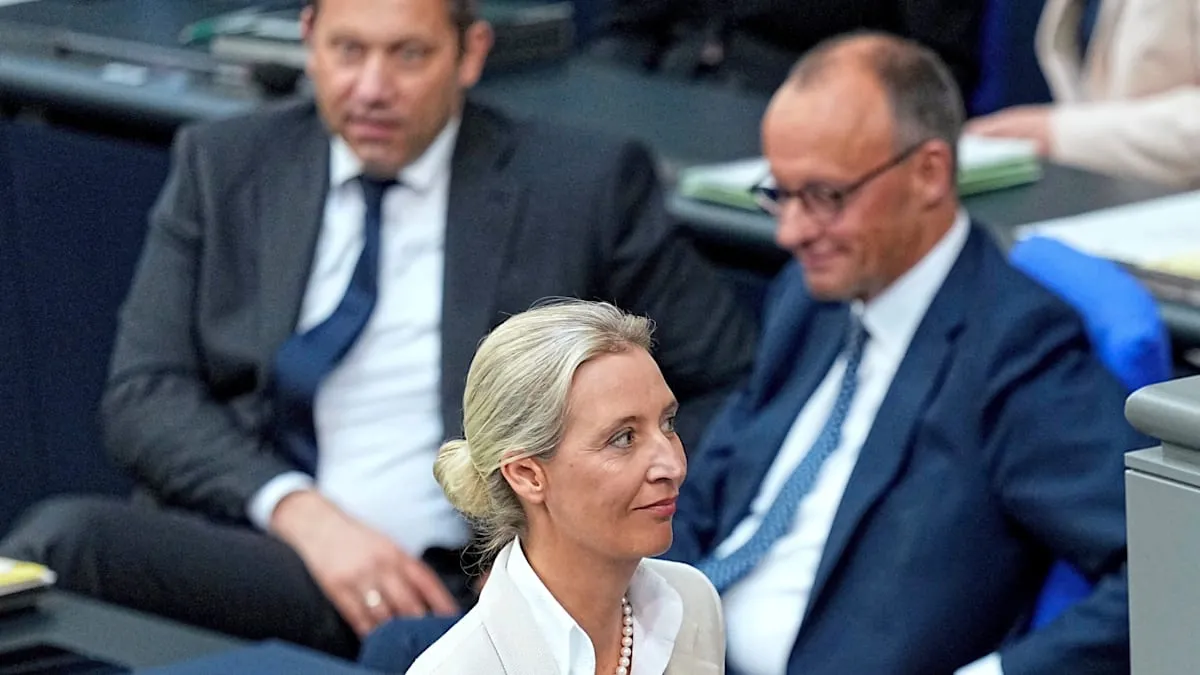
BERLIN — The Alternative for Germany (AfD) party has once again solidified its position as an undeniable political force, even surpassing the Christian Union bloc (CDU/CSU) in the latest "Sonntagstrend" poll released by the Insa institute. Data recorded in 2026 indicates that the AfD successfully garnered 29 percent of public support, leading by a significant eight percentage points over the CDU/CSU, which only reached 21 percent.
This surge in AfD's electability signifies a substantial shift in Germany's political configuration. For some time, this right-wing party has shown a consistent upward trend, challenging the hegemony of traditional parties that have dominated the national political stage for decades.
Meanwhile, the parties within the current governing coalition, the Social Democratic Party (SPD) and the Greens, recorded slight increases in support. However, their gains are still far from being able to match the appeal of the AfD or even the Christian Union. This situation reveals new and complex dynamics ahead of the next federal election.
The decline in support for the CDU/CSU raises serious questions regarding their strategy and appeal within German society. This historically central governing party faces the challenge of regaining voter trust in the face of new narratives presented by the AfD. Economic issues, immigration policies, and energy policy are often sharp points of contention.
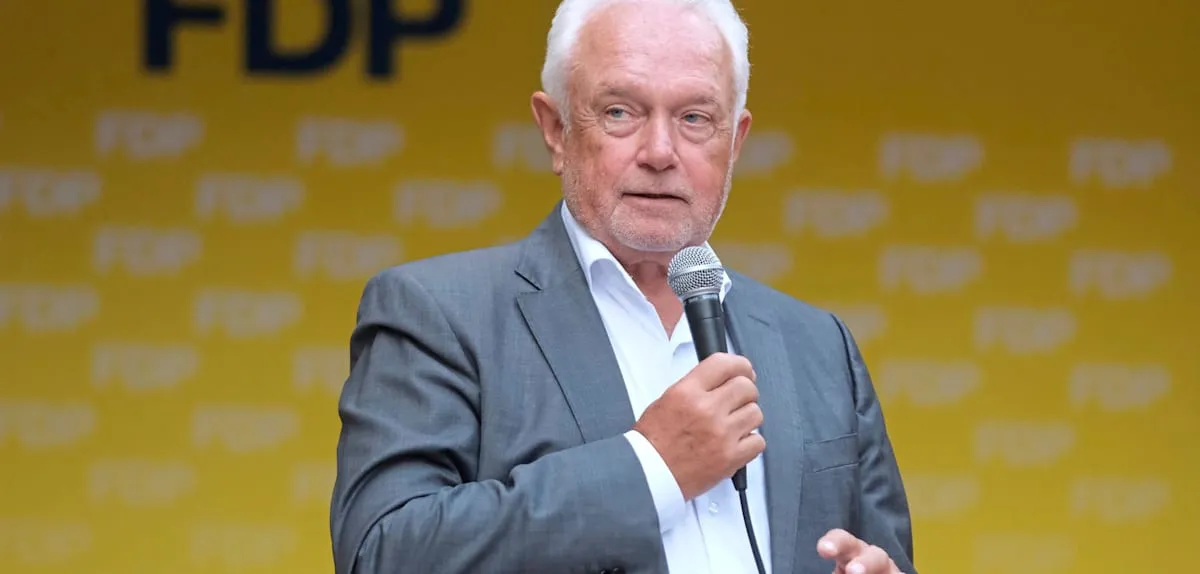
Other parties, such as Bündnis Sahra Wagenknecht (BSW) and the Free Democratic Party (FDP), continue to struggle below the five-percent parliamentary threshold. This situation underscores the increasingly deep political fragmentation, where only a few major parties can secure seats in the Bundestag, unless there are drastic changes in voter preferences.
Political analysts in Berlin observe that the AfD's rise is attributable to various factors, including public concerns over inflation, the ongoing energy crisis, and waves of immigration. "Dissatisfaction with the coalition government appears to be accumulating, and the AfD has successfully captured this sentiment with more assertive rhetoric," stated a political observer from Humboldt University.
The volatile political situation in Germany is not a new phenomenon. Previously, our reports also discussed how German politics was turbulent and the AfD took a decisive lead, threatening the centrist coalition. This indicates that the AfD's upward trend was detected much earlier.
This shift in political preference also fuels intense debate about national identity and Germany's future direction within European and global contexts. The AfD often promotes a more conservative and Euroskeptic agenda, which resonates with certain segments of society.
The big question now is how established parties will respond. Will they try to win back voters through more populist policies, or will they adhere to more traditional centrist principles? This challenge is further complicated by discussions surrounding the ban on AfD supporters in some Berlin cafes, which highlights social polarization.
This situation has the potential to redraw the coalition map for the upcoming elections. A scenario of a government without the AfD becomes increasingly difficult to achieve if this support trend continues, forcing other parties to seek innovative solutions for forming a stable government.
On a broader scale, the AfD's strength also reflects the condition of Europe, often described as weak in several areas. As previously reviewed in our article on Karp Palantir revealing a weak Europe and a strong AfD as a reflection.
The rise of the AfD, coupled with the difficulties traditional parties face in maintaining their support base, signals a new era in German politics in 2026. These Insa poll results serve as a stark warning to the mainstream political spectrum to re-evaluate their approaches to remain relevant to voters.