 Stefani Rindus
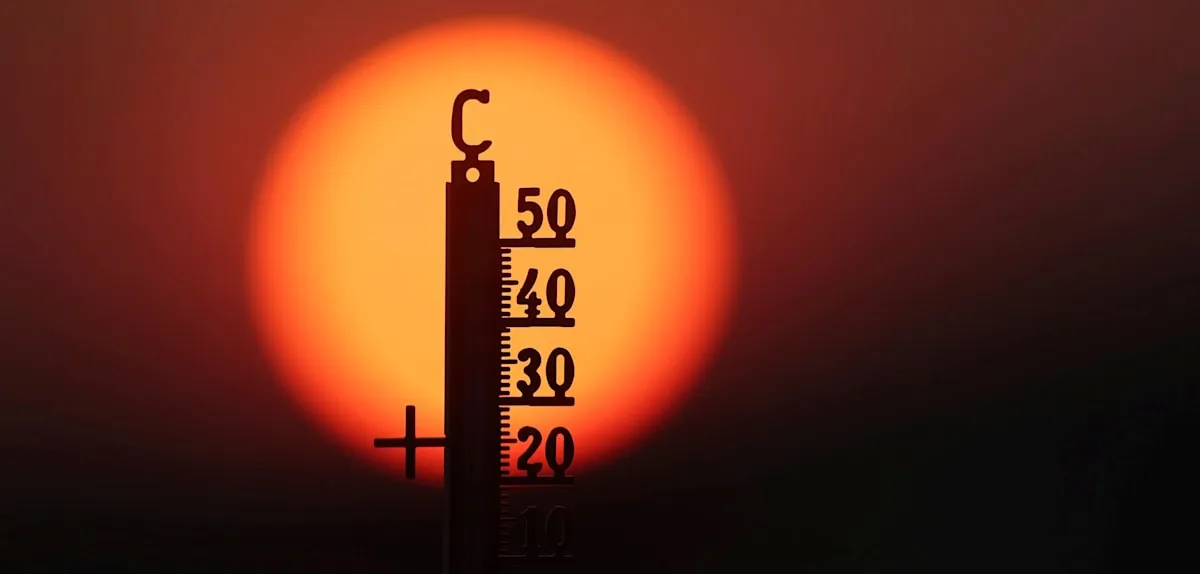
BERLIN — Germany is bracing for its third extreme heatwave of 2026, with temperatures projected to soar up to 35 degrees Celsius across various regions this weekend. This phenomenon, triggered by a 'heat dome' stretching over Western Europe, brings with it serious environmental threats, including the potential for severe drought and a significant increase in forest fire risk.
Meteorologists have issued early warnings, urging German citizens to be vigilant about these health-threatening weather conditions. Heatwaves are no longer anomalous events but an increasingly frequent pattern, testing infrastructure resilience and public awareness of climate change.
The heat dome, a static high-pressure system, traps hot air near the earth's surface, creating prolonged stifling and dry conditions. This mechanism is the primary culprit behind the series of high temperatures that have affected Germany, and indeed much of the European continent, since the beginning of summer 2026.
Several regions are expected to experience the most intense impact of this heatwave. Areas in southwestern and southern Germany, historically more vulnerable to extreme temperature fluctuations, are predicted to be the hottest spots. Both major cities and rural areas must prepare for challenges in water supply and public health.
Drought is now a central concern. Many rivers and reservoirs in Germany have already shown alarming drops in water levels following the two previous heatwaves. This third wave is expected to exacerbate these conditions, potentially disrupting freshwater ecosystems and drinking water supplies.
Furthermore, the risk of forest fires has sharply increased. Parched vegetation, a result of prolonged heat, becomes perfect fuel for fires. Local authorities have elevated their alert status, especially in densely forested areas and extensive agricultural lands, issuing strong advisories against activities that could spark flames. Incidents like the devastating forest fires in Andalusia serve as a tragic reminder of the lurking dangers.
The German federal government, through the Ministry of Environment, urged all citizens to limit outdoor activities during peak daytime hours, ensure optimal hydration, and look out for vulnerable neighbors, especially the elderly and children. Preventive measures are crucial to minimize health and environmental impacts.
Professor Klaus Richter, a prominent climatologist from the University of Potsdam, stated, “The frequency of heatwaves we are witnessing in 2026 is a tangible manifestation of global climate change trends. We are not just facing high temperatures, but also systemic consequences affecting agriculture, energy, and public health.”
The management of heatwaves has also become a critical policy agenda. Discussions about more climate-resilient urban infrastructure and disaster mitigation strategies are gaining prominence. Local governments are urged to activate emergency plans and ensure the availability of public cooling facilities if needed.
There are even concerns that extreme temperatures could fuel social tensions, as seen during the 2026 heatwave violence in European swimming pools. Therefore, proactive steps from the government and public awareness are essential to maintain public order.
This situation adds urgency to global environmental commitments. Warnings such as the 50th anniversary of Seveso emphasizing the importance of environmental commitment, are increasingly relevant amidst a tangible climate crisis.
All of Germany is now focusing on the issued weather warnings, hoping that the worst impacts of this third heatwave can be minimized through collective preparation and vigilance. The climate crisis demands a coordinated and sustained response from all parties.