 Demian Sahputra

Germany — Germany currently faces a severe and prolonged drought in 2026, prompting urgent calls for drastic mitigation measures from experts. Prominent hydrologist Andreas Marx demands that the government immediately implement a nationwide groundwater monitoring system. This step is crucial to ensure the country's readiness to cope with ongoing rainfall deficits and the threat of a more severe water crisis in the future.
Berlin — Minimal rainfall and continuous dry periods have plunged Germany into an alarming drought phase. This phenomenon not only impacts agriculture but also affects drinking water supplies and the entire ecosystem. Andreas Marx, an internationally renowned hydrology expert, highlights the urgency of comprehensively understanding groundwater dynamics across all federal states.
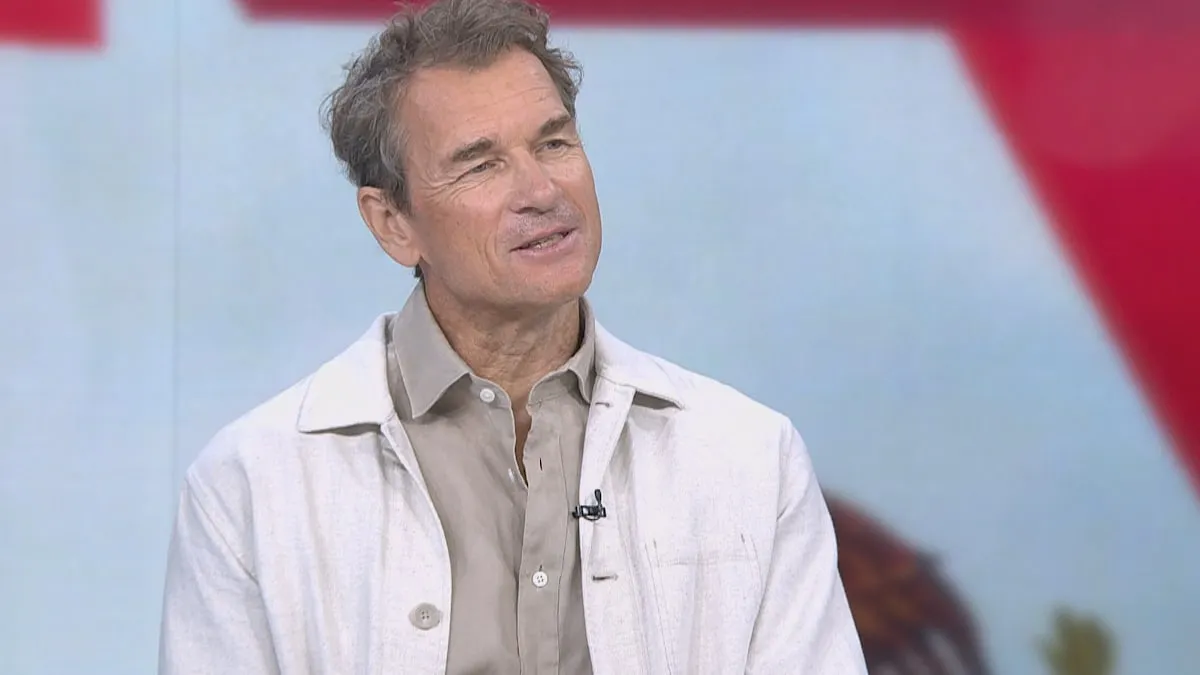
According to Marx, the absence of integrated and real-time data on groundwater availability and extraction is a vital gap in water resource management strategies. "We need to know who is taking water from where and how much," Marx emphasized in a recent interview. "Without comprehensive monitoring, we are operating in the dark, unable to make informed decisions for the future."
The proposed monitoring system would include a network of advanced sensors and a centralized data platform capable of providing accurate information on groundwater levels, absorption rates, and consumption in various locations. This data would then form the basis for effective adaptation and mitigation policies.
Environmental experts and climate scientists have long warned about the potential increase in the frequency and intensity of droughts due to global climate change. Germany, known for its robust infrastructure and meticulous planning, is now confronted with a new reality that demands innovative responses.
Droughts in recent years have exposed vulnerabilities in Germany's water systems. Major rivers like the Rhine have experienced significant drops in water levels, disrupting shipping routes and aquatic ecosystems. Forests are also suffering, with many trees showing signs of severe water stress.
The German government, through the Ministry of Environment, has indeed initiated several research projects and climate adaptation programs. However, Marx's call emphasizes that existing approaches are not comprehensive enough for the scale of the threat faced.
The economic impact of drought cannot be underestimated. The agricultural sector suffers substantial losses due to crop failures, while water-dependent industries also face threats. This necessitates a coordinated, cross-sectoral response.
Policymakers are now faced with a dilemma between short-term economic needs and long-term environmental sustainability. Strict groundwater monitoring could spark debate over water usage rights, particularly between industrial, agricultural, and household interests.
Initiatives like those proposed by Marx also align with global discussions on water security. Many developed nations are investing heavily in water monitoring and management technologies to address climate challenges.
With solid data from a monitoring system, federal and state governments can design fairer and more efficient regulations regarding water allocation. This also allows for the identification of the most vulnerable areas and the development of specific solutions, such as water-saving irrigation systems or desalination technology if required.
Marx's appeal adds urgency to the national discussion on Germany's future water strategy, a topic also touched upon in the article "Germany Threatened by Serious Water Conflict: Minister Urges Urgent Mitigation". Without swift action, Germany risks experiencing water conflicts that could slow economic growth and threaten the well-being of its citizens.
The German Federal Government is expected to respond seriously to these demands. Integrating digital technology to monitor natural resources is an unavoidable proactive step in facing climate change.
This comprehensive oversight is expected not only to provide a snapshot of current groundwater situations but also to predict future trends, enabling more strategic and responsive planning. It represents a long-term investment in Germany's environmental and economic sustainability.