 Dorry Archiles
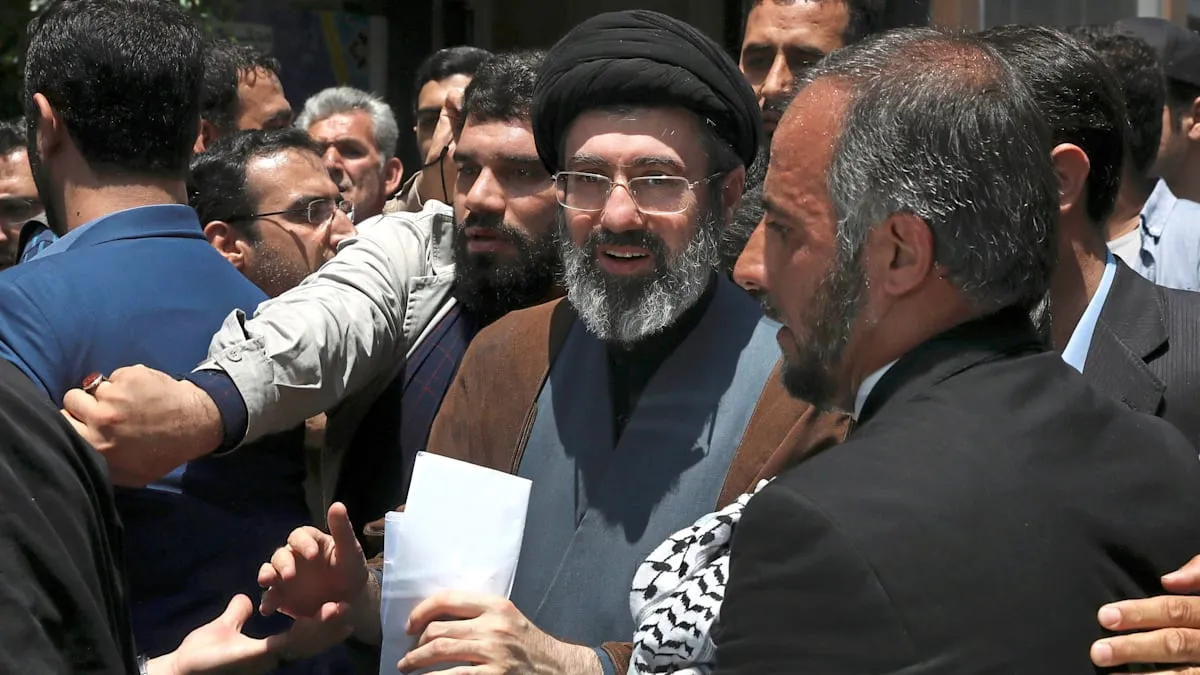
Tehran — Tensions in the Middle East reached a new boiling point in early 2026 after Iran's Supreme Leader, Ayatollah Ali Khamenei, explicitly threatened the United States with “unforgettable lessons.” This provocative statement followed a series of retaliatory airstrikes launched by the US military against positions of the Iranian Revolutionary Guard.
This dramatic escalation began when US forces in Jordan suffered an attack that killed two of its soldiers. Washington responded by launching intensive military operations, targeting a number of positions identified as belonging to the Iranian Revolutionary Guard, an influential paramilitary group in the Islamic Republic.
These US retaliatory strikes, carried out over the past few days, were aimed at punishing those responsible for the deaths of its military personnel. The Pentagon affirmed that these actions were a proportional and defensive response, intended to deter further aggression in the region.
However, in Iran's view, the US actions are seen as a direct aggression against their sovereignty. Ayatollah Ali Khamenei, in a televised national address, delivered a stern message to Washington.
“They think they can attack our territory and kill our people without consequences. They are greatly mistaken. We will give Washington an unforgettable lesson for this crime,” Khamenei stated, highlighting Tehran's deep anger over the US military intervention.
Khamenei's threat echoes sentiments previously expressed by senior Iranian officials, such as when Tehran froze agreements with the US after similar incidents. This situation is reminiscent of our previous news headline, such as "Tehran Freezes US Deal, Two Soldiers Dead: Middle East Boils Again!", which illustrates the fragility of peace in the region.
Geopolitical analysts view these developments with deep concern. Professor Hamid Reza Shahani, an international relations expert from Tehran University, stated, “Such a chain of retaliatory actions creates an escalatory spiral that is difficult to stop. Both sides must exercise restraint, or the region will plunge into a larger conflict.”
Iran's Revolutionary Guard, or Pasdaran, is the backbone of Iran's defense and holds significant influence across the Middle East, supporting various proxy groups. Direct attacks on their positions are considered a serious provocation that could trigger a wider military response.
The international community calls on all parties to exercise restraint. The UN Secretary-General urged immediate dialogue and de-escalation, emphasizing the danger of further destabilization for an already volatile region. However, these calls do not yet appear to have eased tensions on the ground.
The incident of the attack on the US base in Jordan that killed two soldiers adds to a long list of provocations that have occurred throughout 2025 and early 2026. The US accuses Iran-backed militias of being behind the attack, a claim consistently denied by Tehran.
This simmering conflict between the US and Iran has the potential for global impact, not only on world oil prices but also on international political stability. This condition is similar to what was described in the article "Middle East on Fire: US Base Attacked, Global Conflict Escalation Threatens?", which highlights the risk of widespread conflict.
With the strong statement from Ayatollah Khamenei, the future of relations between Washington and Tehran, as well as the stability of the Middle East region, now stands at a very dangerous crossroads. The world waits to see whether this harsh rhetoric will lead to greater military action or if a diplomatic path can still be opened.