 Dodi Irawan
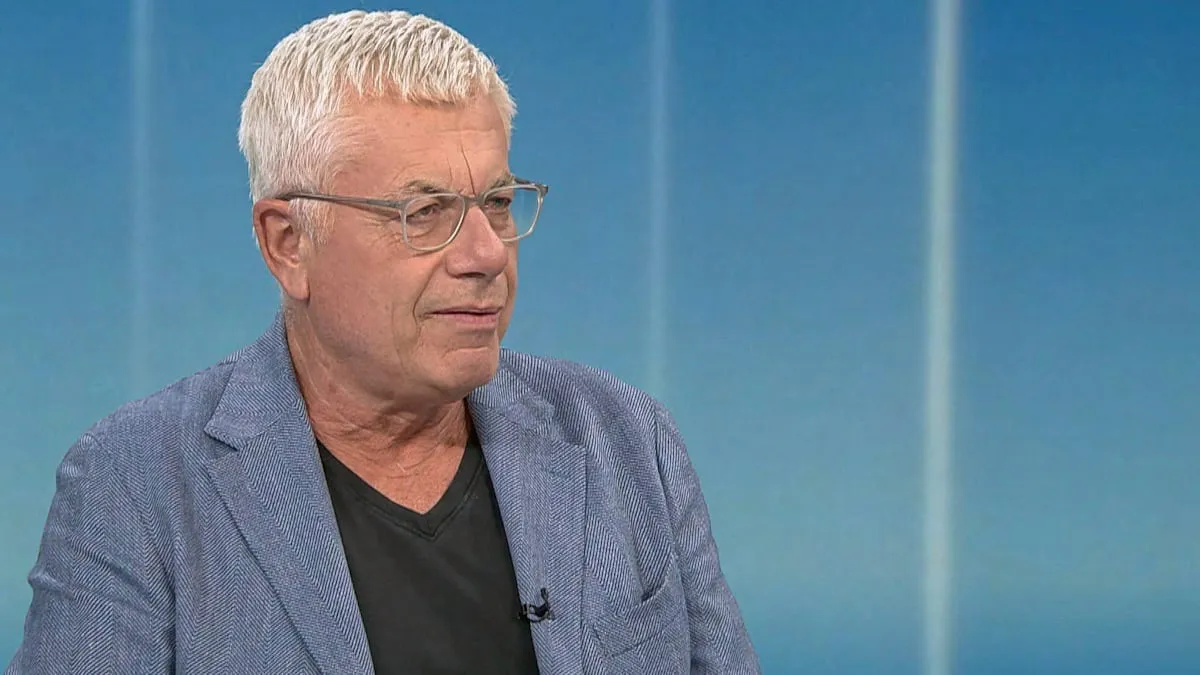
BERLIN – Germany's Social Democratic Party (SPD) confronts an existential crisis following surprising election results, fueling grave concerns about its survival as a dominant political force and the stability of the ruling coalition. Prominent political analyst Reinhard Mohr asserted that the party was 'completely shocked' by the Alternative for Germany (AfD)'s electoral gains, a surge now placing the SPD in a 'final struggle for its survival'.
The political landscape in Germany has become increasingly turbulent amid mounting pressure on the ruling coalition. The AfD's significant electoral gains, particularly in regional elections like those in Sachsen-Anhalt, have dramatically reshaped the political scene. Mohr even suggests that the coalition between the Union (CDU/CSU) and the SPD is on the brink of collapse, a scenario that could trigger a power vacuum.
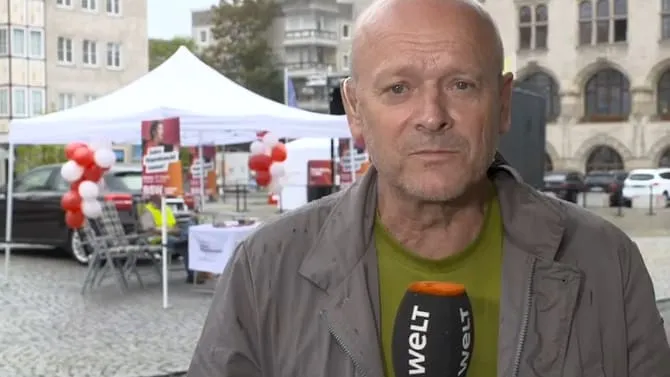
The SPD allowed itself to be completely shocked by this AfD election result, criticized Reinhard Mohr, a senior journalist observing German political dynamics. I believe that the SPD is now in a final struggle for its survival. These comments reflect deep apprehension among observers regarding the political direction of Europe's largest economy.
This crisis is not merely a typical electoral tremor; it indicates a fundamental shift in German voter preferences. Many believe the SPD's failure to address crucial issues such as inflation, energy policy, and immigration challenges has eroded public trust. Society is seeking alternatives amidst global and domestic uncertainties.
The impact of the weakening SPD resonates to the very heart of the federal government in Berlin. The coalition, originally formed on principles of compromise and stability, is now being tested by internal fractures and external pressures. The potential failure of the government has become a critical issue dominating political discussions in Parliament and the media.
This upheaval also harks back to previous election dynamics. For instance, the Sachsen-Anhalt election results in 2026, which significantly hit the CDU and benefited the AfD, shook Germany's political foundations. The SPD, as part of the federal coalition, also felt the repercussions of increasingly strong anti-establishment sentiment.
Political figures from other parties are also starting to voice concerns. Despite historical rivalries, many recognize that instability in one of the major parties can affect the entire German parliamentary democratic system. Questions regarding party reform and long-term strategies have become highly pertinent.
Some circles advocate for the SPD to undertake deep introspection, review their policy platform, and strengthen communication with grassroots voters. Without significant changes, the prospect of recovering from this downturn appears increasingly challenging.
The future of the Union-SPD coalition remains a central point of speculation. Will they endure until the end of their term, or will this crisis force an early general election? The answer to this question will largely determine Germany's political direction in the coming years, with far-reaching implications for the European Union and the global stage.
Editorial Insight: The SPD's situation reflects a broader trend across Europe, where established parties face severe challenges from populist movements. The AfD's success is not merely about local issues but also a response to global dissatisfaction with liberal policies and globalization. The SPD's failure to adapt or offer a compelling vision could lead to a radical restructuring of Germany's political map, marking a new era of uncertainty and change.