 Debby Wijaya
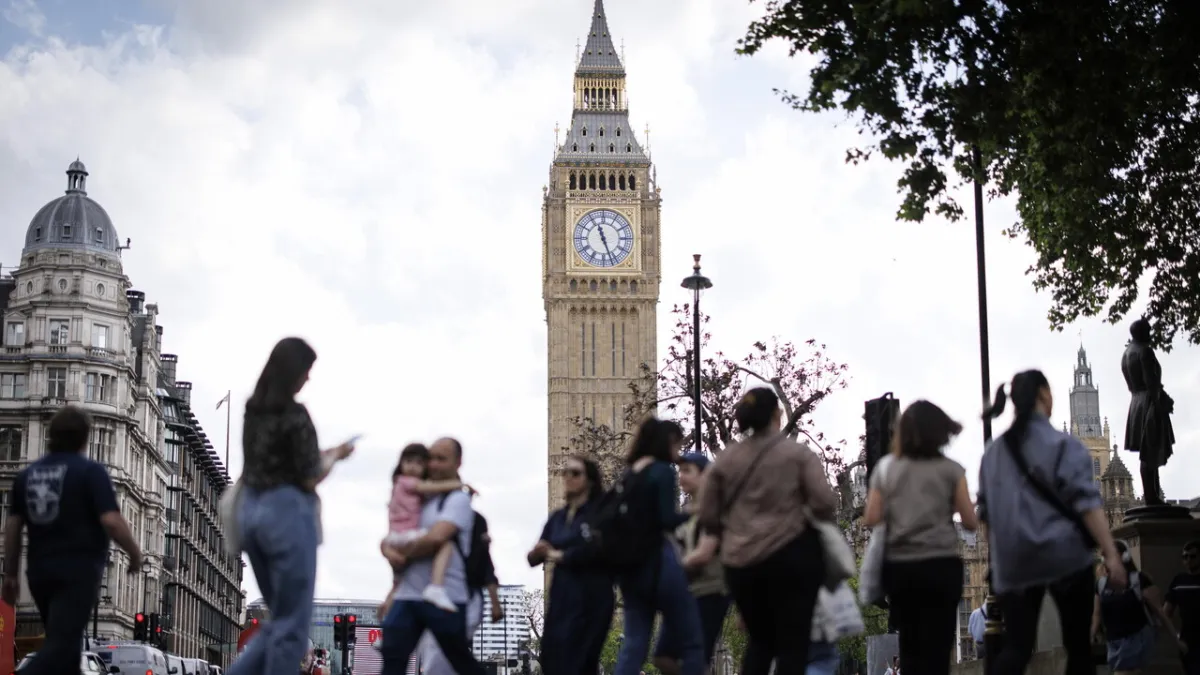
LONDON – Inflation in the United Kingdom soared to 2.9% in July 2026, a significant increase from 2.6% the previous month. This surge is directly attributed to the escalating war in the Gulf involving Iran.
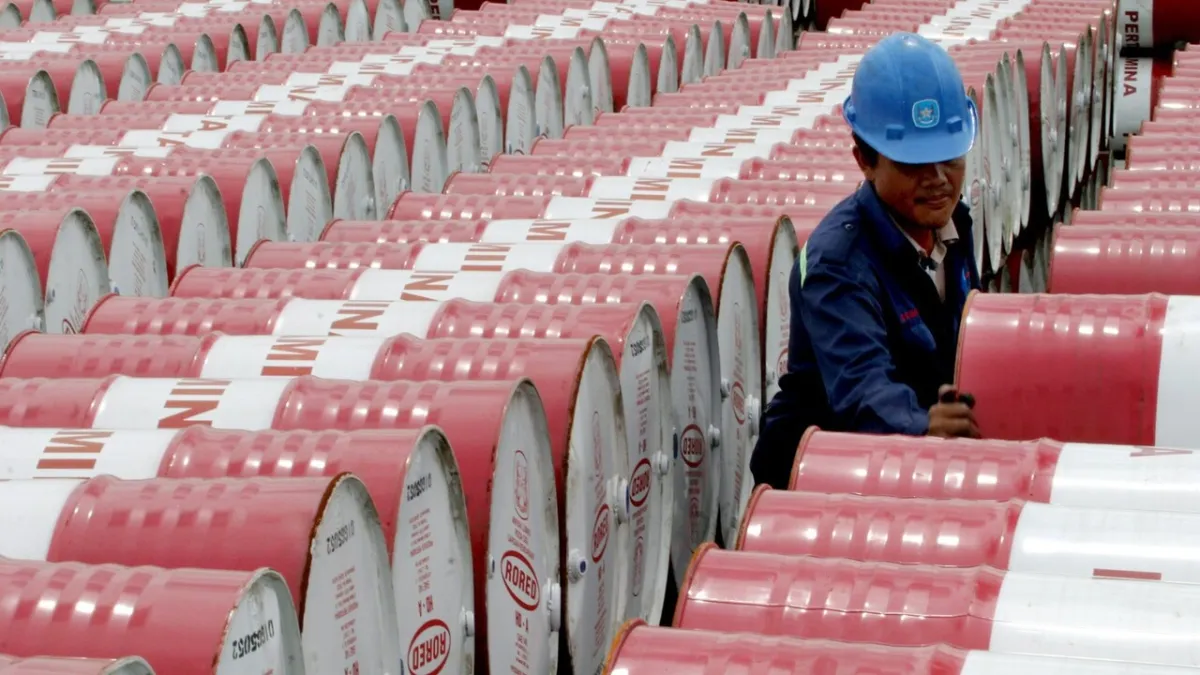
Rising energy prices acted as the primary driver behind this worrying inflation figure, placing severe pressure on consumer purchasing power and the UKs economic outlook amidst global geopolitical uncertainty.
This sharp rise indicates the direct impact of geopolitical tensions on economic stability. The ongoing conflict in the Middle East, particularly with Iran, has triggered volatility in international oil and gas prices. The United Kingdom, as an energy importer, is highly vulnerable to supply shocks and increases in the cost of these vital commodities.
Data released by the UKs Office for National Statistics (ONS) reveals that the energy sector was the largest contributor to the inflation surge. Fuel prices and household electricity costs saw significant increases, burdening both families and businesses. This phenomenon echoes previous energy crises, but is now exacerbated by the broader dimension of military conflict.
Economic analysts have warned that this inflation hike could provoke a response from the Bank of England (BoE). The BoE might face a difficult dilemma: either curb inflation through interest rate hikes, which risks slowing economic growth, or allow prices to continue rising, which would erode living standards.
The economic repercussions of the conflict with Iran are not limited to the UK. Other European nations are experiencing similar effects through rising energy prices and supply chain disruptions. This condition reflects the global economys vulnerability to upheavals in strategic regions, as seen previously with tensions in the Strait of Hormuz, which briefly threatened global oil supplies.
The UK government faces a daunting challenge to maintain price stability and protect its citizens from the effects of inflation. Policy packages may be necessary to alleviate the burden of living costs, especially for low-income households who feel the impact most acutely.
Several prominent economists, including Professor Sarah Davies from the London School of Economics, stated that this situation demands a coordinated fiscal and monetary response. Without appropriate intervention, we risk a difficult-to-control price-wage spiral, she remarked.
Projections suggest that inflationary pressures may not subside soon, especially if geopolitical conflicts continue to escalate. Commodity markets remain volatile, and investor sentiment tends to be cautious, delaying crucial investments for post-pandemic economic recovery.
The rising costs of staple goods, transportation, and other basic necessities have already begun to impact households. Many families are now forced to tighten their belts, prioritize spending, and seek ways to save amidst increasingly heavy economic pressures.
Editorial Insight: The inflation surge in the United Kingdom serves as a strong signal that geopolitical unrest has widespread, real economic consequences. A slow or inadequate response from monetary and fiscal authorities could prolong periods of uncertainty and exacerbate societal pressures. This situation underscores the urgency of global diplomacy to de-escalate tensions, for the sake of energy market stability and sustainable global economic recovery.