 Angela Stefani

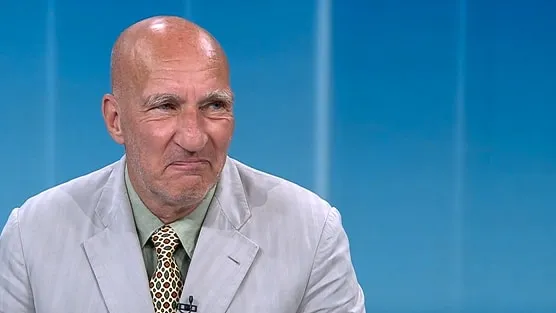
GERMANY — German government financial policy in 2026 has drawn sharp criticism from Reiner Holznagel, President of the Taxpayers' Association (Bund der Steuerzahler). Holznagel explicitly attacked the tax system, deeming it ineffective in alleviating the burden on citizens, even penalizing those who work harder, while paradoxically fueling the rampant black market for tobacco across the country.
In his statement, Holznagel highlighted that many taxpayers feel 'fooled' by the current fiscal policy. He argued that the government shows no serious willingness to provide relief to its compliant citizens, creating widespread dissatisfaction within society.
His primary criticism focuses on the tax system that burdens workers. According to him, incentives for taking on additional work or overtime disappear when a significant portion of that extra income must be surrendered to the state, thereby reducing motivation for national productivity.
Holznagel also specifically pointed to the adverse impact of this policy on the tobacco sector. High tax burdens drive consumers towards illegal products, ultimately harming state revenue from legal channels and strengthening black market networks. This phenomenon, he stated, indicates a failure of fiscal policy to achieve its objectives.
This situation creates a dilemma for the coalition government, which faces demands to balance the budget while maintaining purchasing power and public motivation. However, Holznagel asserted that the current approach is counterproductive.
Holznagel's statement is not the first of its kind to surface publicly. Previously, the Taxpayers' Association has consistently voiced similar concerns, particularly regarding the complexity and heaviness of the German tax system, which is often perceived as burdensome for both individuals and businesses.
For context, the issue of tobacco tax in Germany has indeed been a heated debate, with significant increases aimed at cutting the budget deficit. However, Holznagel now highlights the dark side of this policy, which gives rise to new problems.
Furthermore, he elaborated on how this financial pressure could lead to a decline in overall tax compliance. When citizens feel unappreciated for their contributions, the temptation to seek loopholes or even avoid taxes becomes greater, potentially undermining the foundation of the national tax system.
Holznagel also emphasized the need for comprehensive reforms that focus not only on revenue generation but also on expenditure efficiency and incentive creation. 'The state makes no effort at all to relieve taxpayers. That is truly bitter,' said Holznagel, reflecting widespread frustration.
These criticisms come at a time when the global economy is still facing post-pandemic challenges and geopolitical conflicts. The German government is expected to find innovative solutions to balance the country's fiscal needs with the welfare of its citizens, without creating new economic obstacles. Discussions about the threat of fines for late tax reporting are also often a hot topic, adding to the complexity of these issues for taxpayers.
Analysis of government financial policies, especially those related to the tax burden, will continue to be a major focus in the German public sphere. The government's success in responding to this criticism will determine the level of public trust and long-term economic stability in the years to come.