 Chris Robert
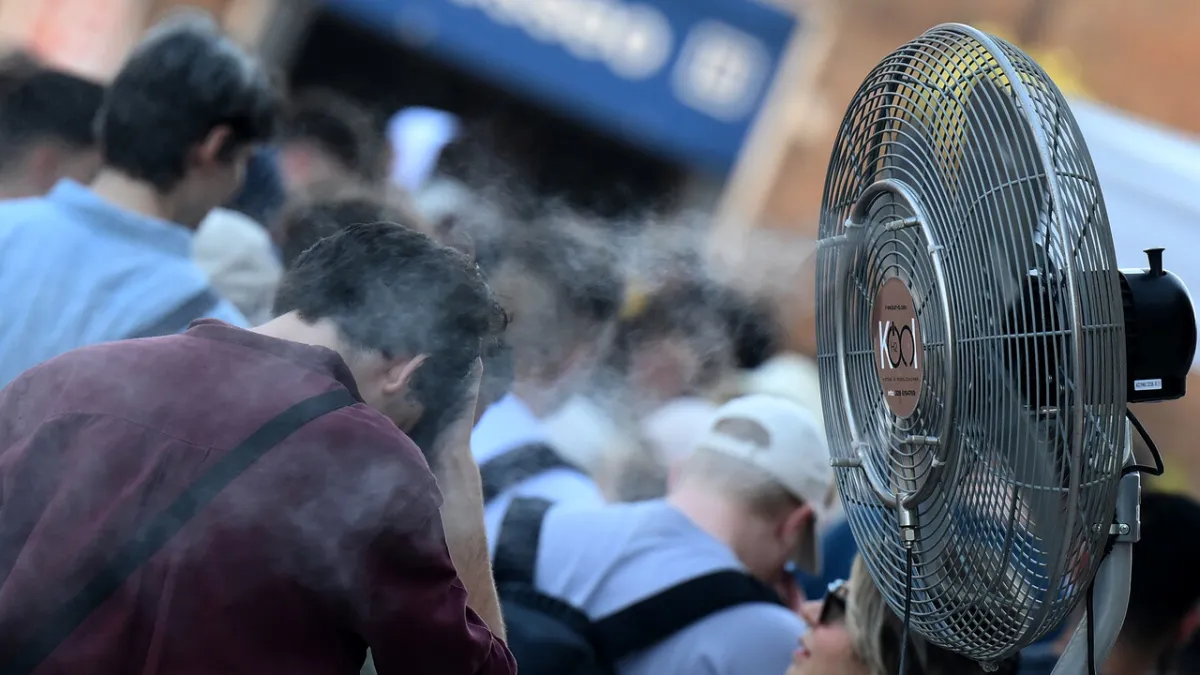
Florence, Italy — An extreme heatwave is sweeping across large parts of Italy, prompting local authorities to issue a “bollino rosso” or red alert for major cities like Florence and Perugia. These temperatures, forecast to exceed normal thresholds, are expected to persist until at least Sunday, July 11, 2026, posing a serious challenge to public health and urban infrastructure.
The red alert, the highest level in Italy's weather warning system, was announced by the Ministry of Health on Thursday, July 8, 2026. This measure was taken following projections of significant temperature increases that could lead to serious health risks, especially for vulnerable groups such as the elderly, children, and individuals with chronic medical conditions. This heatwave is not merely an inconvenience but a tangible threat requiring a swift and coordinated response.
This emergency also extends with an “bollino arancione” or orange alert being issued for four other urban centers on Saturday, July 10, and expanding to six cities on Sunday, July 11. The majority of cities on the Apennine Peninsula have been placed on pre-alert status, indicating that these extreme weather conditions are widespread and demand high vigilance from all sectors of society.
Regional governments have activated emergency protocols, including opening public cooling centers and increasing healthcare service capacity. Hospitals and medical facilities are on full alert to anticipate a surge in heat-related illnesses such as dehydration, heatstroke, and heat exhaustion. Public education campaigns are actively encouraging citizens to stay hydrated, avoid outdoor activities during peak heat hours, and wear light clothing.
This heatwave phenomenon is not new to Italy, which regularly experiences significant temperature increases during summer. However, climate experts suggest the intensity and duration of this particular heatwave show a worrying pattern, consistent with global climate change projections. "The extreme temperatures we are experiencing now are a real reflection of what is predicted to be the 'hottest summer' for Europe," said Dr. Elisa Rossi, a senior climatologist at the University of Rome.
Dr. Rossi added that the frequency and severity of heatwaves have dramatically increased over the past two decades. Meteorological data indicate that 2026 has the potential to break temperature records in several regions, exacerbating drought conditions and increasing the risk of forest fires. This aligns with recent reports stating that Europe Faces Hottest Summer 2026: Threat of Heatwaves and Floods.
Residents of Perugia, one of the most severely affected cities, are directly feeling the scorching impact. Streets appear deserted during midday, with many shops and offices adjusting their operating hours. Ice cream vendors and cold drink sellers, paradoxically, are seeing booming business, even as they endure the extreme heat themselves. Authorities remind citizens to check on neighbors and relatives who might need extra assistance.
This red alert also has significant implications for the tourism sector, which is the economic backbone for many Italian cities, including Florence. While there are no official travel bans, tourists are advised to postpone or limit strenuous outdoor activities. Popular attractions such as Florence Cathedral and the Uffizi Gallery have posted announcements and are providing free drinking water facilities for visitors.
The central government, through the Civil Protection Department, reaffirmed its commitment to supporting local authorities in addressing this crisis. "Our top priority is the safety and health of our citizens," stated a Civil Protection Department spokesperson during a virtual press conference. They are also coordinating with environmental agencies to monitor air quality, which often deteriorates during heatwave periods due to increased surface ozone.
The public is urged to follow health advice issued by the Ministry of Health. This advice includes drinking at least two liters of water daily, consuming fresh fruits and vegetables, and avoiding alcoholic and caffeinated beverages that can accelerate dehydration. The use of fans or air conditioners is also recommended, especially for those living in apartments with inadequate ventilation.
As the weekend approaches, public and media attention will remain focused on the weather developments in Italy. Forecasts indicate a slight decrease in temperatures after Sunday, but high vigilance is still required. This heatwave experience serves as an important reminder for Italy and other European countries regarding the urgency of adapting to climate change and mitigating its impacts.
The long-term implications of increasingly frequent heatwaves are also a serious concern. Scientists and policymakers continue to seek sustainable solutions, ranging from developing heat-resilient infrastructure to promoting more environmentally friendly lifestyles. The climate crisis is no longer a future threat but a reality that demands immediate collective action in 2026 and beyond.