 Robert Andrison
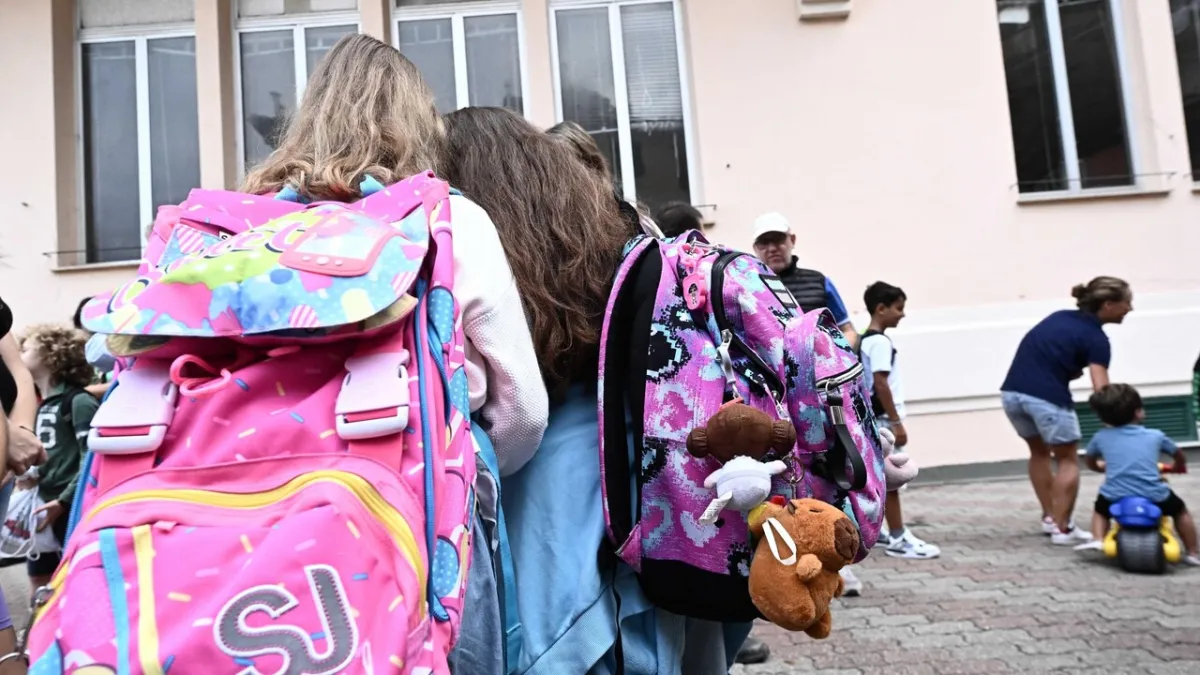
ROME — Recent data from 2026 indicates a dynamic shift within the Italian education landscape. The report shows a significant decrease in school dropout rates across the nation, coupled with a notable improvement in educational quality in the southern regions. However, classic challenges persist, particularly in the mastery of Mathematics and the Italian language, which remain ‘nemeses’ for many students. Prime Minister Giorgia Meloni, welcoming these developments, affirmed that the policy instruments implemented by her government are beginning to yield concrete results.
The reduction in school dropout rates represents a crucial success in the government’s efforts to address one of the most critical issues in the education sector. This phenomenon not only positively impacts formal statistics but also promises a brighter future for thousands of young people who now have a greater opportunity to complete their education. Government initiatives in student support programs are believed to be the primary drivers of this achievement.
Geographically, Southern Italy shows the most substantial progress. This region, historically often lagging in various social and economic indicators, is now demonstrating a surge in educational quality. This improvement is likely the result of more focused resource allocation and specific intervention programs designed to address regional disparities.
Nevertheless, the report also highlights persistent ‘dark spots’ that still need to be addressed. Mathematics and the Italian language remain areas where many students struggle to meet expected standards. The designations ‘bestia nera’ (black beast) for Mathematics and ‘si stenta’ (struggle) in Italian language describe how deeply rooted these problems are among students.
Responding to the report’s findings, Prime Minister Giorgia Meloni expressed optimism in her statement. She emphasized that the decline in dropout rates and improvements in the South are proof of "the effectiveness of the instruments we have put in place." Meloni’s statement reinforces her government’s commitment to ongoing education reform. Despite the internal political dynamics that often characterize Italy's right-wing coalition, focus on this crucial sector remains unwavering.
The government under Meloni’s leadership has implemented various programs aimed at improving access to and quality of education. These include investments in school infrastructure, more intensive teacher training, and the development of curricula relevant to modern job market needs. These efforts are an integral part of a long-term vision to equip future generations with competitive skills.
One of the key ‘instruments’ is the scholarship and financial aid program for students from disadvantaged families, which has proven effective in alleviating economic burdens, a primary factor contributing to school dropouts. Additionally, supplementary tutoring programs and special remedial classes for difficult subjects like Mathematics and Italian language continue to be promoted.
However, education experts suggest that results in Mathematics and Italian language require more innovative and profound approaches. They recommend changes in teaching methodologies, technology integration, and more personalized individual approaches to address differences in student learning styles. This gap indicates that curriculum reforms may need further evaluation.
The improvement in the South also serves as an interesting case study on how targeted policies can bring significant change. It offers valuable lessons for other regions in Europe that may face similar challenges in addressing inter-regional educational disparities. The success in the South is expected to be replicated in other areas with appropriate modifications.
Overall, this 2026 education report presents a complex picture: there is great optimism over the decline in dropout rates and progress in the South, but also a serious call to address fundamental weaknesses in the teaching of Mathematics and the Italian language. The Italian government under Prime Minister Meloni faces the continuous task of refining education strategies for a brighter future for all its citizens.