 Chris Robert
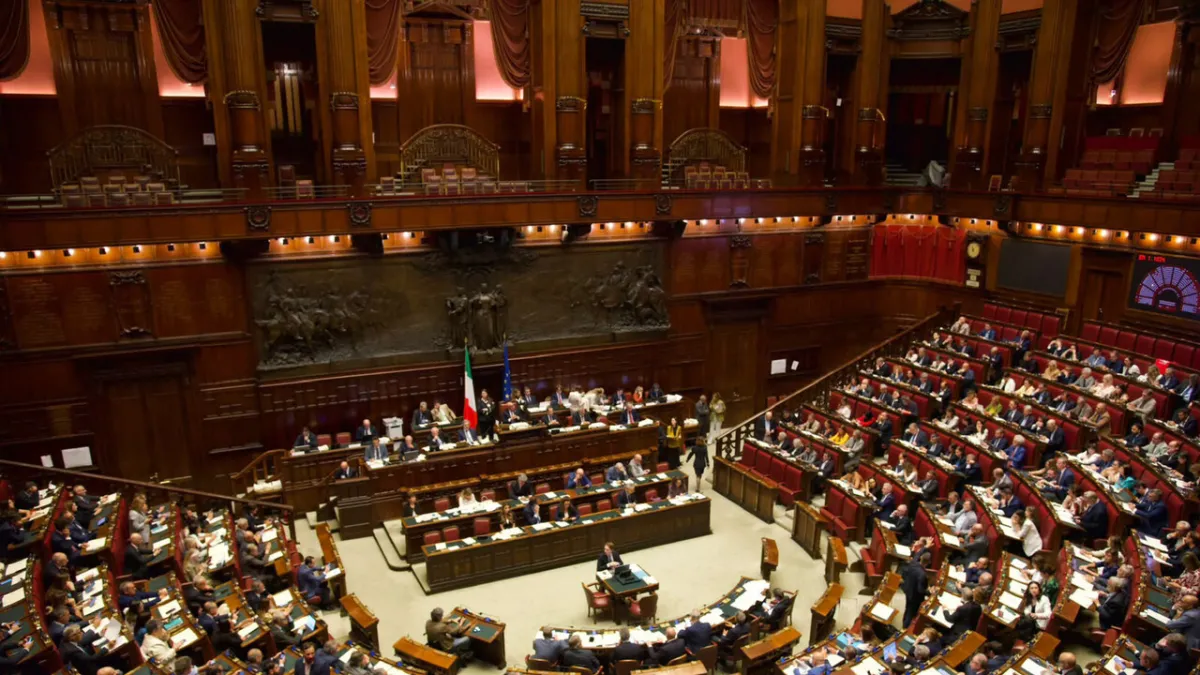
ROME — Italy's Chamber of Deputies, today in 2026, is witnessing a crucial debate on a new electoral reform bill poised to reshape the nation's political landscape. This marathon session has captured significant public attention, as its outcome will determine the method for electing representatives and the future configuration of the government on the Apennine Peninsula.
The current electoral law has long been a source of instability, often leading to fragile and short-lived coalition governments. The demand for change has intensified following a series of political crises in recent years, underscoring the necessity for a more stable and representative system.
The legislative process is fraught with complex political maneuvering, as various factions fiercely contend to secure their interests. The ruling coalition faces significant challenges in achieving consensus amid fundamental disagreements on key aspects of the bill, such as parliamentary thresholds and seat allocation systems.
One of the most contentious points of debate is the proposed implementation of a majority bonus system, designed to award additional seats to the winning party or coalition. Supporters argue that this would create stronger, more stable governments, capable of advancing legislative agendas without significant hindrance.
However, fierce criticism has emerged from opposition parties and even some factions within the coalition. They fear such a system would marginalize minority representation and threaten political pluralism. "A system that overly favors one side will reduce the voice of millions of Italian citizens," stated a centrist parliamentarian.
The weeks leading up to this session were marked by intensive political maneuvers, including closed-door negotiations and threats of withdrawal of support from several parties. This situation is reminiscent of the political intrigues that frequently shake Italy's right-wing coalition, demanding strong leadership to maintain unity.
Political analysts suggest that a failure to reach a consensus on this reform could trigger a new government crisis, potentially leading to early general elections. Italy's political stability, often a point of concern, hangs precariously in the balance.
Other proposals garnering attention include potential changes to voter or candidate age limits, as well as geographical adjustments to electoral districts. While not as complex as the majority bonus issue, these articles still require thorough discussion to ensure fairness and efficiency.
10. The Italian public awaits the outcome of this debate with anxious anticipation. They desire an electoral system that is not only fair but also capable of producing effective governments responsive to the needs of the people, especially in addressing the economic and social challenges of 2026.
The final decision made by the Chamber of Deputies will mark a historical milestone for Italian democracy. This is not merely a technical change in law but a significant gamble for a more solid and sustainable political future and state governance. History shows that government preferences often falter in parliament, making the outcome of this session highly anticipated.