 Demian Sahputra
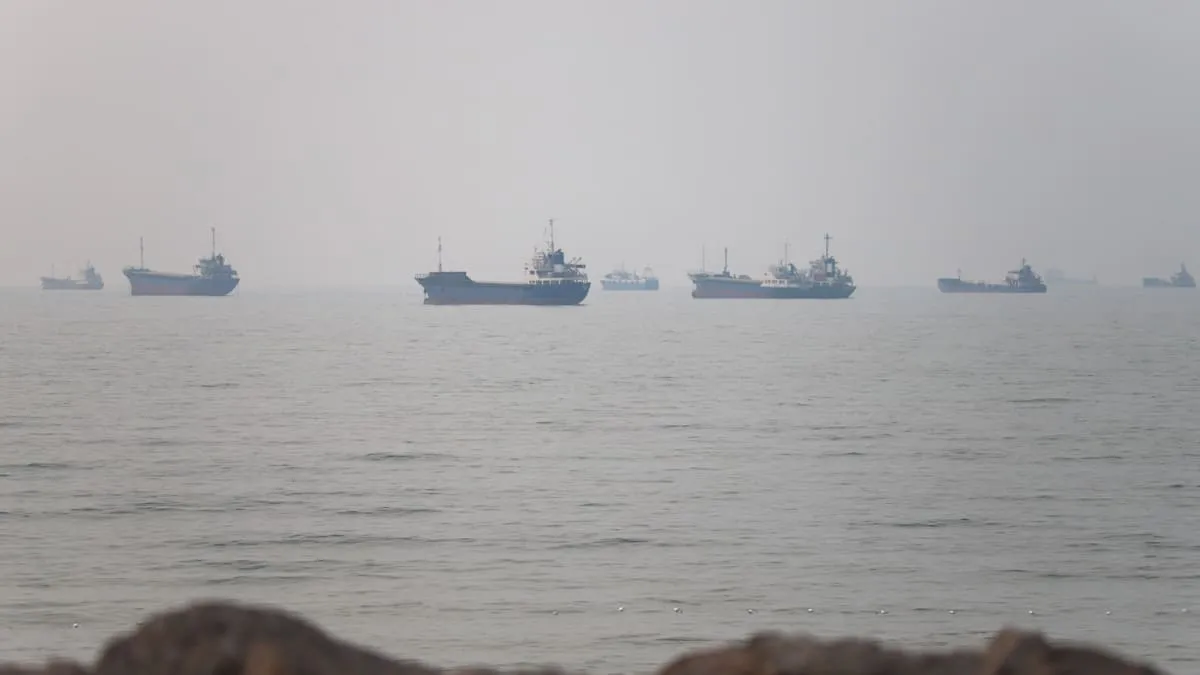
Tehran — The Islamic Republic of Iran has unequivocally declared the Strait of Hormuz its "red line" of sovereignty. This stern statement comes as a direct response to potential further attacks from the United States, accompanied by threats of military retaliation that could destabilize the Middle East. The warning immediately ignited global concerns over potential disruptions to vital oil trade routes and a surge in energy commodity prices, forcing markets to brace for significant inflationary impacts in 2026.
A spokesperson for the Iranian Foreign Ministry asserted that any military aggression against Iranian facilities or personnel would be met with a firm and proportional response. "Control over the Strait of Hormuz is our absolute right, and any attempt to undermine our sovereignty in that region is an intolerable violation," the spokesperson stated.
This escalating geopolitical conflict has direct implications for the global oil market. The Strait of Hormuz, a narrow shipping lane between Iran and Oman, serves as a transit point for approximately one-third of all seaborne traded oil. The potential for a closure or significant disruption of this strait could trigger supply chaos and uncontrolled price surges.
Economist Karsten Junius, during a discussion, reminded the global community that it must begin adapting to the inflationary effects of rising oil prices. "We must get used to the inflationary effects of rising oil prices," Junius stated, underscoring the urgency for nations to seek alternative trade routes and energy sources.
The search for alternative trade routes and energy sources has become an urgent agenda for many importing nations. However, this transition process is not immediate and requires substantial investment and time, exacerbating short-term economic prospects. Global shipping companies have already begun considering worst-case scenarios, exploring longer and more expensive alternative routes.
The United States, under President Joe Biden's administration in 2026, has not yet officially responded to Iran's latest threat, but tensions between the two nations have been high for several years. US economic sanctions against Iran, particularly in the oil sector, often serve as a primary catalyst for escalation. Iran itself has repeatedly stated that these sanctions constitute an act of economic warfare.
Several regional nations and global powers, including China and the European Union, have urged both sides to exercise restraint and resolve differences through diplomatic channels. The stability of the Strait of Hormuz is crucial for the global economy, and any escalation there would have a domino effect across various sectors.
Iran's threat is more than mere rhetoric. They possess significant military capabilities in the region, including a fleet of small vessels, fast boats, and anti-ship missiles. History demonstrates that Iran has not hesitated to use these capabilities to defend its interests, such as past incidents involving the detention of oil tankers.
A drastic rise in oil prices would exacerbate existing inflationary pressures in many countries post-pandemic and the Ukraine conflict. Transportation costs would increase, prices of essential goods would skyrocket, and consumer purchasing power would weaken. This could trigger a deeper global recession.
Amidst these threats, mitigation efforts and diplomatic channels become increasingly vital. The UN and other international organizations are expected to play a more proactive mediating role to prevent armed conflict and ensure the smooth flow of international shipping. However, complex negotiations require time and strong political will from all parties.
The crucial issue concerning the impact of Iran's policies on global energy supply and oil price shocks was previously discussed in the article "Iran Sandera Ekonomi Global: Pukulan AS Guncang Pasar Minyak Dunia". That article highlighted how geopolitical dynamics can directly affect global economic stability.