 Robert Andrison
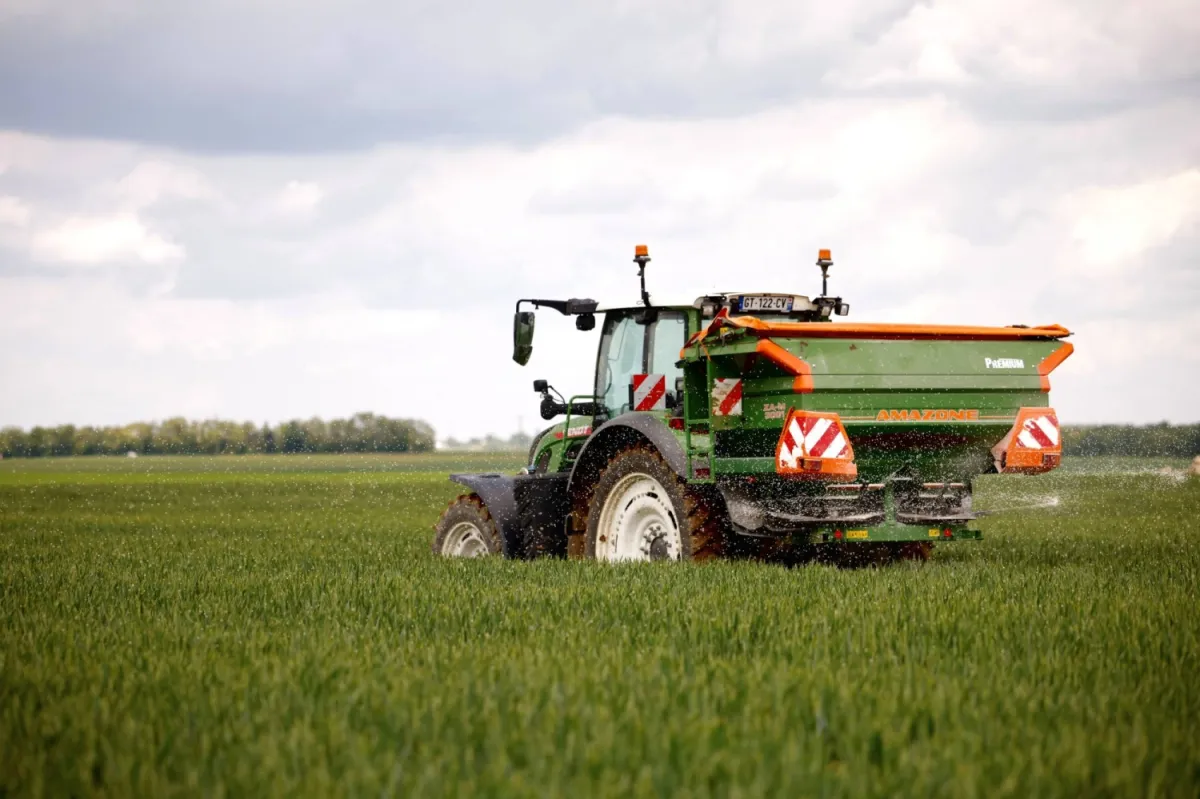
TOKYO – The environmental crisis exacerbated by reactive nitrogen from global fertilizer production has now found a ray of hope. A leading Japanese scientist has proposed an innovative approach to tackle the harmful impacts of nitrogen on the climate and Earth's ecosystems, a crucial solution expected to shape sustainable agriculture and maintain environmental stability in 2026. This challenge, stemming from the conversion of harmless nitrogen gas into reactive forms for fertilizers, demands urgent attention from the international community.
Nitrogen gas (N2) is naturally abundant in the atmosphere and is harmless. However, industrial processes, particularly for producing synthetic fertilizers essential for global food, convert it into various reactive nitrogen forms. These forms, such as nitric oxide and ammonia, become significant pollutants for air, water, and soil.
The environmental impacts of reactive nitrogen are extensive. It contributes to the greenhouse effect, depletes the ozone layer, and causes eutrophication in water bodies, leading to excessive algal growth and the death of aquatic life. The scale of this problem makes its management an urgent global priority.
Nevertheless, the role of fertilizers in feeding billions of people worldwide is undeniable. Without fertilizers, agricultural yields would plummet drastically, threatening global food security. This dilemma motivates scientists to seek solutions that balance the need for food production with environmental preservation.
It is in this context that a scientist from Japan, whose name has not been specifically published in initial reports, has highlighted the importance of a holistic approach. The scientist emphasized that while reactive nitrogen is a price paid for food production, there are ways to significantly manage and minimize its negative impacts.
The proposed approach focuses on nitrogen use efficiency and the development of new technologies. This includes enhancing nitrogen uptake by plants, optimizing fertilizer timing and methods, and innovating fertilizer formulations that reduce nitrogen release into the environment. The goal is to close the nitrogen cycle so that more nitrogen remains within agricultural systems and less leaks as a pollutant.
Potential technologies include the use of slow-release fertilizers, nitrification inhibitors, and precision fertilizer applications utilizing geospatial data. Smart farming systems based on sensors and artificial intelligence are also integral to future solutions for managing crop nutrients more effectively.
The importance of international collaboration is stressed to disseminate these best practices and technologies worldwide. The year 2026 marks a crucial moment for countries to adopt policies supporting more environmentally friendly agriculture, given the increasing pressure of climate change.
Reducing nitrogen emissions from the agricultural sector will significantly contribute to global greenhouse gas emission reduction targets. This is not merely about minimizing local environmental damage but also about mitigating climate change on a planetary scale.
This statement from the Japanese scientist offers a fresh perspective and real hope that the complex global nitrogen problem can be addressed through scientific innovation and collective commitment. Concrete steps must now be taken to integrate these findings into global agricultural practices.
Editorial Insight: The ideas presented by the Japanese scientist affirm that solutions to complex environmental challenges often require innovation rooted in a deep understanding of natural systems. This approach is not only relevant for climate change mitigation but also essential for long-term food security. Its implementation will require strong policy support, investment in research and development, and massive farmer education. Success in managing the nitrogen cycle will be a crucial indicator of global commitment to sustainability.