 Edward DP Situmorang
GERMANY — June 2026 marked a grim record with nearly one hundred drowning deaths across various bodies of water, making it the most tragic start to the bathing season in the last 23 years. The fatalities were predominantly men and young individuals, sparking profound concern from rescue organizations.
The Deutsche Lebens-Rettungs-Gesellschaft (DLRG), or German Life-Saving Society, issued an official statement describing the situation as a "tragic start to the bathing season." This drastic increase in drowning incidents raises serious questions about safety measures and public awareness.
These horrifying statistics reveal a significant surge compared to previous years. The DLRG's initial analysis highlights an alarming pattern: many incidents occurred in unsupervised public waters or locations unfamiliar to the victims.
The majority of victims were men, a trend observed in past data but now exacerbated. Furthermore, the proportion of young people among the deceased is remarkably high, indicating the need for more extensive and targeted water safety education.
"We are deeply concerned by this alarming increase in fatalities," stated a DLRG spokesperson, Peter Mustermann. "Every life lost in the water is a tragedy that should have been preventable. We observe a combination of factors, from lack of supervision to insufficient awareness of hidden dangers."
The primary causes of these drowning accidents vary. Some include inadequate swimming skills, the influence of alcohol or drugs, and high-risk behaviors such as sudden jumps into cold water or swimming in areas with strong currents.
Authorities and the DLRG urge the public to exercise greater caution when enjoying water facilities. Recommendations include always swimming in supervised areas, never swimming alone, and ensuring children are constantly under adult supervision.
Water safety education has become a primary focus. The DLRG has launched a new awareness campaign targeting schools and communities, aiming to enhance water safety literacy from an early age, especially among adolescents.
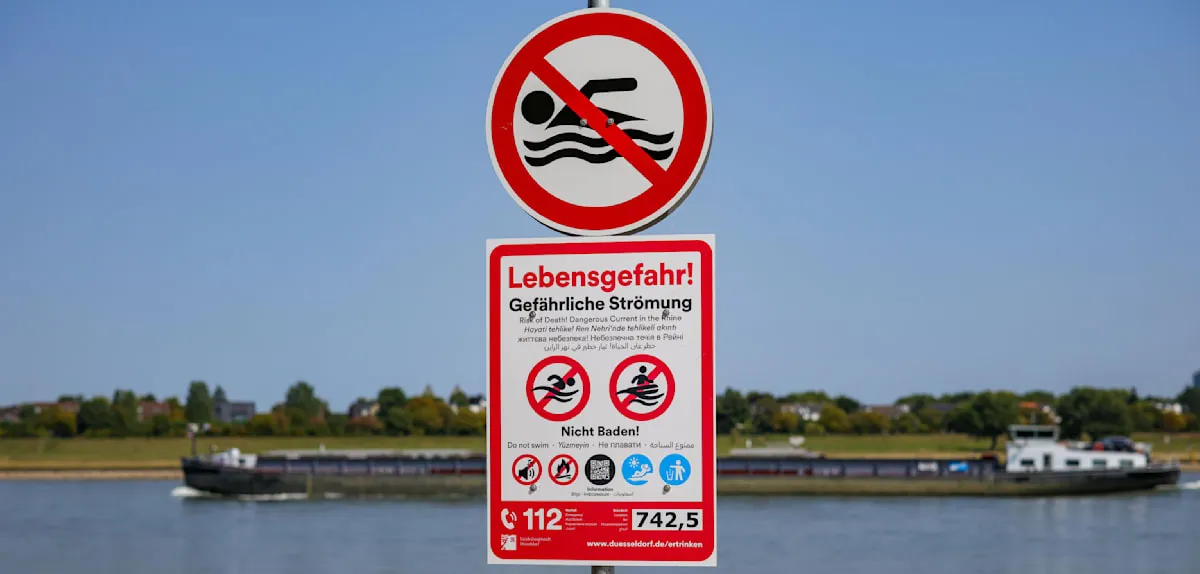
Local governments are encouraged to strengthen safety infrastructure around popular lakes, rivers, and beaches. This includes installing warning signs, increasing the number of lifeguards, and providing easily accessible rescue equipment.
This situation also underscores the importance of first aid (P3K) and cardiopulmonary resuscitation (CPR) training. This basic knowledge can be a deciding factor between life and death in water emergencies.
Experts predict that with increasingly extreme summer temperatures in the coming years, the number of visitors to water areas will continue to rise. Therefore, mitigation and prevention measures must be promptly enhanced.
The tragedy of June 2026 must serve as a collective reminder for all parties. Water safety is not just an individual responsibility but also requires strong commitment from governments, organizations, and all segments of society.