 Demian Sahputra
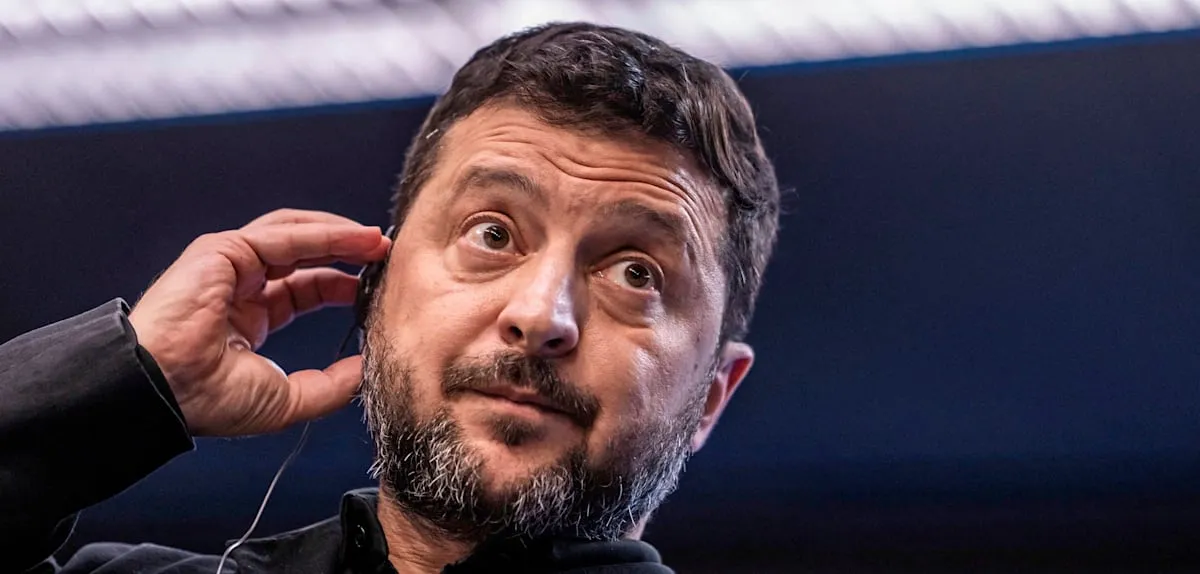
BERLIN – A startling admission from Die Linke (The Left Party) politician, Elif Eralp, revealing her fear of clan criminal groups and Hamas sympathizers, has ignited a fierce debate in the German political landscape. This confession, reported by the prominent media outlet Spiegel, starkly contrasts with her party's longstanding policy agenda, which typically advocates for limiting the authority and curtailing the competencies of the police and state security agencies.
Eralp, an influential figure within Die Linke, openly expressed her concerns about the threat these groups pose to social order and public safety. Her personal apprehension has drawn significant attention, considering her party's frequent criticism of law enforcement powers—a stance many observers deem naive amidst increasingly complex threats.
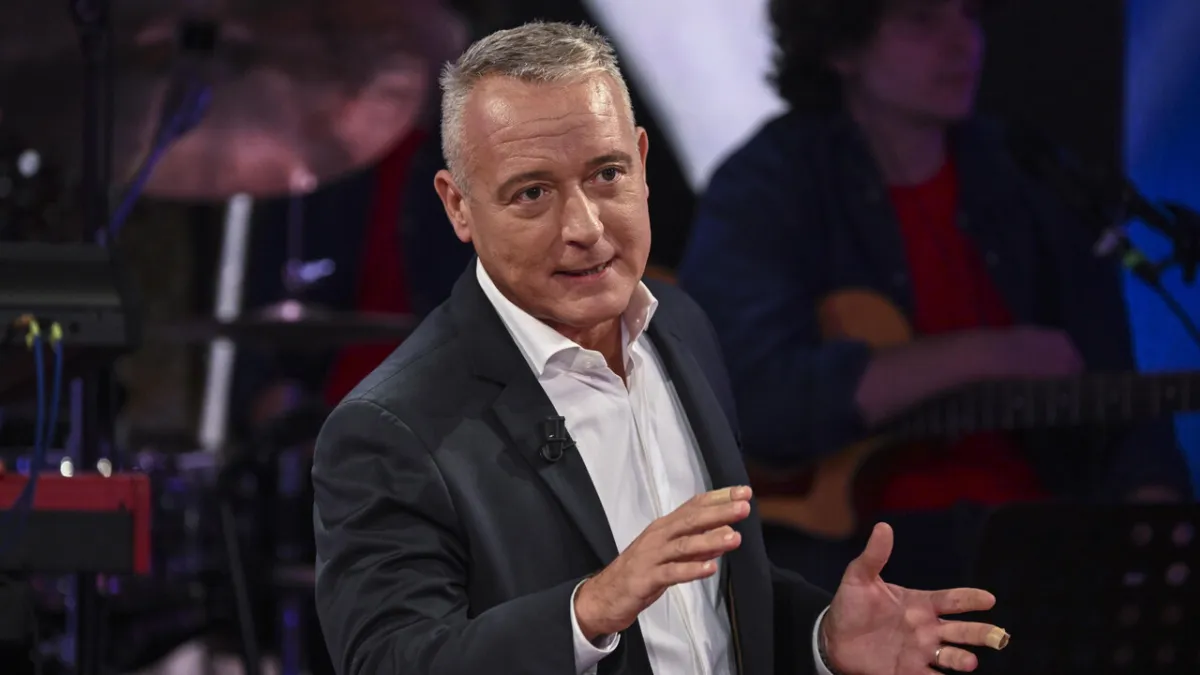
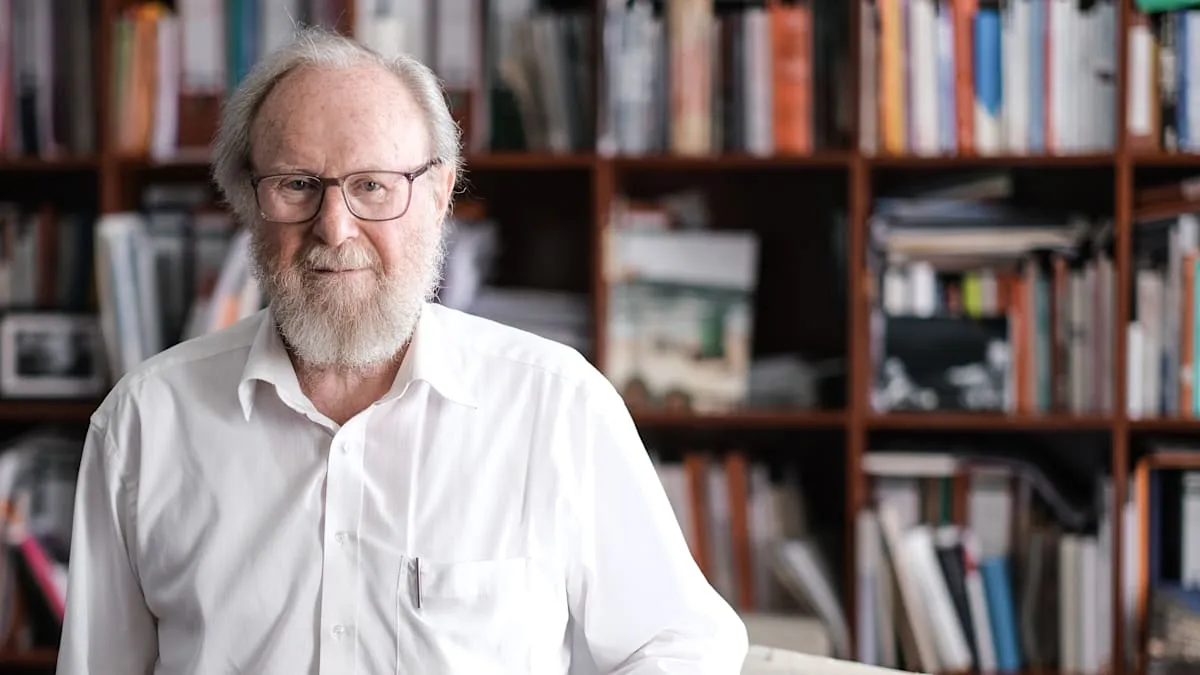
Former Bundestag President, Wolfgang Thierse, unequivocally highlighted a fundamental contradiction in this position. To have fear of clan criminality and at the same time weaken the security organs. That is a contradiction, Thierse stated, implying that Die Linke's policies could inadvertently exacerbate the very situations its members fear.
Thierse's remarks underscore the view that the party needs to re-evaluate its priorities. If its own politicians feel unsafe, then policies that potentially diminish the state's capacity to protect its citizens warrant a serious questioning of their validity. This places Die Linke at a crossroads between party ideology and the security realities confronting German society.
The issue of clan criminality has long been a serious challenge for law enforcement in Germany. These organized groups, often operating based on family ties, are involved in various criminal activities ranging from drug trafficking, money laundering, to street violence. Their power and networks frequently make it difficult for authorities to penetrate and effectively combat them.
Concurrently, the threat from Hamas sympathizer groups has also escalated. As previously reported in a related article, German Linke Politician Reveals Deep Fears of Hamas Sympathizers, this phenomenon causes considerable concern among politicians and intelligence agencies. The presence of elements supporting terrorist groups domestically necessitates a robust and coordinated security response.
Weakening security apparatuses, whether through budget cuts or restrictions on investigative powers, risks creating vulnerabilities that criminal and extremist groups can exploit. In the current context, with an increasingly diverse and sophisticated threat landscape, strengthening the capacity of law enforcement is precisely what is needed, not the opposite.
This debate also touches upon the essence of the state's role in guaranteeing security and order. Citizens, including politicians, have a right to feel safe. However, that sense of security cannot materialize if the state instruments responsible for protecting it are weakened by counterproductive policies.
Criticism of Die Linke is not new. The party often comes under scrutiny for its perceived soft stance on security issues, which some consider a structural weakness. However, a personal admission of fear from one of its own politicians adds a new dimension to the debate.
This opens a broader discourse on the balance between civil liberties, oversight of state power, and the need for effective security. How can a party reconcile its desire to protect individual freedoms with the fundamental responsibility to suppress serious threats against the state?
The German political community and public now await Die Linke's response to this internal and external criticism. Will they maintain their ideological policy line, or will the reality of security threats compel a more pragmatic reassessment of the role and strength of state security organs?
Editorial Insight: The tension between civil liberties and national security is always a complex dilemma for any democracy. Elif Eralp's case and Wolfgang Thierse's criticism highlight that political idealism must meet security pragmatism on the ground. Weakening security agencies for ideological reasons, while real threats continue to grow, can be a boomerang that endangers societal stability and security. A judicious balance requires flexible and responsive policy adjustments to the dynamics of contemporary threats.