 Edward DP Situmorang
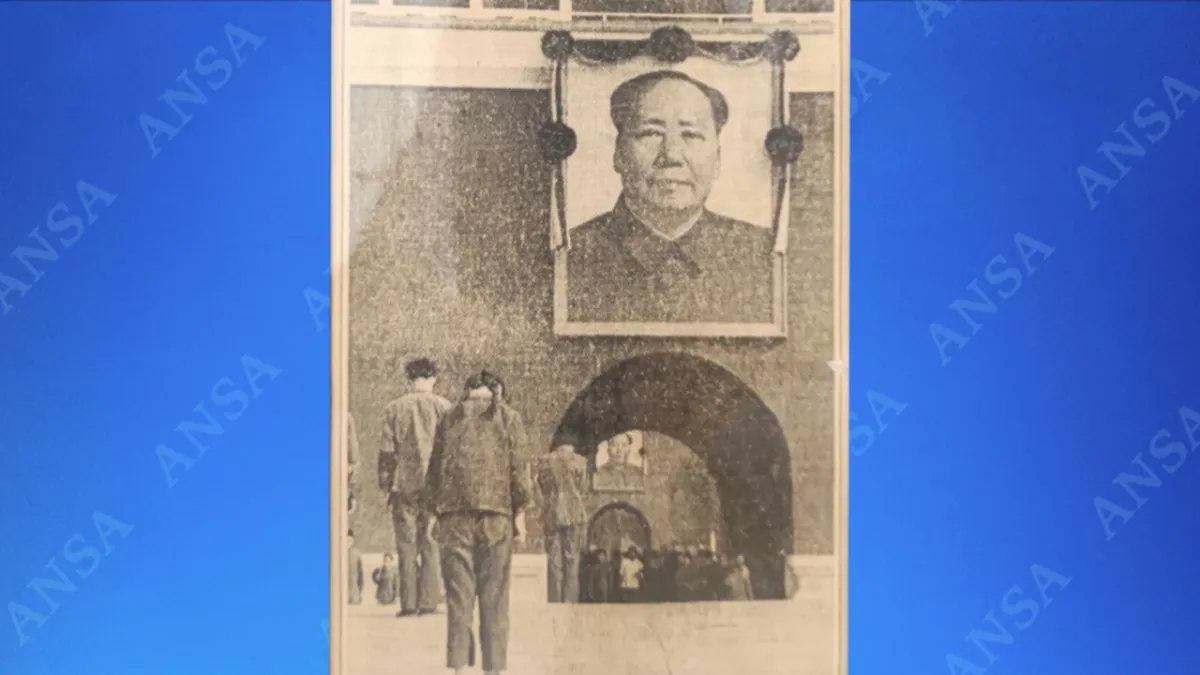
ROME – Fifty years ago, specifically on September 9, 1976, the world was stunned by the death of one of the 20th century's most influential figures, Mao Zedong. This crucial moment not only marked the end of an era in China but was also immortalized through the lens of a correspondent from the ANSA news agency. The photo he took at the time became a global symbol, capturing the profound grief of millions and transforming the world's perception of China. Today, the journalist shares his story behind that striking shot.
The ANSA correspondent, tasked with covering important events in Asia during that era, faced immense challenges. China in 1976 was still very closed to foreign journalists, especially regarding sensitive issues like the health of its supreme leader. News of Mao's death spread selectively, creating both confusion and deep sorrow among Chinese citizens. The atmosphere in the capital Beijing was tense, filled with endless lines of mourners.
It was a very difficult moment, the correspondent recalled. Access was extremely limited, and our every move was closely watched. Yet, journalistic instinct demanded we be at the heart of the event, capturing the essence of what was happening. With limited equipment and information, he endeavored to document the scale of grief sweeping through China.
The iconic photo depicted a sea of people in Tiananmen Square, where the national mourning ceremony was held. Millions of citizens lined up, some weeping profusely, others silent in profound sadness. Their facial expressions, framed by large banners and giant portraits of Mao, reflected a mixture of loyalty, fear, and uncertainty about the future. The ANSA journalist successfully captured this intensely emotional atmosphere.
The pictures were taken covertly, avoiding the attention of authorities who might confiscate the coverage. I knew this was an important shot. It wasn't just news of a death, but a reflection of a system and its impact on the people, he stated. The risks he took were commensurate with the results obtained.
After successfully dispatching his film, the photo quickly spread worldwide through the ANSA network. The image became the first strong visual evidence of the Chinese public's response to their leader's death, which had previously only been accessible through controlled official reports. International media across the globe reprinted this photo on their front pages, making it one of the most iconic images of 1976.
The impact of this photo was significant. It not only provided an authentic glimpse into the atmosphere in China at the time but also sparked global discussions about Mao's legacy and China's future post-Mao. The photograph opened the world's eyes to an unimaginable scale of sorrow, while also hinting at the potential for major changes to come.
Recalling the event half a century later, the journalist stated, That moment shaped my understanding of the power of visual journalism. An image can tell a thousand words and transcend barriers of language or ideology. His photo was not just documentation; it was a historical statement.
Mao Zedong's death indeed opened a new chapter for China. Deng Xiaoping subsequently took power, launching radical economic reforms, and gradually opening the country to the outside world. However, Mao's ideological legacy remains an inseparable part of China's political identity even in 2026, with his portrait still adorning the Tiananmen gate, a symbolic reminder of a leader who shaped the destiny of a quarter of the world's population.
Editorial Insight: The passing of Mao Zedong, now five decades ago, remains a monumental turning point in modern history. The ANSA journalist's coverage at the time did not merely report the news but provided a profound visual perspective when access to information was severely limited. This underscores the vital role of independent journalism in recording and disseminating truth, even under pressure. Mao's legacy, though controversial, continues to shape China's political and social landscape, influencing global dynamics even during the presidencies of Prabowo Subianto in Indonesia and Donald Trump in the United States. The photograph serves as an enduring reminder of the individual's power to record grand history.