 Chris Robert
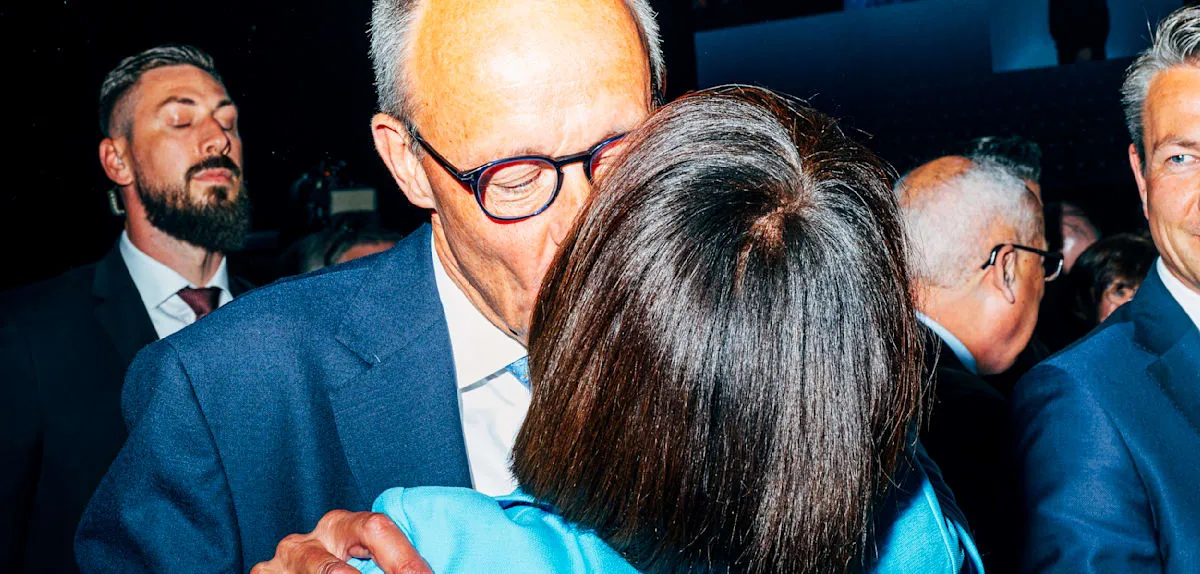
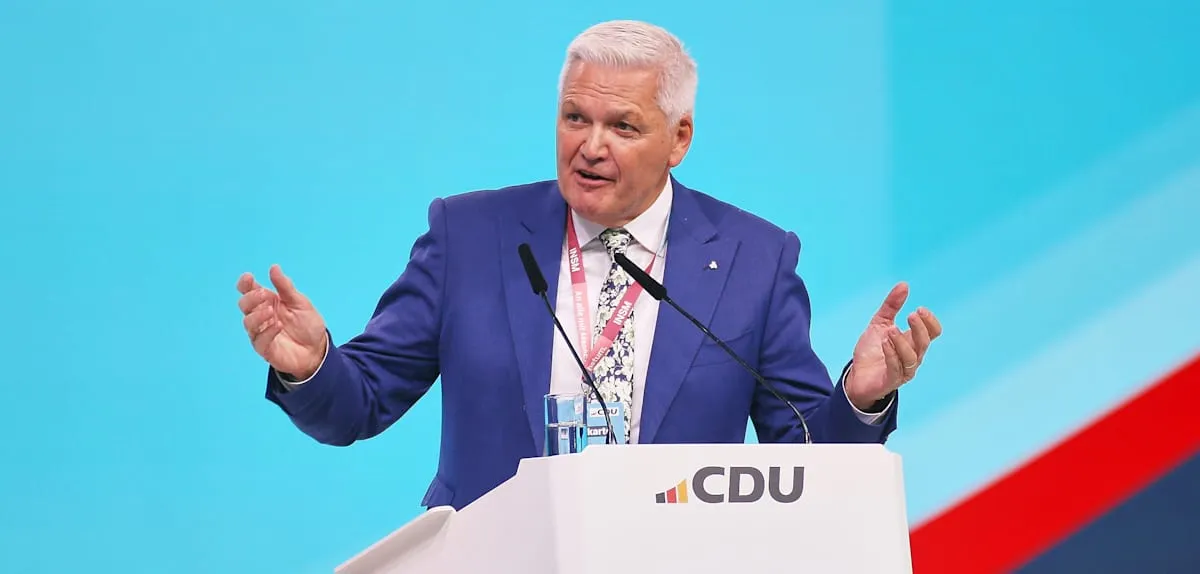
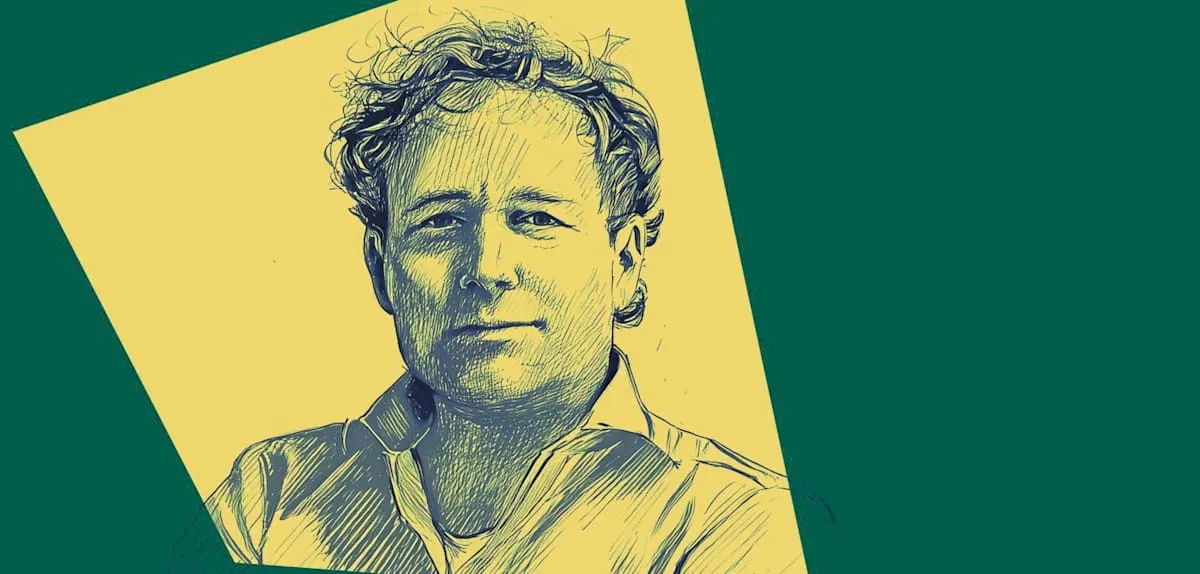
Berlin — Renowned photographer Nikita Teryoshin has once again stirred the visual journalism world with a controversial statement. He frankly claimed to have captured the worst pictures of Friedrich Merz, one of Germany's most influential politicians in 2026. This statement is not merely sensationalism; it is a sharp critique of the increasing presentation of politics as a staged performance in Germany, a phenomenon that Teryoshin believes often leaves behind emptiness and sadness.
Teryoshin's comment, known for his provocative and honest photographic style, targets the core of modern political presentation. For him, politicians often get trapped in engineered images, obscuring the essence and substance of the ideas that should be conveyed to the public. Through his camera lens, Teryoshin endeavors to unveil this illusion, revealing moments that, while perhaps not conventionally artistic, are precisely the most authentic.
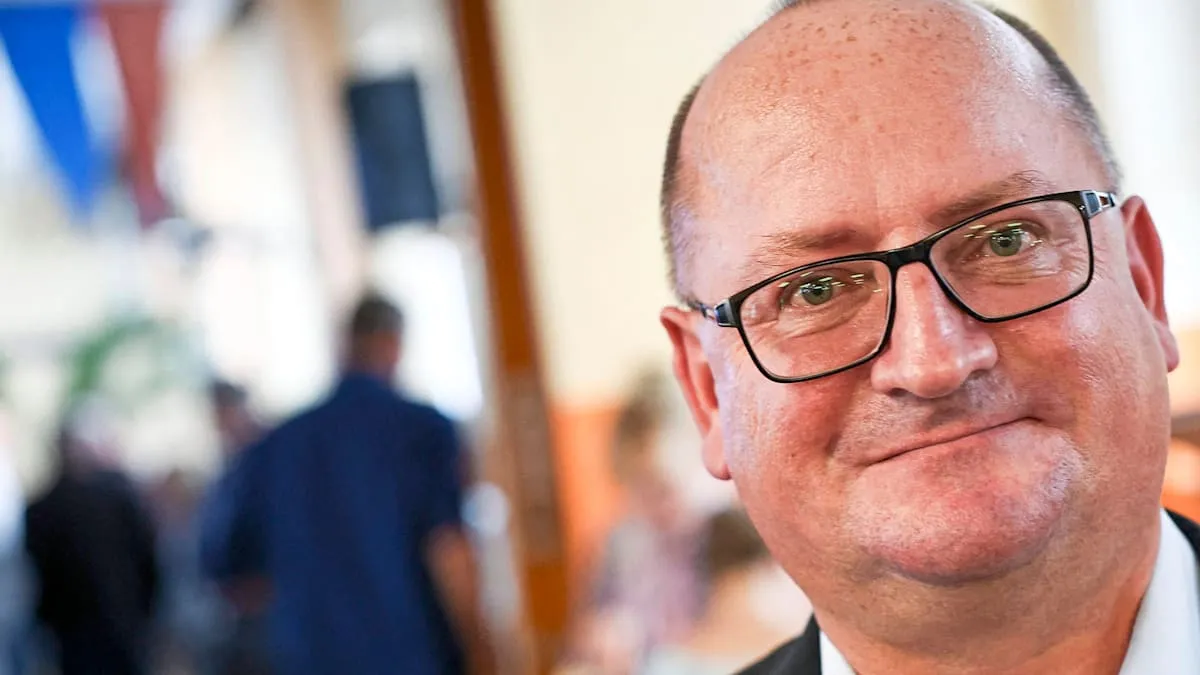
Friedrich Merz, currently serving as a prominent opposition leader, becomes an intriguing subject for Teryoshin. Merz, with his charismatic yet often polarizing profile, is an archetypal politician adept at managing public image. Therefore, Teryoshin's claim about Merz's worst pictures is not meant to personally disparage but rather to highlight vulnerability or incongruity within the constructed narrative.
In his interview, Teryoshin explained that the definition of worst here refers to the most effective images in exposing the fundamental contradiction between size, strength, and future constantly championed by politics, and the reality that is often sad and hollow. He seeks cracks where the theatrical stage collapses, even momentarily, revealing the human behind the politician's mask.
The phenomenon of politics as a staging is not new, but in Germany, the trend is becoming more concerning. Public debates often feel sterile, filled with meticulously prepared rhetoric and perfect appearances. Teryoshin, through his works, forces the public to look deeper, questioning what is truly being witnessed behind the media and campaign curtains.
This is also relevant to the growing discussion about Germany's political stagnation, where many feel that political discourse has lost direction and substance. Teryoshin's visual critique adds a new dimension to this debate, showing how visual representation can exacerbate or even reveal the root causes of problems.
Teryoshin's works often feature politicians in less-than-ideal moments: tired expressions, awkward poses, or unplanned pauses that break the illusion of perfection. These images, which might be considered bad by a politician's media team, are invaluable to journalism precisely because they reveal hidden human aspects.
Political photography, in Teryoshin's hands, transforms into a form of resistance against the singular narrative dictated by party machinery. He offers an alternative perspective, forcing viewers not just to consume images but to analyze them critically. This is a challenge to the dominance of image-making and the attempts to control public space through curated visuals.
Amidst the wave of populism testing the foundations of German democracy, Teryoshin's visual honesty becomes crucial. Populist politicians are often adept at creating strong, simple images, which can be just as artificial as those of mainstream politicians. Teryoshin's work reminds us to always be wary of all forms of visual manipulation.
This statement by Teryoshin invites contemplation on the ethics of visual journalism: to what extent can a photographer delve into private moments or unguarded instances for the sake of truth? Teryoshin argues that his goal is not to embarrass but to provoke critical thought about how politics is presented and consumed.
Ultimately, what Nikita Teryoshin conveys through his confession about Merz is an open invitation to the public. An invitation not to be easily captivated by the glare of the political stage, but to seek essence, authenticity, and accountability behind every gesture, every speech, and every image presented. This is a call for bolder and more critical visual journalism in the years to come.