 Robert Andrison
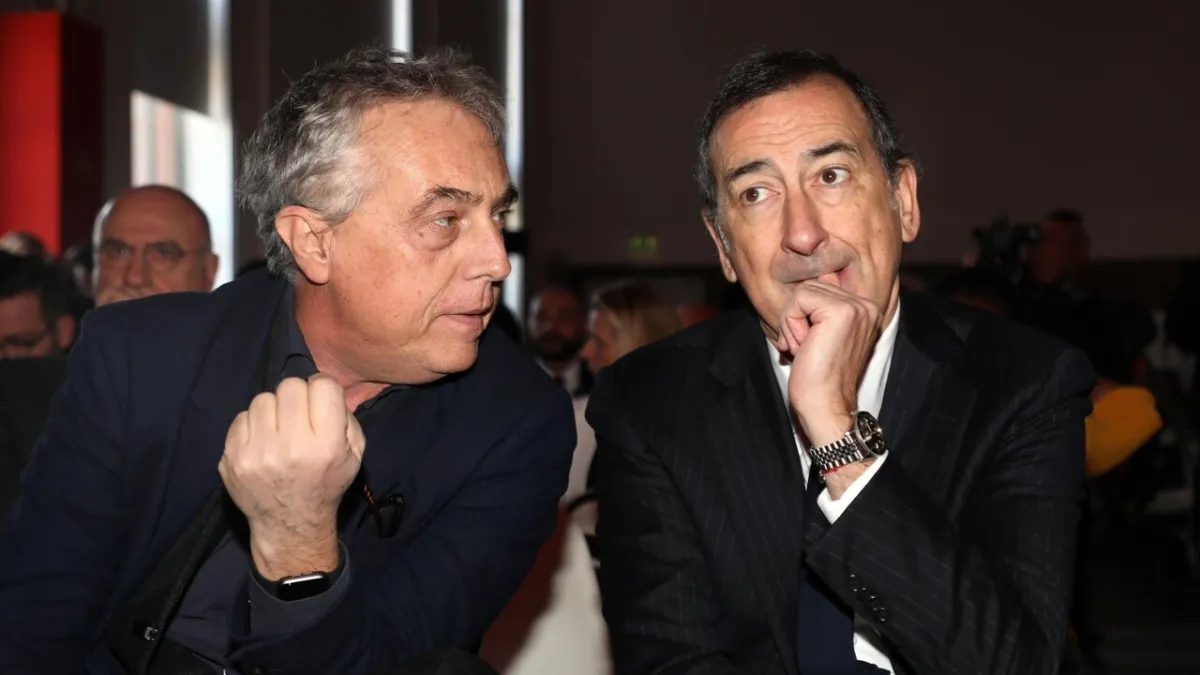
MILAN – Prosecutors in Milan have surprisingly filed a request to dismiss the investigation into alleged urban planning corruption involving prominent figures. Mayor Giuseppe Sala, renowned architect Stefano Boeri, developer Manfredi Catella, and former council member Tancredi are among those who could now avoid legal prosecution after prosecutors deemed the evidence insufficient for a trial in 2026.
This request to archive the case marks a new chapter in a legal saga that has long entangled Milan's political and urban elite. The investigation focused on several ambitious urban development projects, raising questions about transparency and integrity in the permitting and implementation processes.
One central point in this case is the ambitious Pirellino project. This project, involving the revitalization of a significant area in the heart of the city, has become a symbol of Milan's modernization but also the focus of alleged irregularities. Details related to this project were key for prosecutors in formulating the initial charges.
Giuseppe Sala, as the active Mayor, played a crucial role in the city administration and major projects. His involvement in the investigation created political ripples, although he consistently maintained his innocence and full commitment to transparent city governance.
Similarly, the name Stefano Boeri, a visionary architect behind many iconic global architectural projects, surprised many. His reputation as a proponent of sustainable and innovative architecture was tested when his name was implicated in the list of those investigated.
Manfredi Catella, a leading real estate developer in Italy, also came under scrutiny. His role in financing and implementing large urban projects placed him in a position that frequently interacted with city officials, leading to potential conflicts of interest that were investigated.
Law enforcement sources indicate that after a thorough analysis of documents and testimonies, prosecutors found insufficient concrete evidence to support criminal charges. Therefore, the request for archiving is considered a decision based purely on legal assessment.
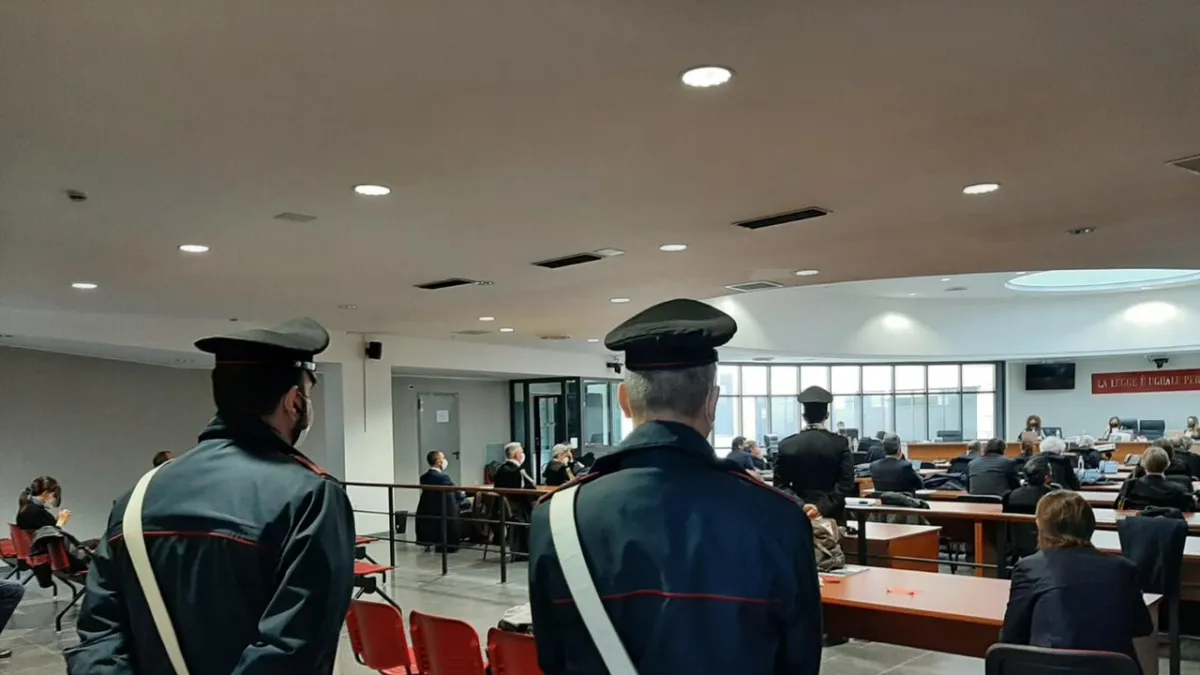
Italian legal procedure requires a judge to review the prosecutor's request. The judge will decide whether to approve the archiving of the case or order further investigation, perhaps by asking prosecutors to gather additional evidence. This decision is expected to have broad implications.
- Potential Case Dismissal: Prosecutors deem evidence insufficient to proceed with prosecution.
- Figures Involved: Mayor Sala, architect Boeri, developer Catella, and former council member Tancredi.
- Key Project: The Pirellino project is a central focus of the investigation.
The people of Milan, who have long awaited clarity, are likely to have mixed reactions. Some may be relieved that the case is nearing an end, while others may be disappointed by the potential lack of legal accountability for figures involved in alleged irregularities.
This case underscores the complex challenges in urban governance in rapidly developing major cities. The balance between promoting economic development and ensuring the integrity of public processes is a crucial issue that requires continuous attention from government and citizens.
Editorial Insight: The request to dismiss this case, though legally understandable due to insufficient evidence, has the potential to spark a broader public debate on the accountability of officials and developers in large-scale urban projects. It may also provide important lessons on the difficulty of proving corruption in complex urban environments involving multiple parties and interests. Transparency in permitting processes and independent oversight become even more urgent to maintain public trust in future city development.