 Robert Andrison
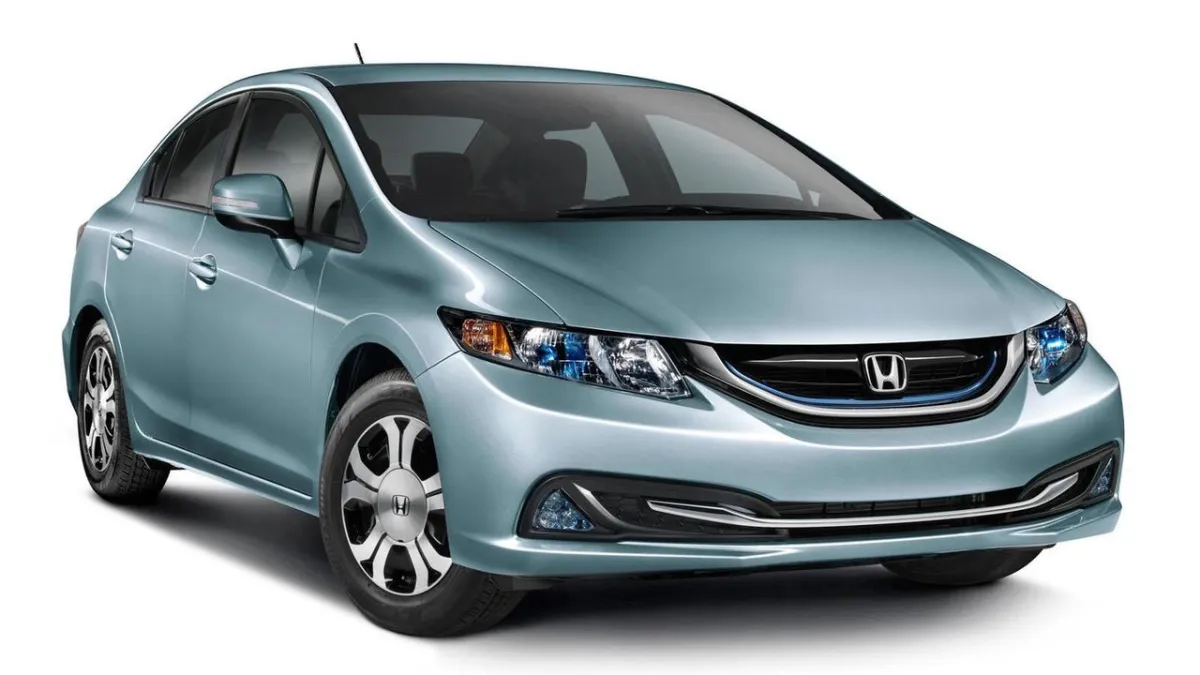
TOKYO – Two global automotive giants, Honda and Toyota, have once again announced a massive recall impacting 1.6 million of their vehicles worldwide. This urgent decision follows a recent evaluation concerning the potential malfunction of Takata airbag inflators, specifically those installed in certain models operating in hot and humid regions. The free component replacement program is scheduled to run until at least early 2027, underscoring an unresolved safety crisis.
The Takata airbag scandal has marred the automotive industry's history, leading to millions of vehicle recalls and dozens of fatalities globally. This latest recall from Honda and Toyota confirms that the latent danger posed by these defective components remains a serious threat to driver and passenger safety.
In-depth investigations reveal that Takata airbag inflators can rupture abnormally during a collision, propelling sharp metal fragments into the cabin. This condition is exacerbated by prolonged exposure to high humidity and extreme temperatures, which can accelerate the degradation of the propellant within the inflator.
Honda, as one of the manufacturers most affected by the Takata issue, is taking proactive steps by identifying specific inflator lots at risk. The identified models encompass a variety of popular variants that have been marketed across several continents.
Similarly, Toyota is actively ensuring its consumers' safety. This recall includes vehicle series that may not have been covered by previous recall programs, expanding the scope of repairs to minimize the potential for tragic incidents.
Consumer safety is our top priority, a Honda spokesperson stated in an official announcement. We urge all affected vehicle owners to contact their nearest authorized dealer immediately to schedule a complimentary airbag replacement. A similar statement was issued by Toyota, emphasizing their commitment to risk mitigation.
This free replacement program is a continuation of global efforts to address the Takata crisis, which has persisted for over a decade. Although the Japanese airbag manufacturer has gone bankrupt, its repercussions continue to be felt, forcing automotive manufacturers to bear full responsibility.
Vehicle owners in regions such as Southeast Asia, South America, and parts of North America, known for their hot and humid climates, are urged to be especially vigilant. These environmental conditions have been empirically proven to accelerate the degradation rate of problematic airbag inflators.
Automotive safety experts underscore the importance of swift manufacturer response and active consumer participation. Every faulty inflator is a potential time bomb, said Dr. Budi Santoso, an independent automotive analyst. While the recall numbers are large, the most crucial aspect is ensuring every at-risk unit receives a repair.
Governments and regulatory bodies in various countries continue to monitor this recall process. They are urging automotive manufacturers to be transparent and responsive in providing information and services to affected vehicle owners.
It is essential for vehicle owners to regularly check the manufacturer's official websites or contact local dealers with their Vehicle Identification Number (VIN) to ascertain if their vehicle is included in the recall list. This proactive step can prevent unforeseen fatal consequences.
Editorial Insight: The massive recall by Honda and Toyota in 2026 is not merely a routine technical incident; it is a stark reminder that the legacy of Takata's failures continues to haunt the automotive industry. This demonstrates that despite years having passed, the complexity and widespread distribution of defective components require a prolonged effort for complete resolution. The decision to extend the replacement program until 2027 is a vital strategic move to maintain consumer trust and uphold safety as an undeniable value amidst intense global market competition. It also serves as a critical lesson for the entire automotive supply chain on the importance of uncompromising quality control.