 Gabriella
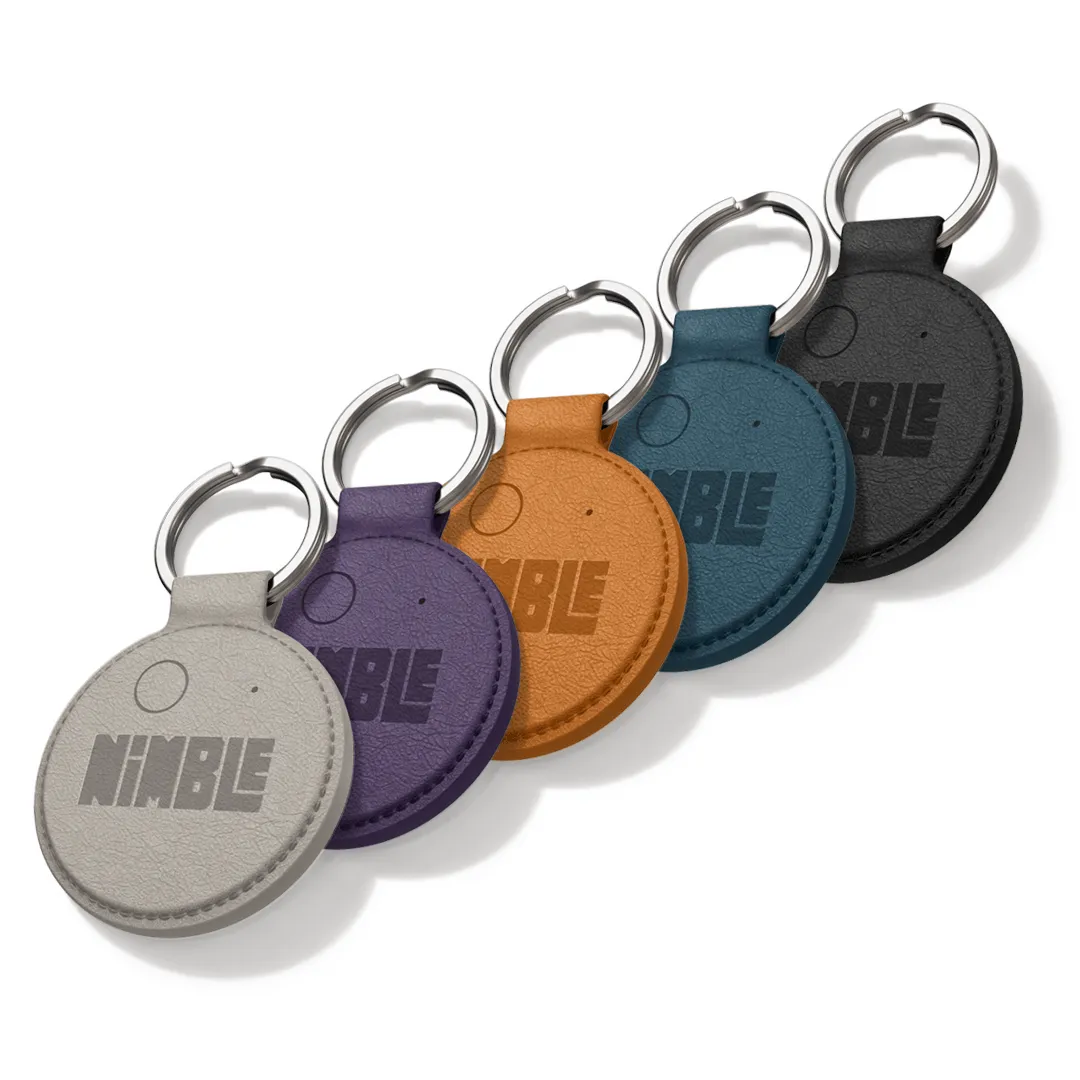
JAKARTA – Tech giants like Google and Apple now face a new challenger in the item-tracking market: Nimble, which has just launched a series of innovative products focused on sustainability. This startup is determined to stand out by offering trackable wallets, keychains, luggage tags, and passport covers, all designed with eco-friendly principles. This strategic move comes as competition in the item-tracking segment intensifies, revealing a shift in consumer priorities towards products that are not only functional but also environmentally responsible.
This launch marks a new chapter in the personal item tracking industry, a sector that has been dominated by solutions like Apple AirTag and Google's 'Find My' network. Nimble, with its 'eco-friendly' approach, hopes to attract consumers who are increasingly concerned about the environmental impact of the products they use. It's not just about tracking capability; it's about tracking with a conscience.
Nimble's products are designed to meet the mobility needs of modern users, offering peace of mind through accurate tracking capabilities. Whether it's a misplaced wallet, lost keys, or a forgotten luggage bag, users can easily locate their valuable items. However, Nimble's competitive advantage lies in its commitment to sustainable materials and production processes.
In the rapidly evolving technological landscape of 2026, the demand for tracking devices has significantly increased. Consumers are seeking more efficient ways to keep their personal belongings secure. Nimble's presence enriches market options while encouraging other players to consider sustainability aspects in their product innovations.
Industry analysts view Nimble's market entry as a positive signal. 'This shows that innovation is not just limited to features, but also extends to core consumer values,' said a leading tech analyst. 'In the long run, companies that can integrate advanced technology with social responsibility will have a strong competitive edge.'
Nimble's strength lies in the use of recycled materials and designs that minimize carbon footprint. For instance, their luggage tags and keychains are made from post-consumer recycled plastics, reducing waste and reliance on new materials. This approach aligns with global trends emphasizing the circular economy and more ethical consumption.
How will Nimble compete against the established ecosystems of Google and Apple? Its strategy will likely center on product differentiation and targeting specific markets. Instead of going directly head-to-head, Nimble could target a segment of environmentally conscious consumers who are willing to pay more for products that align with their values.
The main challenge facing Nimble is building scale and ecosystem integration. Google and Apple's tracking networks are already vast, leveraging billions of active devices worldwide. Nimble needs to develop a robust network or seek strategic partnerships to ensure effective and reliable tracking coverage.
Such sustainable innovation also reflects the future direction of technology, where smart products are expected to be not only efficient but also responsible. We see similar shifts across various sectors, including Japan's efforts to adopt new technologies for public convenience, such as facial payment in Tokyo stores to be inaugurated. This demonstrates how technology continues to evolve to serve not only efficiency but also new values.
Nimble's success will depend on its ability to effectively communicate these values to consumers. Marketing campaigns focused on the story behind the products, the materials used, and the positive environmental impact will be key. The item-tracking market, previously dominated by pure functionality, is now wide open for innovations that bring greater impact.
Thus, Nimble is not just selling tracking products; they are selling a philosophy. A philosophy that demonstrates that technology and sustainability can go hand in hand, even in the face of fierce competition from global players. It is a bold move, and the world will observe whether this business model can change how we view our personal smart devices.
Editorial Insight: Nimble's entry into the item-tracking market marks a significant turning point. Amidst the dominance of tech giants, a differentiation strategy through sustainability offers Nimble a unique niche. While ecosystem integration and scale challenges remain substantial, the shift in consumer interest towards eco-friendly products could be a breath of fresh air for this startup. If Nimble successfully builds a loyal user base and expands its tracking network, it could set a precedent for other innovators to compete not just on features, but also on production ethics and environmental impact. This also reinforces the narrative that technology in 2026 must be more than just smart; it must be responsible.