 Demian Sahputra
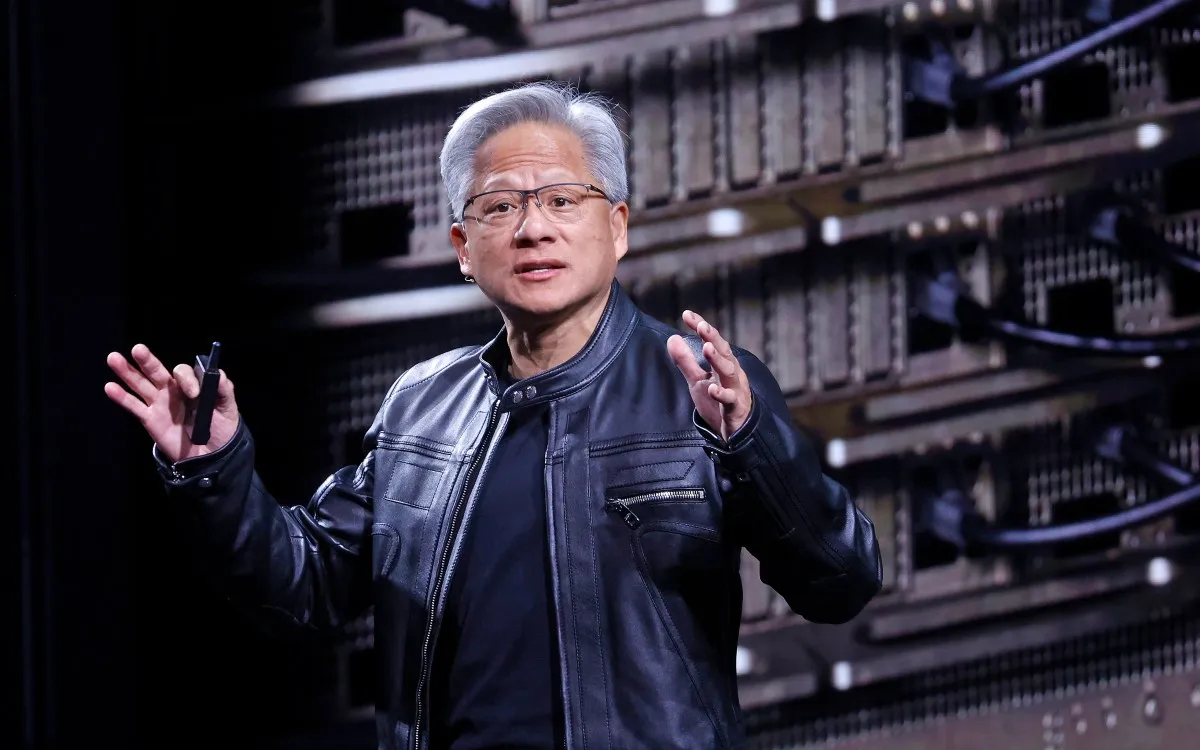
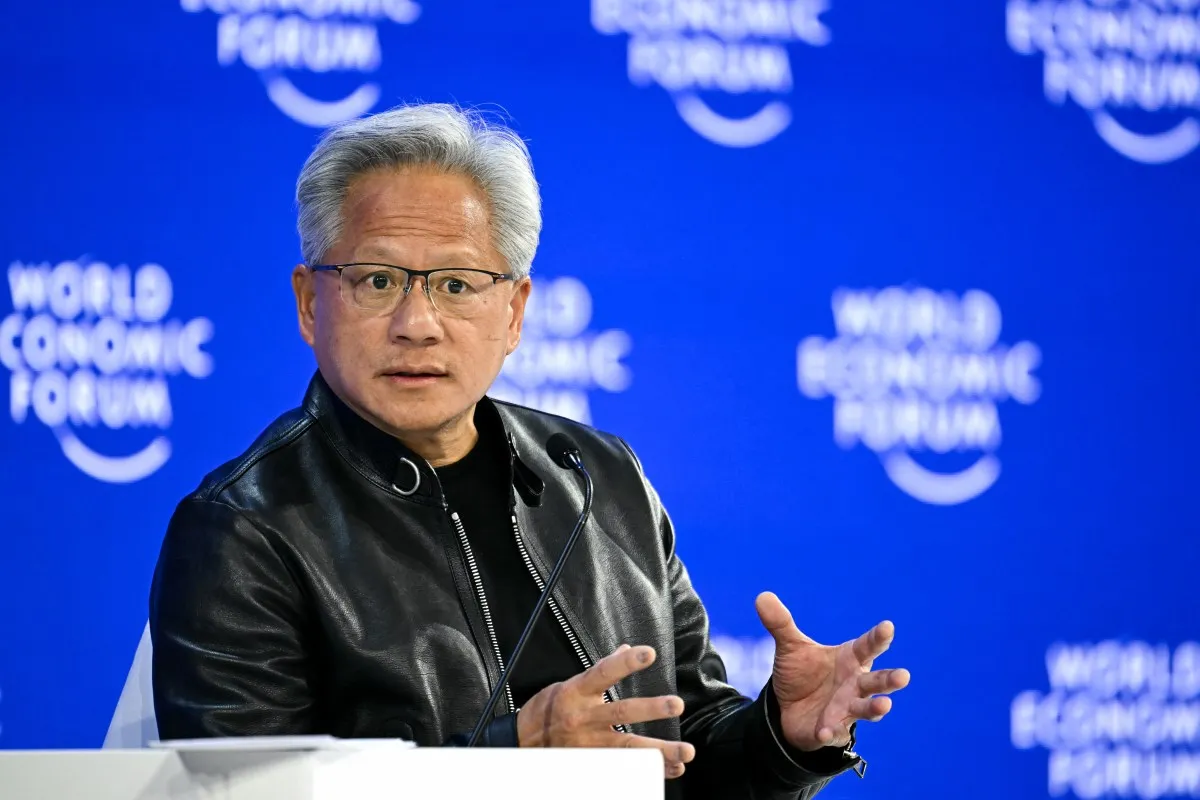
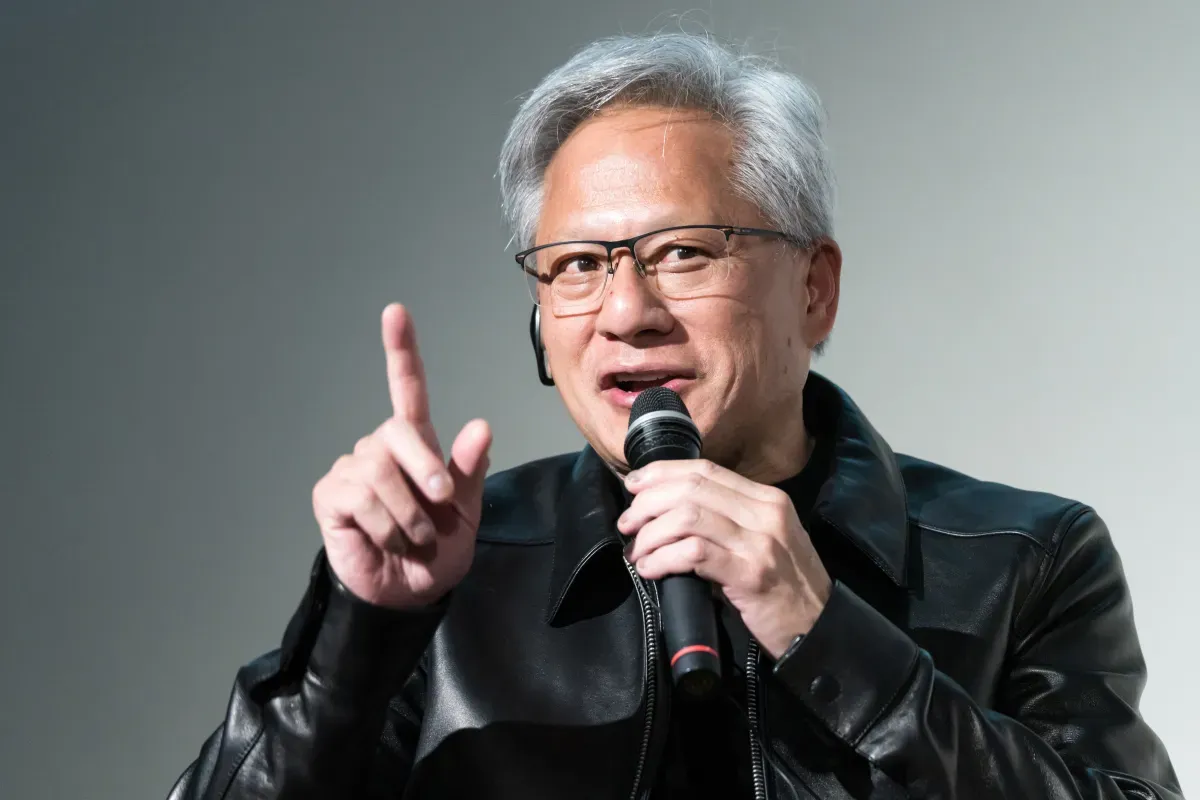
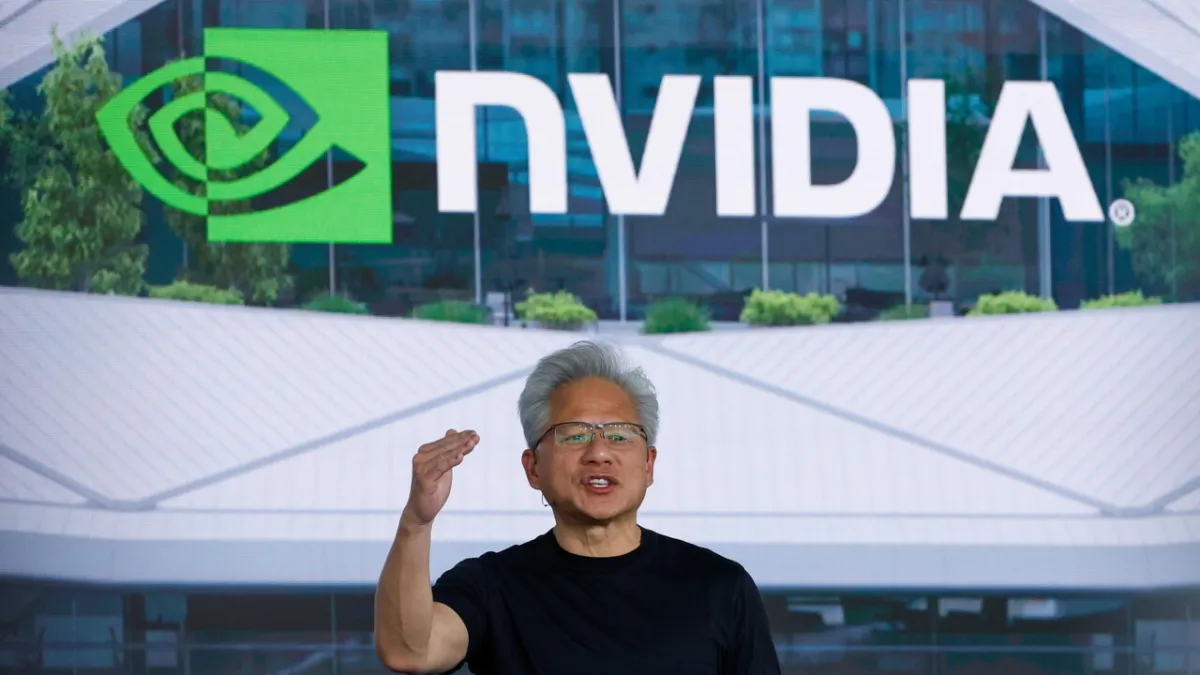
WASHINGTON – A surprising decision marking Jensen Huang's return as Nvidia's chief executive in early 2026, less than two weeks after his ousting, has sparked a wave of anger and confusion among United States politicians. From both sides of the political spectrum, responses have ranged from 'outrageous' to 'reckless,' highlighting serious concerns about corporate governance and potential conflicts of interest amidst Nvidia's dominance in the global artificial intelligence sector.
This incident occurs amid intense public scrutiny of the technology sector and its influence on national policy. Many members of Congress expressed frustration over the volatile leadership dynamics within the semiconductor giant, especially given its crucial role in the global technology race.
A senior Democratic senator, who requested anonymity due to the sensitivity of the issue, described the maneuver as 'a reckless act that undermines market integrity and public trust.' Meanwhile, a Republican representative retorted with disbelief, 'Wow, this is truly outrageous. How could such an important decision be reversed in such a short time without transparent explanation?'
Nvidia, under Jensen Huang's leadership, has indeed been a key player in the development of artificial intelligence technology and advanced chips vital for various industries, from defense to scientific research. This dominance places the company under strict government oversight, particularly regarding national security issues and global competition. Huang's sudden return to office rekindles fundamental questions about the stability and ethical leadership within a giant tech company.
This situation is not the first time Jensen Huang and Nvidia have faced sensitive issues. Previously, in 2026, Huang also testified before the US Senate regarding a geopolitical scandal surrounding his company's operations. His swift return to the leadership seat seems to extend the list of controversies accompanying his career.
Some market analysts speculate that pressure from institutional investors or internal board dynamics were factors behind this turnaround. However, the lack of transparency from Nvidia exacerbates suspicions that an undisclosed agenda remains. The crucial question is why a CEO was removed, then reinstated, within such a brief period.
This development could create market uncertainty, although Nvidia's fundamentals remain strong. However, the long-term impact on the company's reputation and governance still needs careful observation. This also sets an interesting precedent for other major technology companies facing intense regulatory scrutiny.
The US government's concerns are not limited to the company's internal governance but also extend to foreign policy implications and technological dominance. The United States is aggressively pursuing global dominance in the artificial intelligence sector, and leadership stability in companies like Nvidia is key to achieving that goal.
Details regarding the reasons for Huang's dismissal two weeks prior were never officially announced. Speculation included strategic differences with the board of directors or pressure from major shareholders regarding performance or ethical issues. His return seems to erase all such speculation, but creates new ones about the forces behind the scenes.
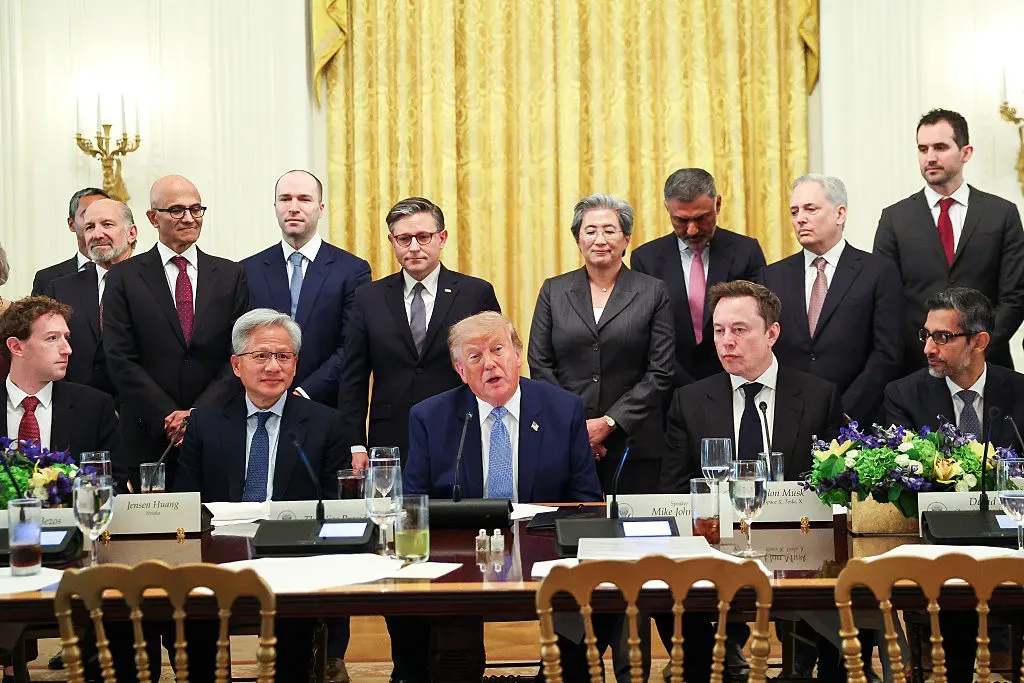
Politicians, especially those on oversight committees on Capitol Hill, will likely demand further explanations from Nvidia. They want to understand whether this decision is purely business or if external interventions were at play. This issue could fuel further investigations into the practices of major tech companies. This is also related to the scandal shaking Nvidia amidst a storm of ethics.
Editorial Insight:
The swift return of Jensen Huang to Nvidia's helm shortly after his dismissal indicates either an intense internal power struggle or immense external pressure. Transparency is key to maintaining public and investor trust, yet in this case, the minimal transparency fuels serious concerns. This event warrants attention from regulators and the public, as it reflects not only the dynamics within one company but also a broader trend in corporate governance in an era of technological dominance.