 Demian Sahputra
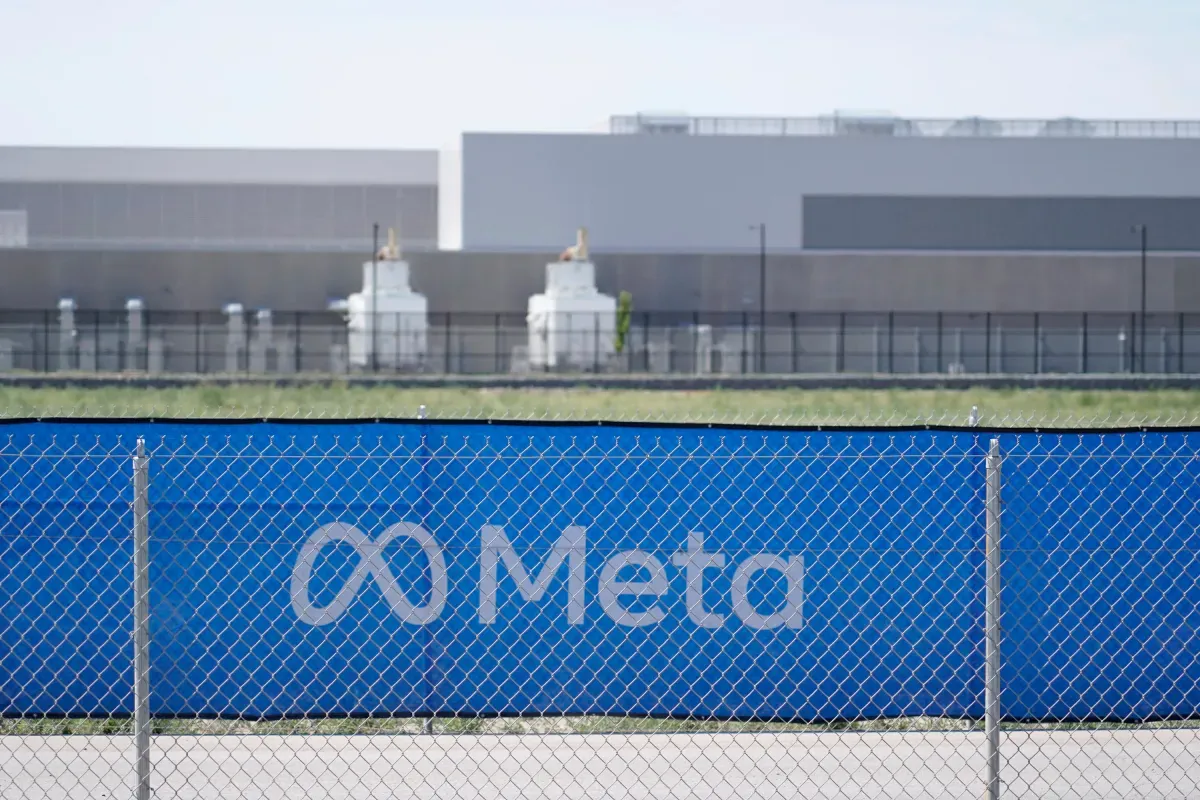
JAKARTA – Tech giant Meta Platforms Inc. has surprisingly announced an adjustment to its net-zero carbon emissions target from 2030. This significant decision, revealed in the company's 2026 sustainability report, is expected to trigger substantial ripples across the global technology industry. This step back could potentially reshape the landscape of corporate environmental commitments.
Meta's sustainability policy, previously one of the most ambitious in the tech sector, will now undergo a profound revision. This adjustment highlights the complex challenges faced by large corporations in balancing rapid growth with environmental responsibility. The 2026 sustainability report serves as a crucial document unveiling Meta's strategic shift in direction.
Industry analysts suggest that Meta's decision could set a precedent for other tech companies facing similar pressures in achieving their emission targets. Many are anticipating how other tech giants will respond to Meta's move, whether they will adhere to their initial commitments or also reconsider their stances.
Meta's annual sustainability report, released earlier this year, explicitly outlines these changes, citing factors such as difficulties in sourcing certified renewable energy and challenges in integrating low-carbon technologies at their global operational scale. This marks an open acknowledgment of unexpected hurdles.
The implications of this target adjustment extend beyond Meta's reputation, potentially affecting future investments in sustainability projects. Investors increasingly concerned with ESG (Environmental, Social, and Governance) might re-evaluate their portfolio strategies.
Several of Meta's competitors, who may have invested heavily in achieving their own net-zero goals, are expected to be furious. This move could provide Meta with an indirect competitive advantage in the short term, though at the risk of negative public perception and backlash from environmental stakeholders.
Professor Anya Sharma, a technology sustainability expert from Stanford University, stated in an online seminar in March 2026, Meta's decision is a significant blow to the sustainability movement in the tech sector. It indicates that ambitious targets without realistic implementation strategies can backfire. Her view reflects widespread concern.
The technology industry has historically been a pioneer in setting high environmental standards. However, Meta's withdrawal from the 2030 target could reduce pressure on other companies to invest in costly and risky green technologies. This opens a new debate about the role of large corporations in climate change issues.
The debate surrounding smart glasses and privacy, as warned by authorities in the Netherlands, also forms part of the complexity of technology development. As innovation continues, environmental and social impacts often become secondary considerations, as evidenced by Meta's decision. For more information on technology and privacy challenges, please read: Dutch Authorities Warn: Smart Glasses Threaten Privacy, Potentially Dangerous.
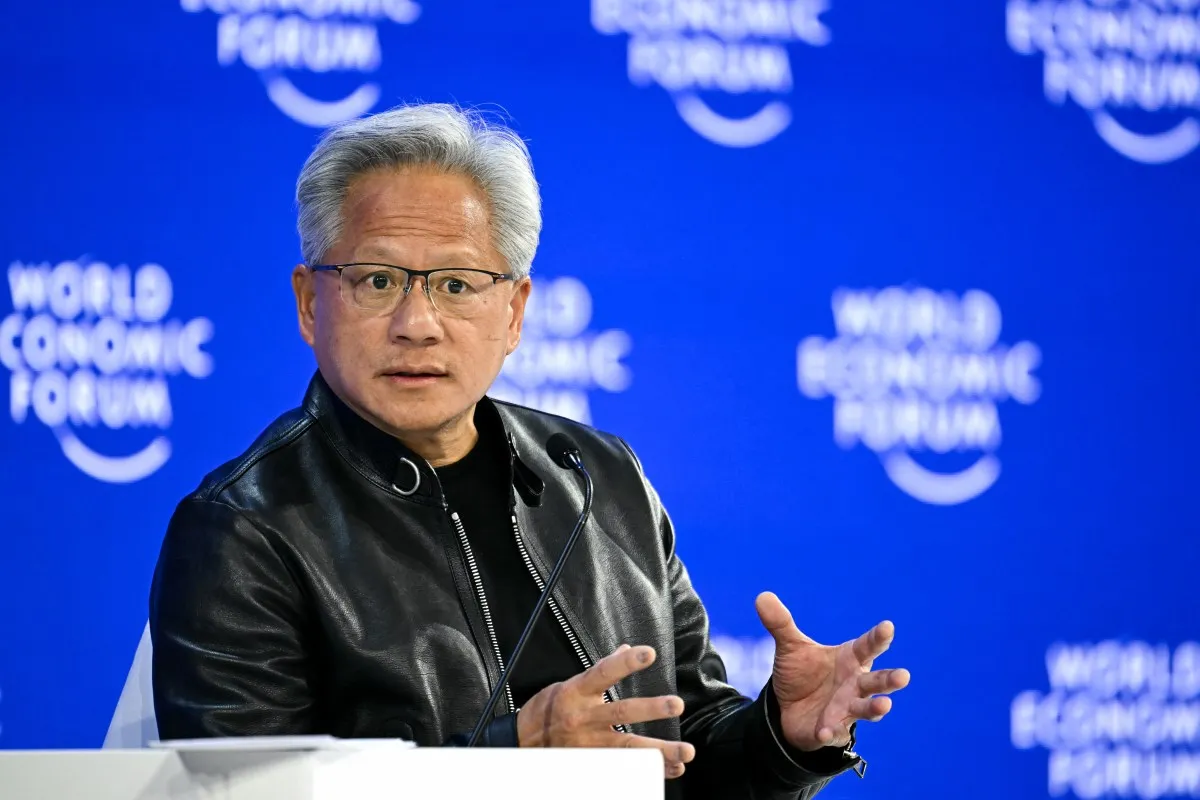
Considerations for the smart economy of 2026 are also relevant. When companies invest in AI agents for credit card transactions or pursue global AI dominance, as the US aims for with Jensen Huang's leadership at Nvidia, operational costs and efficiency often take precedence. This can be seen in the articles AI Agents for Credit Card Transactions: Will Crypto Be Marginalized in the 2026 Smart Economy? and Jensen Huang Returns to Lead Nvidia, US Eyes Global AI Dominance in 2026?. Meta's decision might reflect similar priorities.
Governments and global regulatory bodies are expected to re-evaluate corporate sustainability frameworks following Meta's decision. There is a possibility of increased scrutiny and emphasis on the transparency of sustainability reports to prevent 'greenwashing' or false promises that erode public trust.
Meta's decision, documented in its 2026 sustainability report, marks a critical turning point. This is not merely about one company, but a reflection of broader systemic challenges in realizing sustainability ambitions amid relentless pressures from economic growth and technological innovation.
Editorial Insight: Meta's decision to retract its 2030 net-zero target is a crucial signal for the entire industry sector, especially technology. It underscores that sustainability commitments require more than just ambitious declarations; they demand practical implementation that often clashes with operational and economic realities. The impact of Meta's move will likely trigger a re-evaluation of sustainability strategies across many companies, and potentially spark further discussion regarding stronger regulations and incentives to promote truly sustainable business practices, rather than mere pledges. This could also be an opportunity for Meta's competitors to seize leadership in sustainability.