 Stefani Rindus
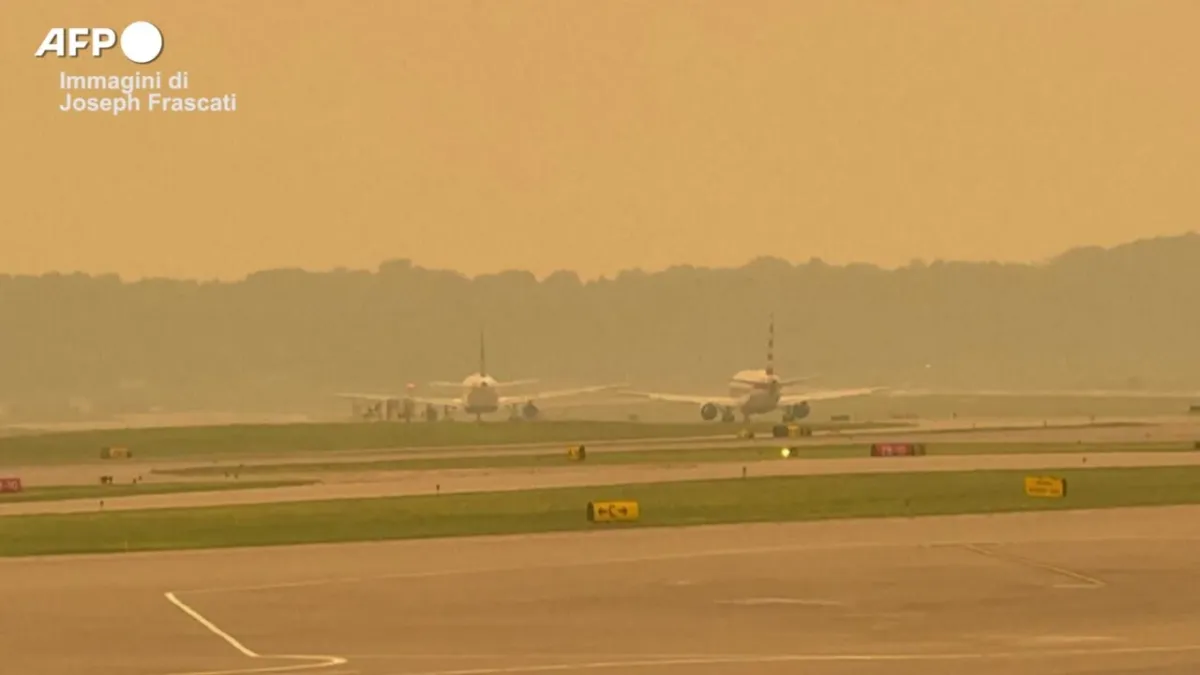
New York — The skies above metropolitan New York abruptly transformed into a dense orange palette, enveloped by a thick haze originating from massive wildfires in Canada. This striking phenomenon occurred in the early summer of 2026, raising serious concerns about air quality and disrupting urban activities, including flight operations at major airports.
This condition is not merely an unusual aesthetic sight but a clear indicator of a real health hazard. Visibility sharply declined, forcing several flights to delay or cancel schedules at John F. Kennedy International Airport (JFK) and LaGuardia Airport, as confirmed by local aviation authorities.
The primary source of this thick haze is the uncontrolled wildfires raging across eastern Canadian provinces, particularly Quebec and Ontario. Strong winds and unusual weather patterns carried smoke particles thousands of kilometers southward, directly impacting the heart of the United States.
In Toronto, Canada, the situation is even more alarming. The city recorded the worst air quality among major global cities during the same period. The Air Quality Index (AQI) reached hazardous levels, far exceeding the safe thresholds recommended by the World Health Organization (WHO).
The governments of New York City and the state promptly issued emergency health warnings. Residents are advised to limit outdoor activities, especially vulnerable groups such as children, the elderly, and individuals with respiratory conditions. The use of N95 or KN95 masks is strongly recommended when engaging in outdoor activities.
"We are facing an unprecedented situation in recent decades," stated New York City Mayor Eric Adams during a virtual press conference held last night. "The safety and health of our citizens are our top priority. Please adhere to all warnings and guidelines we have issued."
The impact of this smoke haze is widespread, affecting not only health but also the economy and social life. Stock markets on Wall Street reported a decrease in transaction volumes due to reduced mobility and visibility in the surrounding areas. Public transportation networks also experienced schedule adjustments.
Meteorological and climatological experts agree that the frequency and intensity of these extreme wildfires are closely linked to global climate change. Rising average temperatures and longer drought periods create ideal conditions for fires to spread rapidly and become difficult to control.
"This is a stark reminder of how crucial climate change mitigation efforts are," said Dr. Anya Sharma, a climate researcher from Columbia University. "If this trend continues, we will see more similar events with increasingly severe impacts in the future."
The Canadian government has deployed thousands of firefighters and sought international assistance to combat this disaster. However, the immense scale of the fires will require a long time to fully manage, leaving communities across eastern North America to brace for uncertain conditions.
Similar events have occurred before, but this year's scale and impact are far more significant. In previous years, wildfire smoke occasionally crossed borders, but never caused city skies to be as dense and murky as this time. This has become a global focal point.
Authorities are also considering long-term measures to protect residents from the effects of air pollution. One proposal involves installing more advanced air quality warning systems and intensive public education programs on self-management during smoke haze events.
The international community has shown solidarity. Several neighboring countries have offered assistance in terms of personnel and firefighting equipment, underscoring the cross-border nature of this environmental crisis. Collaborative efforts are expected to expedite management and recovery.
The iconic image of the Statue of Liberty vaguely visible behind the orange haze has become a visual symbol of this crisis, widely shared on social media and capturing global attention. These images serve as a bitter reminder of the vulnerability of major cities to extreme natural phenomena triggered by climate change.
As of this report, there is no significant indication that conditions will improve in the near future. Winds are predicted to continue carrying smoke southward, prolonging the hardship for residents and authorities battling the effects of the wildfires.
The government hopes the public remains calm but vigilant, follows news updates from official sources, and takes necessary precautions to protect their health and families. This crisis demands a swift and coordinated response from all parties.
This is not just about smoke haze, but also about the resilience of a megapolitan city in confronting increasingly complex environmental challenges in the modern era.