 Angela Stefani
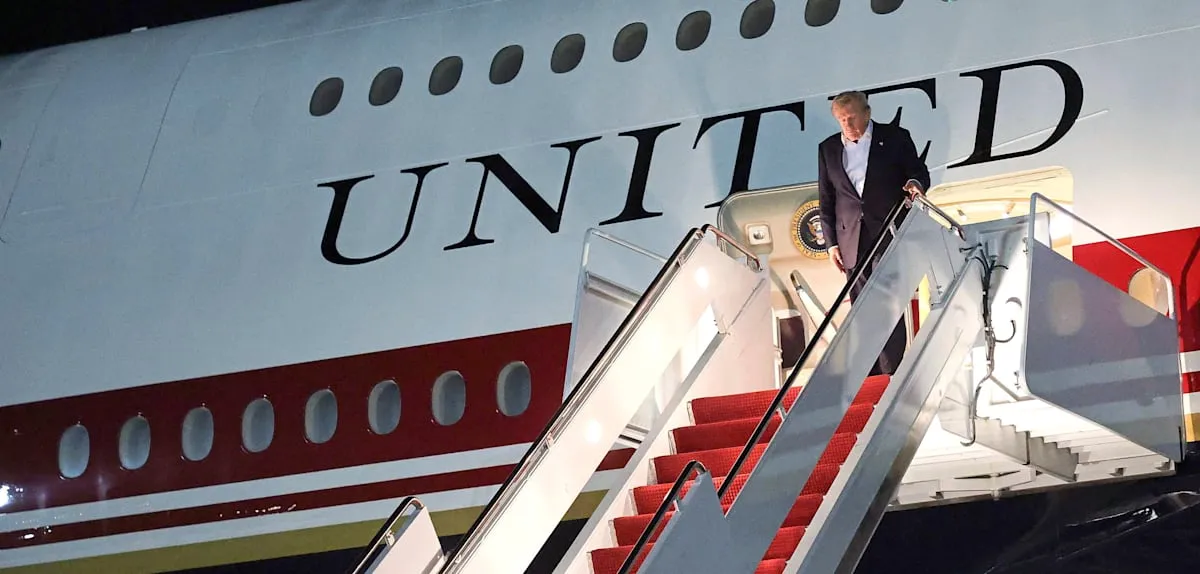
WASHINGTON — Prominent journalists from The New York Times have been summoned to testify before a federal Grand Jury, a significant move reigniting fierce debate over press freedom in the United States. This subpoena follows a series of investigative reports by the media outlet uncovering serious security concerns regarding an Air Force One aircraft allegedly donated by Qatar. This incident, rooted in actions taken by a previous administration, now highlights the enduring tension between national security interests and the public's right to vital information, with profound implications for the media landscape in 2026.
The Grand Jury investigation focuses on material published by The New York Times claiming security vulnerabilities in the operations of the special presidential aircraft. The report detailed potential system and protocol weaknesses that could be exploited, raising urgent questions about the integrity of United States air defense. This marks a critical point in the information struggle between the government and the media.
Internal sources indicate that the aircraft in question was a unit donated by the Qatari government to the United States during the leadership of President Donald Trump, as part of a broader diplomatic agreement. This donation, though claimed to be well-intentioned, sparked questions about potential foreign influence and the security standards applied to such critical strategic national assets.
The summoning of journalists before a Grand Jury is an extraordinary, rare action often perceived as an attempt to intimidate the press. Legal observers note that the government, through this avenue, seeks to compel the disclosure of confidential sources or information gathered during the reporting process, a practice that can chill the courage of investigative journalism.
This situation once again raises questions about the extent to which investigative reporting can be tolerated by the government in the context of national security. The constitutional powers protecting press freedom, as enshrined in the First Amendment, are now being tested amidst pressure to maintain the confidentiality of sensitive information. This case also recalls the importance of maintaining public trust in the government, a topic relevant to discussions on "Credibility in the Eyes of the Constitution 2026".
Press freedom organizations worldwide have expressed deep concern over these developments. They argue that any attempt to criminalize journalists for performing their duties is a direct assault on democratic principles and the public's right to accurate, verified information.
A spokesperson from the Committee to Protect Journalists (CPJ) commented anonymously, "Forcing journalists to reveal their sources before a Grand Jury creates a dangerous chilling effect. It eradicates public trust and prevents critical whistleblowers from coming forward to expose wrongdoing."
Although specific details about the nature of the alleged security breaches remain confidential, The New York Times' initial reports have sparked widespread debate among defense and aviation experts. Some are concerned that aircraft donations from foreign entities, regardless of intent, could introduce unforeseen vulnerabilities into highly critical security infrastructure.
The presidential administration in 2026, which is now pursuing legal action from a previous era, is under intense scrutiny to ensure that its actions do not disproportionately suppress press freedom. The decisions made in this case are likely to set a significant precedent for the relationship between media and government in the future.
Legal experts believe the Grand Jury will evaluate whether The New York Times or its sources violated laws pertaining to national security or the disclosure of classified information. This legal battle is anticipated to be a lengthy and complex process, with potential appeals reaching the highest courts.
United States history records several similar cases where the government sought to silence reporting deemed detrimental to national security. However, the strong tradition of press freedom has often successfully challenged such attempts, affirming the media's vital role as a watchdog over power.
This case also highlights the complexities of reporting on national security issues. Journalists are often faced with ethical dilemmas between the public interest to know and the potential risks that might arise from disclosing sensitive information.
Given the sensitivity of the reported information, the implications of this case extend far beyond the fate of the journalists involved. It is a test of the strength of America's democratic institutions in balancing the need for state secrecy with its citizens' fundamental right to information.
The Grand Jury's decision, or any subsequent legal charges, will send an important signal to the global journalistic community. Will reports exposing potential security vulnerabilities be lauded as a public service or punished as a threat to the nation?
Regardless of the legal outcome, the summoning of New York Times journalists has already left an indelible mark on the narrative of press freedom in 2026, reminding all parties of the cost of brave and transparent journalism.