 Gabriella
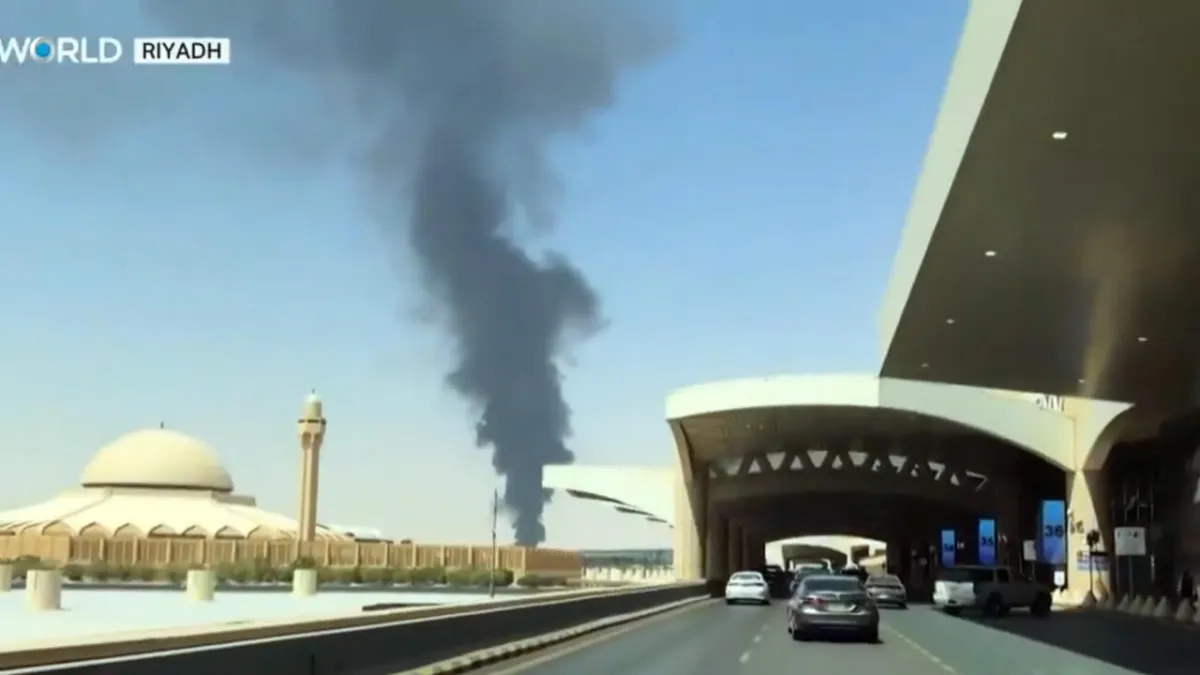
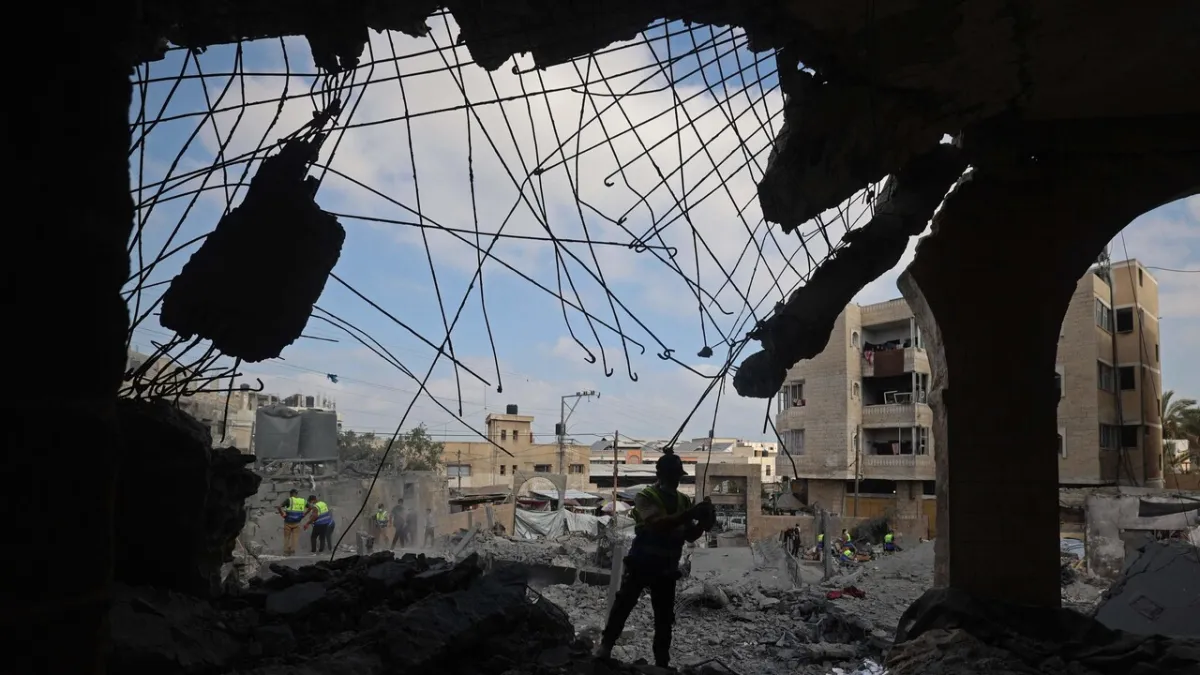
Riyadh, Saudi Arabia – The civilian airport in the Saudi Arabian capital, Riyadh, was targeted in an attack that resulted in thick smoke plumes and a series of explosions in 2026. This dramatic incident, which sparked global concern, was immediately claimed by the Houthi group from their base in Sanaa, Yemen. They vehemently stated they are not at war with Italy, yet the incident directly highlighted the presence of Italian fighter jets in the kingdom's territory.
The statement from Sanaa underscored the Houthi's disapproval of Italian jets' presence in Saudi Arabia. A spokesperson for the group emphasized that planes from Rome should not be there, a clear indication of escalating regional tensions involving external powers.
The attack on a vital facility like the capital's airport demonstrates the Houthi's capability to launch long-range assaults. This is not the first time Riyadh has been targeted by similar attacks from the group, which has repeatedly used ballistic missiles and unmanned aerial vehicles to strike military and civilian installations in Saudi Arabia.
The prolonged conflict in Yemen often spills over into Saudi Arabian borders. The Saudi-led coalition is actively involved in supporting the Yemeni government against the Houthi. The military presence of Western countries, including Italy, in Saudi Arabia is often within the framework of security cooperation or logistical support for the coalition.
Italy, as a NATO member and a strategic partner in Europe, has interests in regional stability, particularly concerning shipping lanes and energy supplies. However, its military involvement on the Arabian Peninsula has always been a subject of public and political debate domestically.
The Houthi's specific mention of Italy indicates their intelligence regarding Rome's military activities in Saudi Arabia. This could be an attempt by the Houthi to send a strong diplomatic message to European nations to withdraw their support from the Saudi-led coalition.
Dunia internasional mengamati situasi ini dengan cermat. Sekretaris Jenderal Perserikatan Bangsa-Bangsa, Pope Leo XIV, and various heads of state have called for de-escalation of the conflict and a peaceful resolution through dialogue. The continuous violence in the region has widespread humanitarian impacts.
This event also raises questions about the effectiveness of Saudi air defense systems in countering the evolving threat from the Houthi. Although Saudi Arabia possesses advanced defense technology, sporadic attacks have still managed to penetrate defenses and reach sensitive targets.
The Saudi Arabian government has not yet issued a detailed official statement regarding the damage or casualties from this latest attack. However, security responses and recovery efforts are believed to be underway, in line with international emergency protocols.
The situation in Yemen and Saudi Arabia remains a geopolitical flashpoint. The dynamics of the conflict involving regional and international actors, along with provocative statements like those issued by the Houthi, have the potential to alter the diplomatic landscape in the region.
Even though the Houthi state they are not hostile towards Italy, the implied threat against Italy's military presence in Saudi Arabia indicates the complexity of interstate relations amid the conflict's vortex. It also serves as a reminder that local conflicts have global implications that cannot be ignored.
A reaction from the Italian government is also anticipated. Any steps taken by Rome after this incident will be a significant signal for its position in the Middle East and its relationship with the Saudi coalition and non-state groups like the Houthi.
This condition adds to the long list of security incidents in the Middle East in 2026, demanding a more coordinated and effective diplomatic approach from the international community. Pressure to achieve a ceasefire and initiate a peace process in Yemen is becoming increasingly urgent.
Regarding similar incidents, it is important to recall the article Houthi Insists Italy Not an Enemy, But Its Planes in Saudi Raise Tensions which previously discussed similar tensions. Continuous analysis of Houthi attack patterns and statements is key to understanding potential escalation.
Editorial Insight:
The attack incident in Riyadh and the Houthi's warning to Italy underscore the fragility of security on the Arabian Peninsula and the potential for wider conflict involving foreign powers. The presence of foreign military, even in support missions, can become a target or a justification for armed groups to escalate attacks. A more refined diplomatic strategy is needed from the international community to pressure all parties to de-escalate tensions and pursue political solutions, before minor incidents trigger a larger confrontation.