 Chris Robert
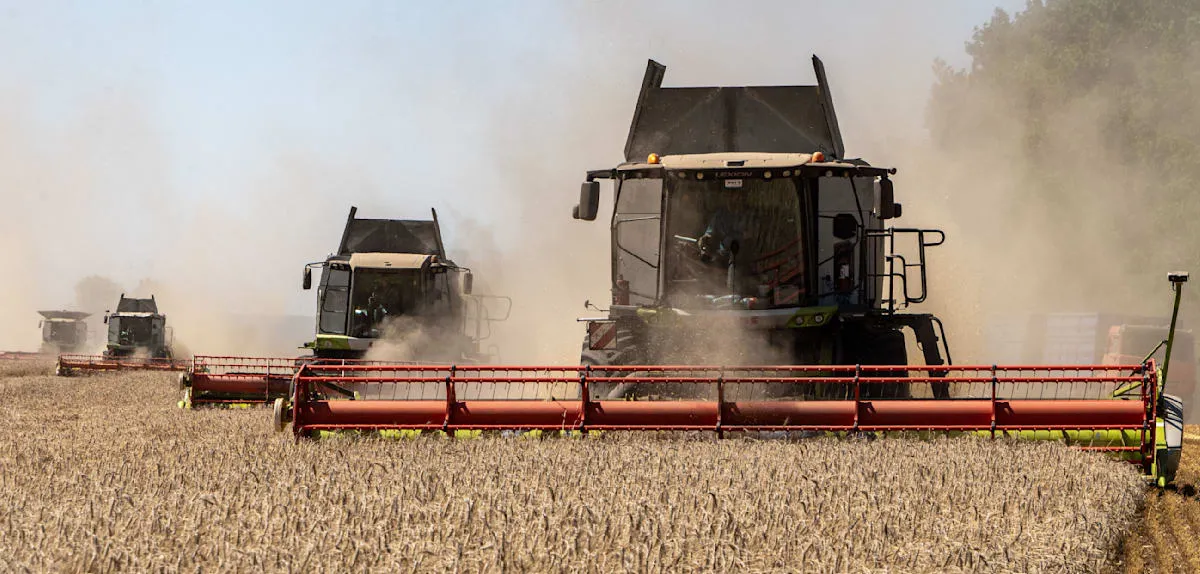
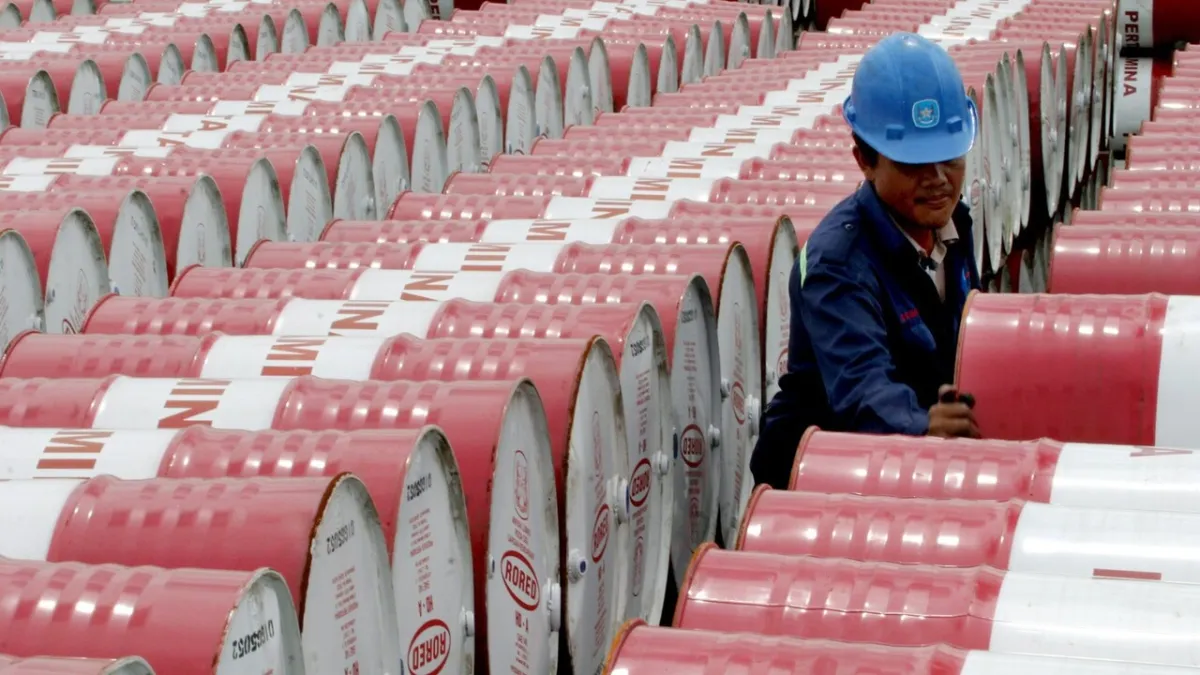
KYIV – Ukraine now faces a serious double dilemma in its efforts to export grain. The protracted conflict with Russia has entered a new alarming phase, as Moscow has again taken aggressive action by firing upon cargo ships in the Black Sea, effectively blockading vital export routes for food commodities. This move not only cripples Ukraine's economy but also reignites acute fears of a global food crisis in 2026.
The maritime blockade in the Black Sea is a severe blow to Ukraine, which has historically relied on this route to ship millions of tons of grain to international markets. Without safe access to Black Sea ports, the country's export capacity is drastically cut, leaving warehouses full of grain without distribution channels.
This situation is exacerbated by resistance from neighboring Poland. Although Ukraine attempts to reroute grain exports via land, Poland has firmly refused large-scale transit. Concerns about adverse effects on the domestic market and local farmers' prices are the main reasons for this refusal, creating another barrier for Ukrainian grain to reach global consumers.
This dilemma places Ukraine at a difficult crossroads. The sea blockade shuts down the primary access, while the refusal of land transit closes off the nearest alternative. Trapped grain stocks risk spoilage, leading to massive economic losses for a country struggling amidst conflict.
Consequently, Ukraine's last hope now rests on the Danube River route. This river offers an alternative corridor for grain shipments, albeit with significantly more limited capacity and substantial logistical challenges. Utilizing the Danube route requires more time and cost, and it is vulnerable to congestion and operational hurdles.
Furthermore, the Danube route is not entirely risk-free. The potential for disruption from conflicting parties remains a threat, both in terms of security and infrastructure. Any incident along the river could halt all operations, worsening export delays and diminishing Ukraine's chances of meeting market demands.
International economic analysts have warned of the spiraling impact of this crisis. Global food prices, already volatile, are expected to surge again. Developing nations heavily reliant on Ukrainian grain supplies will be the most affected, potentially triggering social unrest and political instability.
Russia's actions are widely seen as an attempt to weaponize food in the conflict. By crippling Ukraine's grain exports, the Kremlin seeks to pressure Kyiv's economy while creating destabilization in global markets. Such tactics have become a recurring pattern in Moscow's geopolitical strategy, often provoking strong responses from the international community.
The Kremlin blusters the world with such aggressive maneuvers, and each action has broader geopolitical implications. These acts of shelling and blockade not only target Ukraine but also challenge the global economic and food security order.
Organizations such as the UN Food and Agriculture Organization (FAO) are calling for immediate action to reopen safe export routes. They assert that food security is a human right and the use of food as a weapon of war is unjustifiable. However, concrete solutions remain elusive, given the complexity of the conflict and the actors involved.
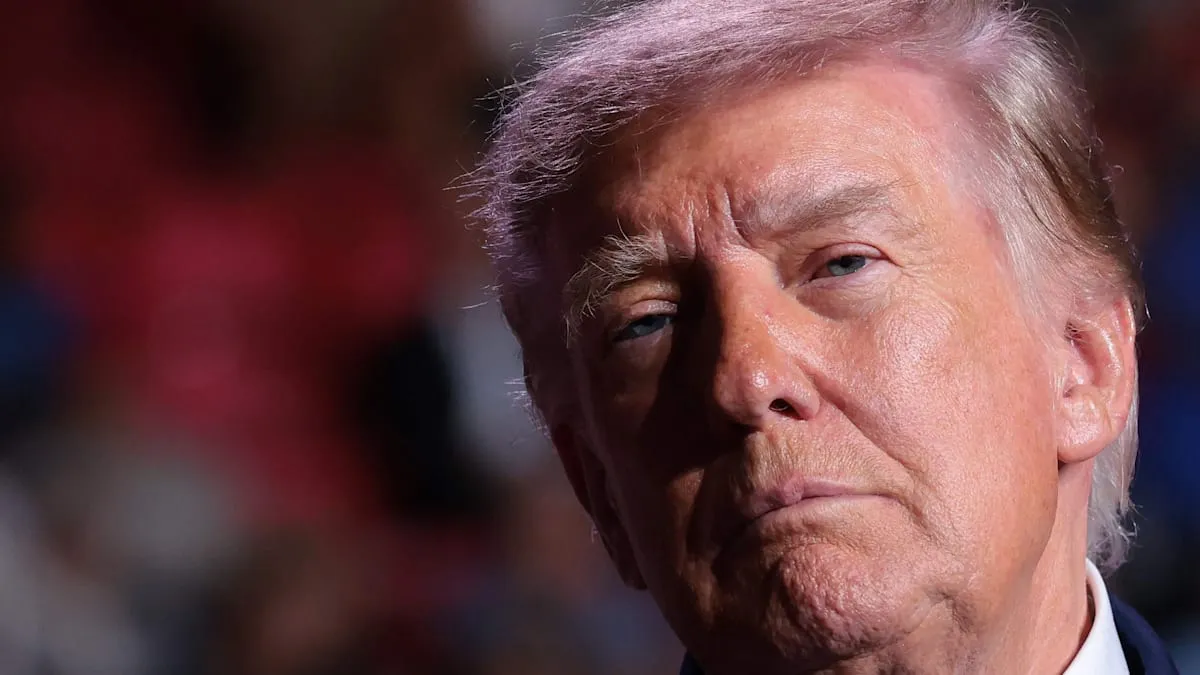
United States President, Donald Trump, through his spokesperson, strongly condemned these Russian actions. Washington expressed full support for Ukraine in finding solutions for grain exports, but details regarding practical intervention remain unclear. Meanwhile, the European Union is also seeking mechanisms to assist Ukraine, but coordination among member states continues to be a challenge.
Editorial Insight: The Ukrainian grain crisis is not merely an economic issue but a reflection of geopolitical complexities and the tangible impact of armed conflict on millions of lives. Russia's grain blockade and transit obstacles from Poland effectively create an intentional economic isolation of Ukraine. Without significant diplomatic and logistical intervention from the international community, this double dilemma has the potential to trigger widespread famine in various parts of the world and escalate global instability in 2026.