 Angela Stefani

MOSCOW — Russia's fuel crisis in 2026 has escalated to an unprecedented level of absurdity, bringing with it severe social and economic consequences. Citizens in various regions are now compelled to bring their own petrol for driving lessons, while endless queues at petrol stations have become a daily sight. In some localities, a significant surge in horse sales as an alternative mode of transport is a stark indicator of the gravity of the situation.
The phenomenon of driving students supplying their own fuel highlights the acute scarcity of petrol across the nation. Driving instructors report a drastic decline in course enrollment, as operational costs for vehicles have skyrocketed due to the difficulty in obtaining fuel. This situation impedes educational processes and the acquisition of driving permits, creating both bureaucratic and financial hurdles for the public.
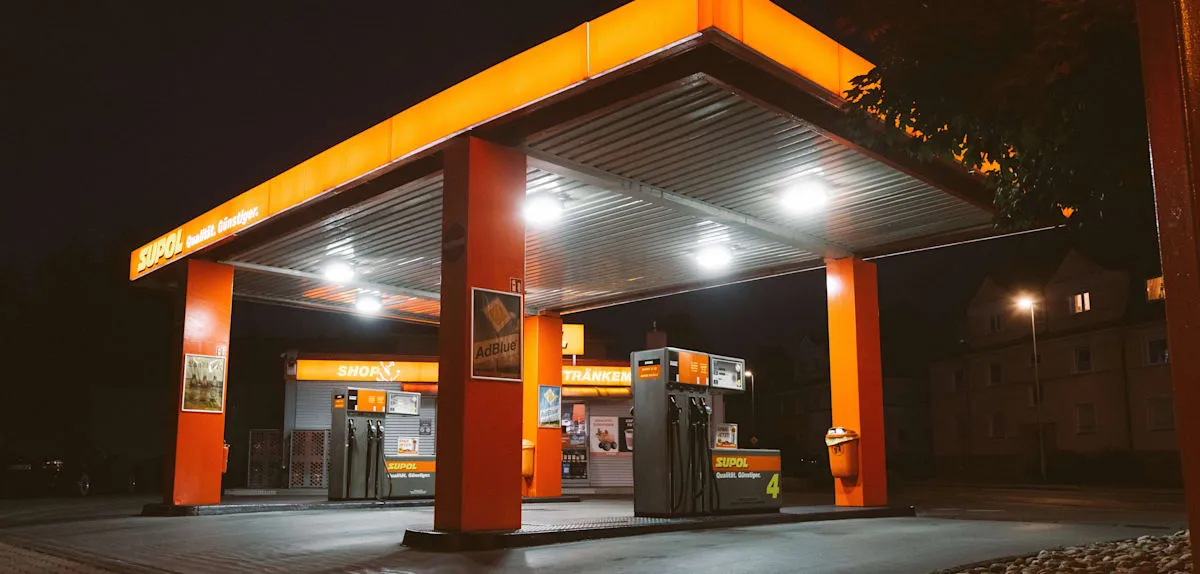
Long queues at fuel pumps are no longer an anomaly but a routine that consumes valuable public time. Drivers often spend hours, even days, waiting their turn to refill their vehicle tanks. This condition directly impacts economic productivity and the quality of life for Russian residents.
Ironically, amidst modernization, there has been a significant increase in horse sales in several rural areas. These animals are once again becoming the primary means of transport for desperate citizens seeking alternatives to motor vehicles. A stark contrast to Russia's status as one of the world's largest energy producers.
This crisis stems from a complex array of factors, including the impact of international sanctions, supply chain disruptions, and ineffective domestic policies in managing energy distribution. Ongoing geopolitical conflicts further complicate the situation, placing continuous pressure on Russia's energy sector.
Mikhail Khodorkovsky, a prominent former oil oligarch and vocal critic of the Kremlin, has expressed deep concerns regarding the government's policy direction. Khodorkovsky, who once led the oil giant Yukos, suggests that Putin might be choosing a dangerous path in addressing this crisis.
"The administration in Moscow appears to be ignoring the warning signs," Khodorkovsky remarked in a recent online interview. "If this crisis is not handled seriously and transparently, Russia's social and economic stability will be jeopardized."
Khodorkovsky's apprehension is not unfounded. History demonstrates that scarcity of vital commodities like fuel can trigger widespread social unrest and public dissatisfaction. This situation has the potential to erode the government's legitimacy in the eyes of its people.
The Russian government, through its Ministry of Energy, has repeatedly stated that it is working to stabilize fuel supply and distribution. However, to date, the concrete steps taken have not yielded significant results in alleviating the panic and hardships experienced by the public.
The impact of this fuel crisis is not limited to the transportation and economic sectors. The agricultural industry, heavily reliant on diesel-powered machinery, also faces immense challenges, potentially threatening national food security by the end of 2026.
International observers highlight that this crisis reflects the economic and political pressures confronting Russia. The situation also exposes the vulnerability of the country's energy system to external factors and suboptimal internal management.
Western governments continue to monitor the situation in Russia closely, especially considering its potential impact on global energy markets. Instability in Russia could affect global oil prices, creating widespread economic ripples. This situation is also relevant to discussions on power dynamics in Europe, as covered in a related article Germany Buys 400 Tomahawks: Alert to Russia, Europe's Balance of Power Shifts?.
In the context of geopolitical tensions, this crisis adds another layer of complexity. Some parties suggest that Moscow might take drastic measures to secure energy supplies, potentially escalating conflicts.
This situation also raises questions about Russia's capacity to maintain its status as a major energy exporter. If domestic needs are not met, exports could decrease, affecting vital state revenues.
Nevertheless, the official narrative from the Kremlin often attempts to downplay concerns, emphasizing that the situation is under control. However, the reality on the ground, evidenced by long queues and the phenomenon of horses as alternative transport, tells a different story.
The 2026 fuel crisis in Russia serves as a compelling case study of how geopolitical pressures and internal mismanagement can directly impact the daily lives of citizens. It also stands as a reminder of the importance of energy resilience for a large nation.