 Debby Wijaya
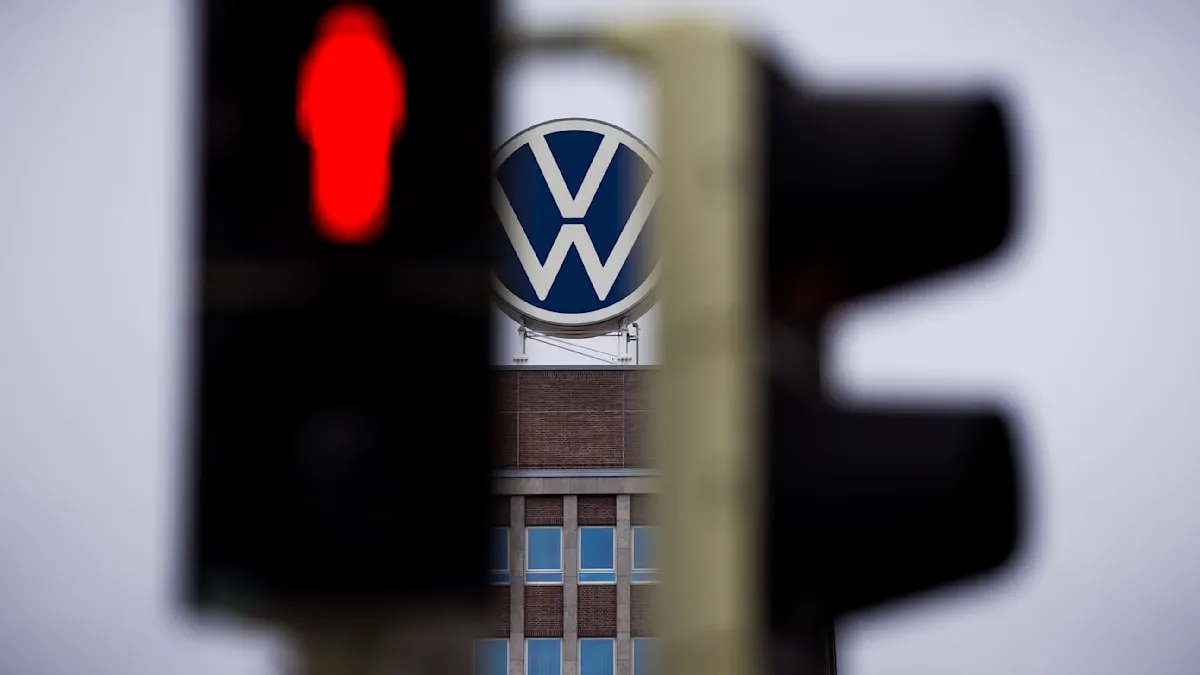
Wolfsburg — The Volkswagen (VW) Supervisory Board is currently engaged in crucial discussions regarding the implementation of a radical new business model, a restructuring initiative that threatens the dismissal of up to 100,000 employees across Germany. This strategic decision, potentially reshaping the employment landscape of the automotive giant in 2026, immediately triggered profound concerns and declarations of fierce resistance from labor unions.
Intensive deliberations at VW headquarters center on the company's adaptation efforts to rapidly changing global market dynamics, particularly the transition towards electrification and digitalization in the automotive industry. This extensive savings plan is believed to be a fundamental step to ensure Volkswagen's long-term competitiveness.
The threat of massive layoffs does not target a single division but extends to various production facilities and Volkswagen's head offices in different German states, including around its operational hub in Wolfsburg. Speculation regarding the scale of the layoffs has been widespread, causing significant uncertainty among tens of thousands of worker families.
The IG Metall union, representing a large portion of Volkswagen's employees, has unequivocally stated its opposition to the proposed workforce reduction of this scale. They affirm their commitment to exhaust all efforts to protect workers' rights and seek more humane alternative solutions.
"We will not stand idly by as tens of thousands of jobs simply vanish," stated a union representative in a press release issued this morning. "Every option, including demonstrations and strikes, will be considered if management does not show good faith in negotiations."
Germany's economic conditions in 2026, still adapting to post-pandemic challenges and energy inflation, make the prospect of such large-scale layoffs even more alarming. The automotive sector, as the backbone of the national economy, is expected to be a pillar of stability, not a source of uncertainty.
Volkswagen management had previously signaled the necessity of operational efficiency to fund substantial investments in electric vehicle technology and software. The company's CEO earlier this year targeted billions of euros in savings over the coming years.
The social and economic impact of these potential layoffs will not only be felt by individuals and working families but also by local communities surrounding VW plants. Restaurants, small shops, and other service businesses heavily depend on the purchasing power of company employees.
Volkswagen has a long history of facing restructuring, but the scale of the current threat is considered extreme. Market analysts believe global pressure from new competitors and shifting consumer preferences are forcing the company to take drastic measures.
This urgent situation calls for constructive dialogue among management, labor unions, and local governments. Finding a balanced solution between business sustainability and employee welfare is paramount.
The outcome of the Supervisory Board meeting is expected to determine Volkswagen's direction for the coming decade. The decisions made will affect not only the company's future but also thousands of lives in Germany.