 Dodi Irawan
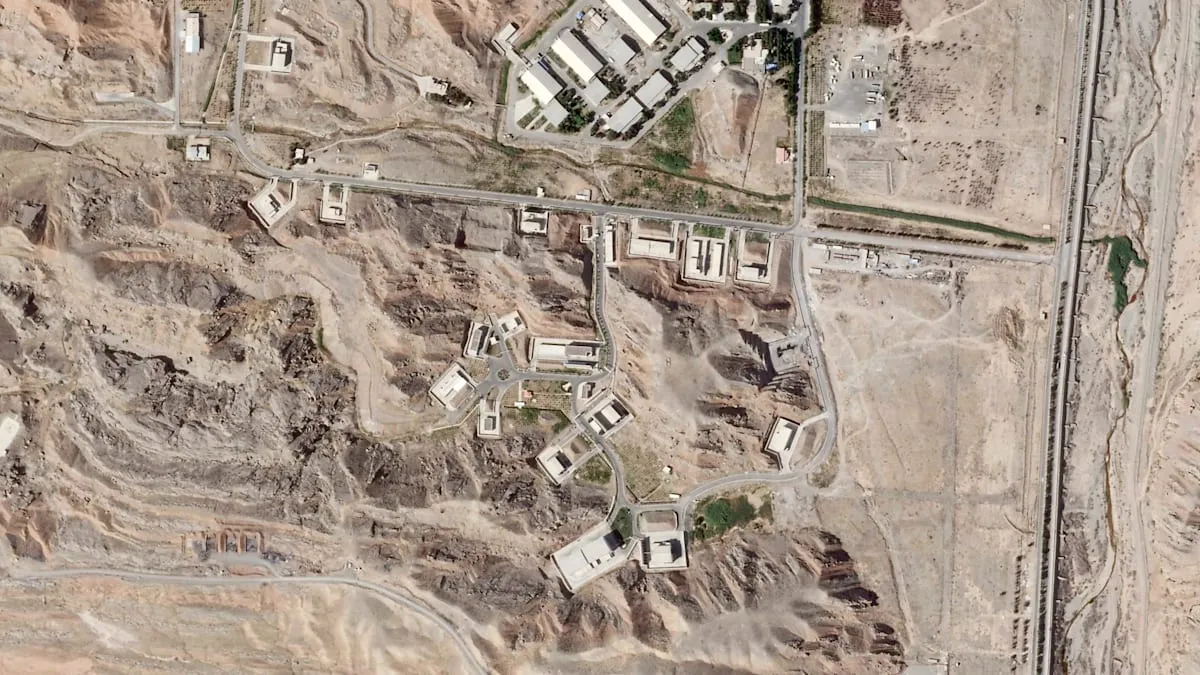
Parchin — Advanced satellite imagery analyzed by international researchers has revealed strong indications of permanent repairs and heightened activity at a vital military research facility in Parchin, Iran. This discovery immediately sparked speculation about an escalation of Iran's nuclear ambitions or secret weapons programs, which have long been under global scrutiny.
Experts from various institutions, meticulously monitoring geopolitical and security developments, highlighted the consistency of movements within the complex. They noted patterns of activity suggesting not merely routine renovations, but substantial efforts to repair or upgrade infrastructure capabilities.
Reports from the research team indicate that areas around the Parchin facility, particularly in the eastern part of the complex, show clear signs of new construction and significant earthwork. The movement of heavy equipment and construction materials is evident, hinting at a large-scale project currently underway.
Although Iran consistently denies accusations of nuclear weapons development and maintains its programs are purely for peaceful purposes, these satellite image findings have reignited the debate. The international community has long demanded greater transparency from Tehran, especially concerning suspected sites.
A regional security analyst, Dr. Arash Nouraee, stated, “This pattern of activity at Parchin closely resembles past indications when countries attempted to mask sensitive technology development efforts. Transparency is key, and Iran must grant full access to international inspectors.”
Notably, satellite monitoring of other Iranian military and nuclear facilities has not shown similar levels of anomalous activity. This further focuses attention on Parchin as a potential flashpoint for further investigation by oversight bodies.
The Parchin facility itself has a long history linked to nuclear concerns. The International Atomic Energy Agency (IAEA) has repeatedly tried to gain full access to the site in the past to investigate alleged experiments relevant to nuclear warhead development.
The Iranian government has not yet issued an official statement regarding these latest satellite image findings. However, previous experience suggests that Tehran tends to dismiss such accusations as Western propaganda aimed at damaging its reputation.
Amidst global geopolitical tensions in 2026, any signal regarding potential weapons proliferation carries significant implications. The credibility of intelligence information and satellite image analysis becomes crucial in shaping the foreign policies of major powers.
These developments could also impact ongoing discussions regarding the stalled Iranian nuclear deal. Diplomatic efforts to revive the agreement are likely to face new hurdles if concerns about Parchin continue to mount.
The global intelligence community is currently believed to be analyzing this data very closely, attempting to identify the precise nature of the repairs being undertaken and their implications for the regional and international security landscape.
This situation adds a layer of complexity to the dynamics of the Middle East, given Iran's significant role in the region. An increase in military or nuclear capabilities, even if only suspected, could trigger a chain reaction from neighboring countries.
The ambiguity surrounding the true purpose of the activity at Parchin underscores the need for open dialogue and independent verification. Without it, suspicions will continue to linger and potentially exacerbate the situation.
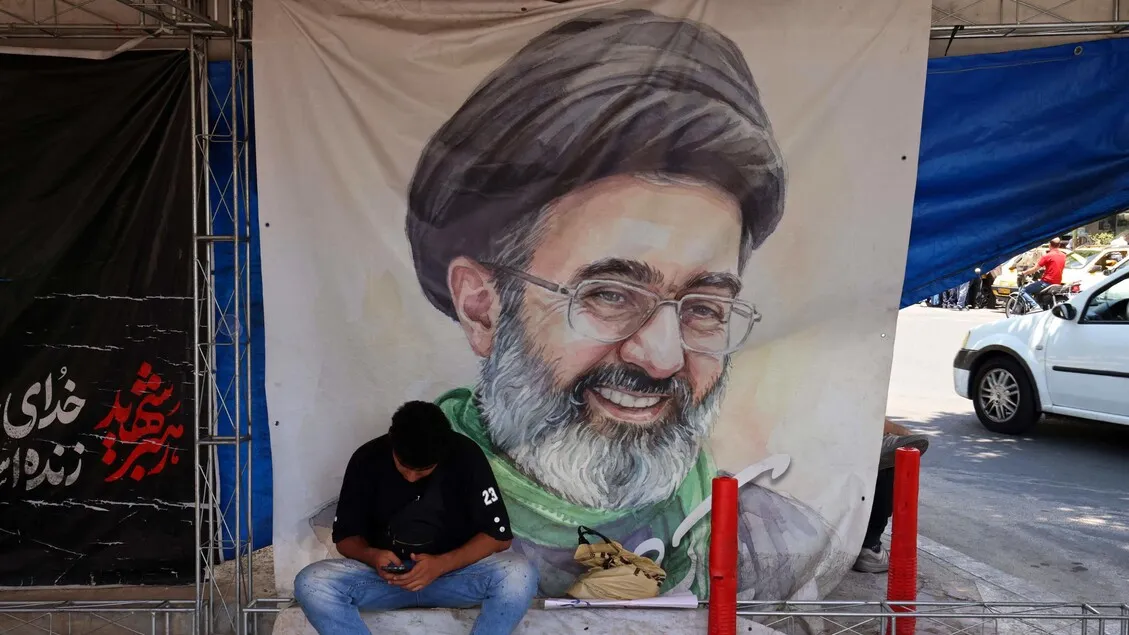
This issue also harks back to the political situation in Iran, especially following leadership succession dynamics. Researchers continue to monitor any indications of internal changes that might influence Iran's foreign policy direction. Wajah Misterius di Pemakaman Khamenei: Mojtaba Calon Pemimpin Terlihat?