 Dodi Irawan
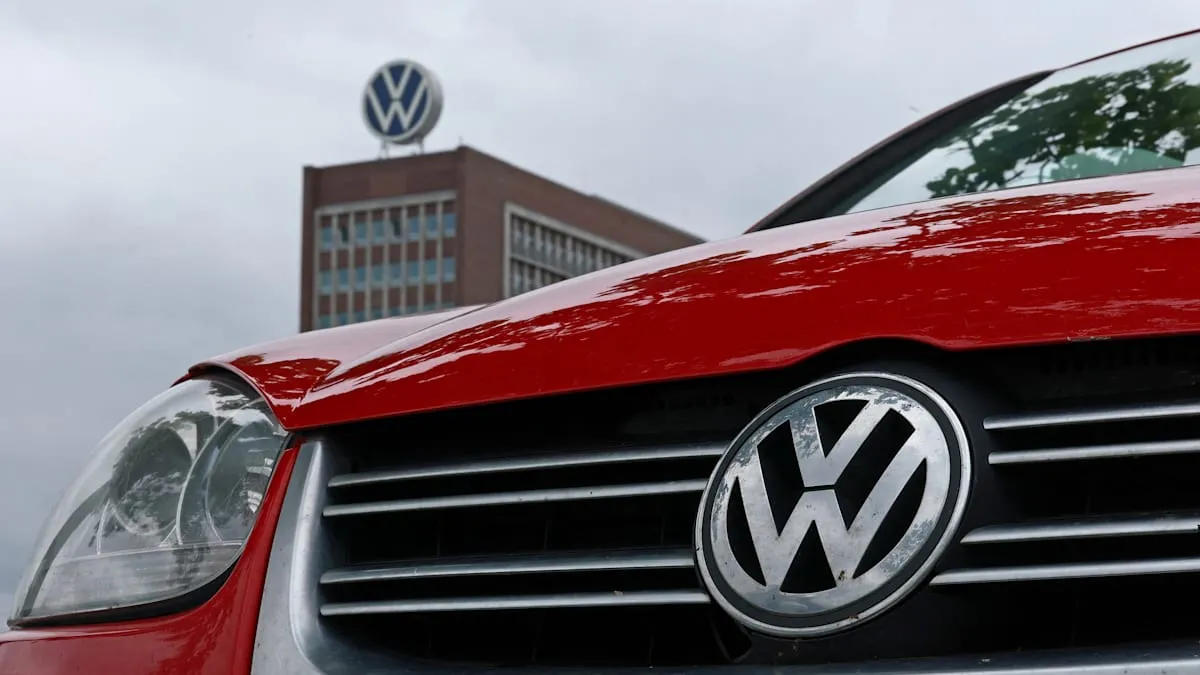
WOLFSBURG — German automotive giant, Volkswagen (VW), is implementing radical cost-cutting measures targeting a massive reduction in vehicle models by 2030. This policy has the potential to trigger internal turmoil and a power struggle, particularly regarding the issue of job cuts (layoffs) that has not been transparently discussed.
This strategic policy, announced in mid-2026, aims to streamline the company's operations and enhance efficiency in an increasingly competitive global market. The reduction in the number of models is projected to occur gradually over the coming years.
Christoph Kapalschinski, WELT's Business Editor, highlights a crucial aspect that has not been fully disclosed. According to him, discussions about how many jobs will be affected by this restructuring are still minimal. This presents a vulnerable point that could trigger serious tensions between management and labor unions.
“Really tough cost-cutting only works with consent. This is where the potential for a power struggle is highly threatening,” said Kapalschinski, underscoring the complexity of implementing this policy within the context of German industrial relations.
The decision to reduce product variants reflects VW’s effort to focus on its most profitable and relevant models in the transition era towards electric mobility. This is part of a larger strategy to optimize the company's resources and investments.
However, efficiency measures often directly correlate with impacts on the workforce. Labor unions at VW wield significant power, and any major layoff plan is likely to face fierce resistance, demanding fair and transparent negotiations.
Market analysis indicates that the global automotive industry is at a crossroads, where technological innovation and sustainability are priorities. Companies like VW must adapt quickly while maintaining their internal social stability.
A New Era for VW: Half of Models Vanish, German Concern Bets on the Future reflects Volkswagen's ambition to restructure its portfolio. Model cuts are seen as a crucial step to ensure long-term viability and profitability amidst global economic challenges.
Concerns about layoffs not only stem from within the company but also from the IG Metall union, one of Germany's largest labor unions. They have historically been steadfast in protecting their members' rights and opposing employee reductions without adequate compensation solutions.
This situation places VW management in a difficult position. They must balance the need for economic efficiency with social responsibility towards their thousands of employees. Complex and tough negotiations are anticipated in the coming months.
How VW navigates these challenges will be a critical test for the company's leadership and the German model of social partnership. The outcome of this 'battle' will determine not only the future of Volkswagen but could also set a precedent for other industries in the country.