 Demian Sahputra
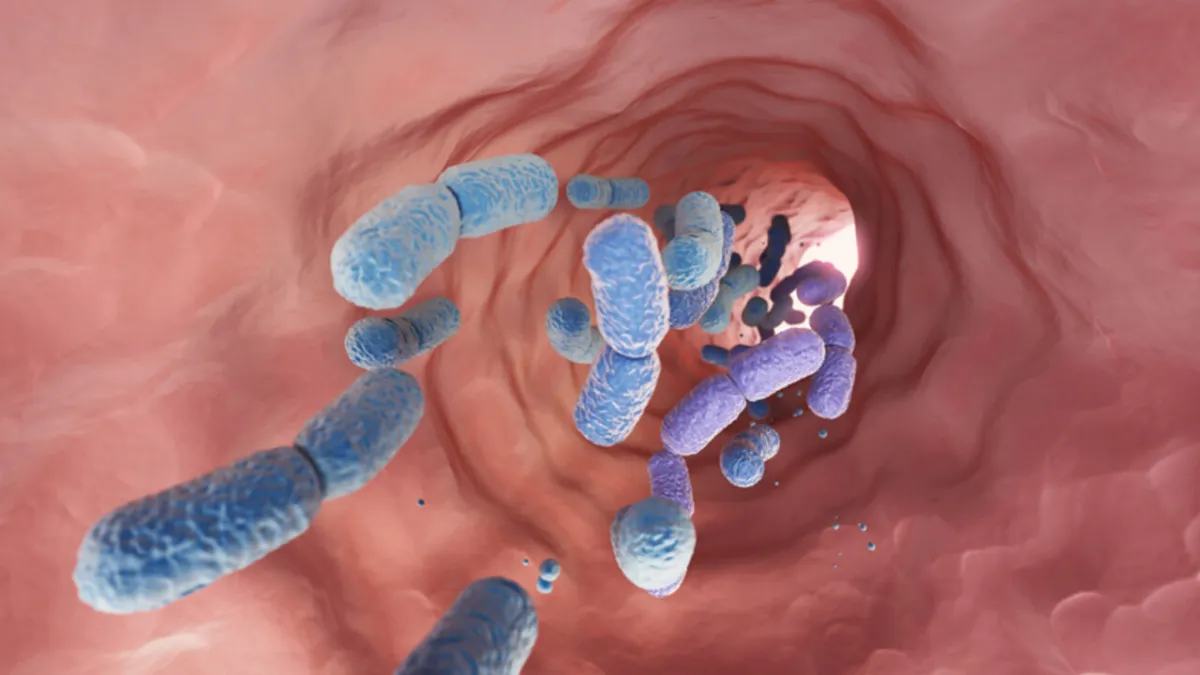
JAKARTA – A groundbreaking study released in early 2026 reveals a startling finding: excessive sugar consumption significantly exacerbates the damage caused by antibiotics to gut health. The research, published in a leading scientific journal, demonstrates how a high-sugar diet makes the beneficial bacteria within the gut microbiota more vulnerable, slowing down the recovery process post-antibiotic therapy and potentially triggering long-term health issues.
This discovery highlights the complex interplay between nutrition, medication, and the microbial ecosystem within the human body. For years, the primary focus in antibiotic use has been combating bacterial resistance, but now, the impact of diet on the efficacy and side effects of these treatments is beginning to receive serious attention from the medical community.
Researchers explained that sugar, particularly monosaccharides and disaccharides, can alter the gut environment. This change creates less favorable conditions for the growth and survival of probiotic or good bacteria, while simultaneously potentially providing nutrients for antibiotic-resistant pathogenic bacteria.
We observed that subjects undergoing antibiotic therapy with a high-sugar diet experienced a drastic decline in beneficial bacterial populations like Lactobacillus and Bifidobacterium, stated Dr. Amara Wijaya, a microbiologist and nutritionist from the National Institute of Medical Biology, who led the study. Their gut microbiota recovery process was also significantly slower compared to the group with limited sugar intake.
The vulnerability of these good bacteria impacts various crucial bodily functions. A healthy gut microbiota plays a vital role in food digestion, vitamin synthesis, immune system modulation, and even mental health. Prolonged damage can lead to chronic digestive problems, increased risk of secondary infections, and systemic inflammation.
The study involved hundreds of participants divided into several groups, monitoring their sugar intake during and after periods of antibiotic treatment. Analysis of fecal samples and metabolic profiles provided comprehensive data on changes in gut microbiota composition and function.
The implications of these findings are extensive, especially given the high prevalence of sugar consumption in modern diets and the frequent use of antibiotics. Many individuals might unknowingly be worsening the negative effects of antibiotics on their own bodies.
While antibiotics are revolutionary and often life-saving medical discoveries, this research underscores the importance of a holistic approach to treatment. It is not solely about eliminating bad bacteria, but also about maintaining the balance of the micro-ecosystem within the body.
Public education regarding the importance of diet during antibiotic treatment is crucial, added Dr. Wijaya. Patients need to understand that their food choices, especially sugar intake, can influence how well their bodies recover from illness and the effects of antibiotics.
Nutrition experts recommend limiting the consumption of sweet foods and beverages, including soft drinks, candies, cakes, and processed foods high in sugar, especially when undergoing or having recently completed a course of antibiotics. Replacing these with fiber-rich foods such as fruits, vegetables, and whole grains can support the growth of beneficial bacteria.
Editorial Insight: This finding opens a new chapter in our understanding of drug-lifestyle interactions. Amidst the global crisis of antibiotic resistance, such research increasingly confirms that solutions lie not only in developing new drugs but also in modifying behavior and dietary habits. Governments and the food industry have a critical role in promoting healthy diets and reducing sugar content in processed products, thereby supporting treatment effectiveness and public health resilience in the future.