 Chandra Wijayanto
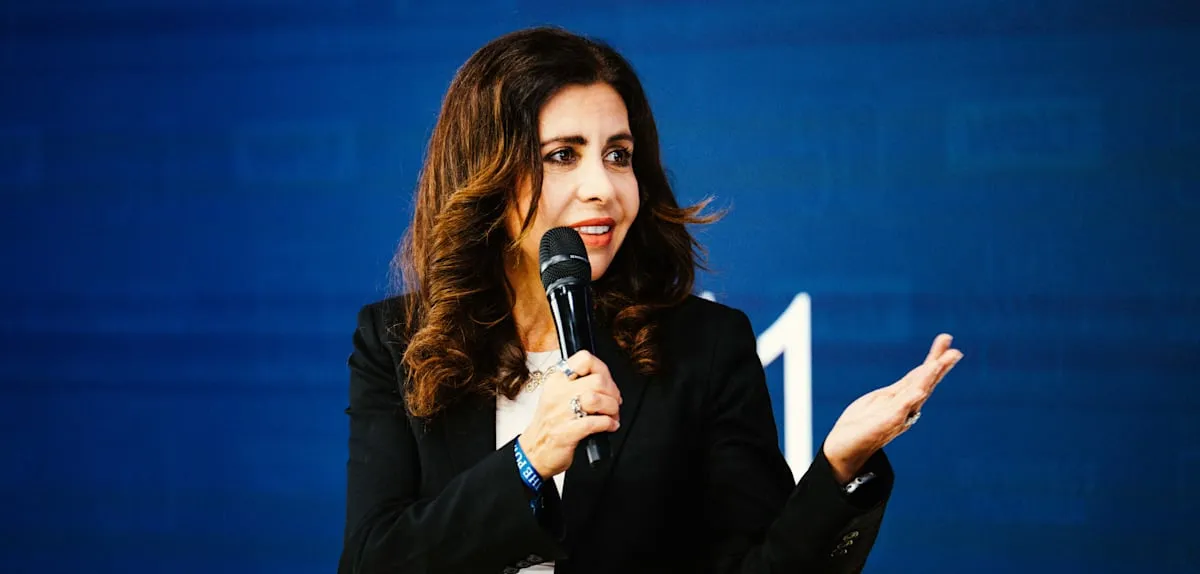
BERLIN – A striking declaration has emerged from the heart of the global tobacco industry. Oezlem Dikmen, head of Philip Morris for Germany, has vocally expressed her desire to witness an era where the last Marlboro cigarette is lit. This radical statement was made in Germany, signaling a paradoxical shift in the narrative of tobacco companies, with the primary objective of ending smoking habits among the public.
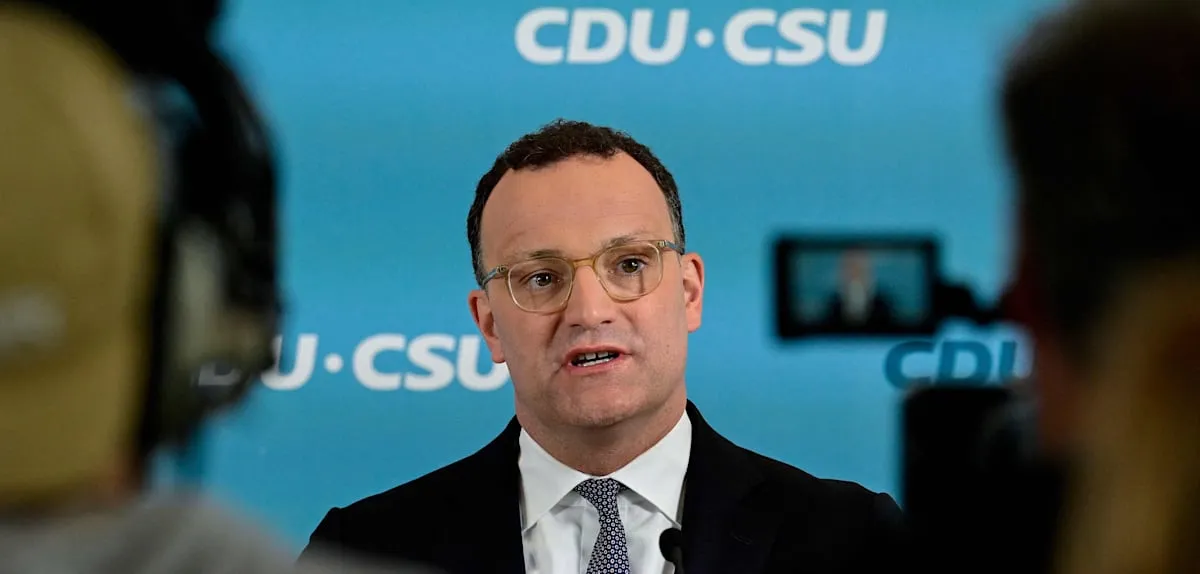
Dikmen, who leads one of the world's giant tobacco branches, aims to 'break people of the smoking habit'. This is not mere rhetoric; she plans to seek direct dialogue with Hendrik Streeck, a prominent drug commissioner in Germany.
This ambition raises crucial questions about the future direction of Philip Morris International, a conglomerate widely known for its conventional tobacco products. How can a company whose profits depend on cigarette sales actually hope for the demise of its core product?
Philip Morris's track record in recent years indeed shows diversification efforts towards alternative tobacco and smoke-free products. However, Dikmen's statement feels more resolute and ambitious, as if signaling a full commitment to a 'smoke-free world' vision.
The global tobacco industry has faced intense regulatory pressure and public health campaigns for decades. Many countries, including Germany, have imposed bans on cigarette advertising, raised excise duties, and restricted smoking areas.
These pressures have driven companies like Philip Morris to invest heavily in research and development of new products, such as heated tobacco devices or e-cigarettes, which are claimed to have lower health risks compared to conventional cigarettes.
Oezlem Dikmen's statement could be the culmination of the industry's strategy to adapt to the changing health and regulatory landscape. It is an attempt to position itself as part of the solution, rather than the problem, in public health issues.
Public and stakeholder reactions to Dikmen's statement will certainly be varied. Public health advocates might welcome it as a step forward, while investors might question the long-term implications for the business model.
The proposed dialogue between Dikmen and Hendrik Streeck will be a crucial moment. This meeting has the potential to pave the way for unexpected collaborations between industry and government in efforts to mitigate health risks from smoking.
This strategic shift also indicates that even traditional tobacco companies recognize consumer and global societal demands for healthier lifestyles. This is not just a trend but a fundamental paradigm shift.
Challenges in eradicating smoking habits are also intertwined with other complex issues, such as the proliferation of illegal cigarette scandals rocking Berlin. Dikmen's efforts to dialogue with authorities might also touch upon law enforcement aspects related to tobacco product circulation.
Although this ambition seems noble, its realization will face significant hurdles. The company must convince consumers to completely switch from conventional cigarettes or quit smoking altogether, while maintaining profitability amidst the transition.
This move is expected to be part of Philip Morris International's major agenda for the coming decade, in line with global pressure to reduce the negative health impacts of tobacco.
The big question remains: can this tobacco giant truly initiate the extinction of the very product that has been the backbone of its business? Only time and consistent strategy implementation will tell.
Editorial Insight: Oezlem Dikmen's statement is more than just a public relations exercise. It reflects a deep strategic shift within the tobacco industry, driven by regulatory pressures, global health awareness, and alternative product innovation. If implemented consistently, this vision could significantly alter the public health landscape, despite immense challenges in balancing profitability with a health mission. The audacity of this declaration warrants close observation as an indicator of a new, more responsible, or at least adaptive, direction for capitalism.