 Edward DP Situmorang
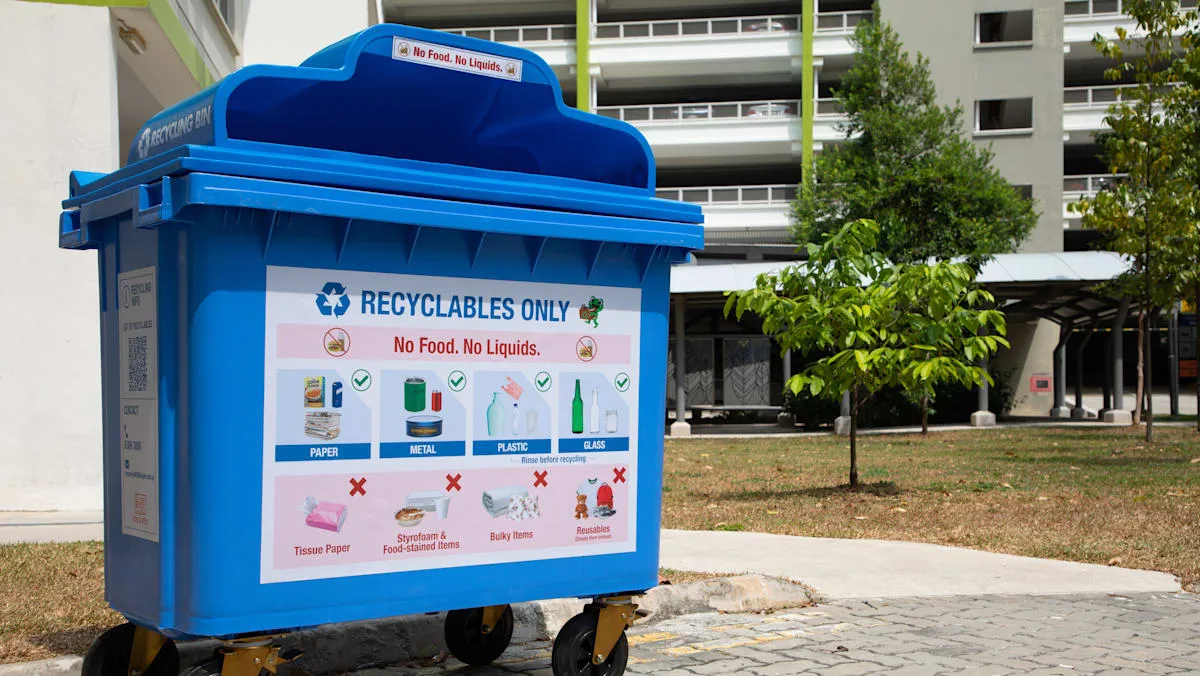
SINGAPORE – Aggressive governmental efforts and public initiatives are scripting a new chapter in waste management across Singapore. Through the Beyond the Bin program, Mediacorp and CNA are extensively educating the public in 2026 about the extraordinary potential of recycling. This initiative not only encourages citizens to reduce waste but also transforms the perception that waste is a valuable resource capable of making significant contributions to the city-state's environmental sustainability and economy.
The Beyond the Bin program emerges as a progressive response to increasingly complex urban waste challenges. This multi-platform initiative is designed to thoroughly explore and explain what can be recycled, from used cardboard boxes to household air conditioning units, and guide the public on where these items should be properly channeled for effective recycling processes.
The core essence of this campaign lies in its emphasis on the 3Rs philosophy: Reduce, Reuse, and Recycle. The Reduce concept encourages citizens to minimize consumption and waste generation from the outset. Reuse promotes repurposing items before disposal, while Recycle serves as a bridge to process waste into new, economically valuable products.
For Singapore, a city-state with limited land and a dense population, waste management is not merely a cleanliness issue but a vital foundation for survival. Ever-increasing waste accumulation can burden landfill capacities, such as the Semakau Landfill, which is projected to reach its limit within decades. Therefore, comprehensive recycling initiatives are crucial to extend the lifespan of this essential facility.
Beyond the Bin actively provides detailed guidance. For instance, cardboard and paper can be deposited into blue recycling bins available in every residential area or shopping center. For large electronic items like air conditioners or refrigerators, specific collection schemes or verified e-waste collection points have been established to ensure responsible handling of hazardous waste.
Public participation is key to the success of this initiative. Residents are urged to segregate their household waste into dry (recyclable) and wet (non-recyclable) categories. Easily accessible communal recycling bins and educational campaigns in schools and communities are the primary drivers in instilling sustainable habits from an early age.
Singapore's history demonstrates a long-standing commitment to the environment. Since previous decades, various programs like Plastic Bag Free Day and cleanliness campaigns have successfully raised public awareness. Beyond the Bin continues this legacy, strengthening recycling infrastructure and expanding the scope of materials that can be reprocessed.
The success of this program is inseparable from the full support of the Singapore government through the National Environment Agency (NEA) and relevant ministries. Pro-environmental policies, including regulations on Extended Producer Responsibility (EPR) for electronic waste and packaging, create a conducive ecosystem for companies and the public to actively participate in the circular economy.
Singapore's long-term vision is to become a Zero Waste Nation by 2030, an ambitious goal that requires synergy from all segments of society. With a holistic approach, including technological innovation in waste processing and continuous education, the nation is determined to build a greener and more sustainable future for generations to come.
Initiatives like Beyond the Bin also align with the global agenda for 2026 for climate change mitigation and the achievement of the UN Sustainable Development Goals (SDGs). Singapore demonstrates its leadership in Southeast Asia by implementing best practices that can serve as an example for other countries in tackling the waste crisis and promoting an environmentally friendly lifestyle.
Editorial Insight: The Beyond the Bin initiative is more than just a regular recycling program; it is a narrative of adaptation and innovation amidst limitations. Singapore's success in transforming public perception of waste into an asset will heavily depend on consistent education and easy access to recycling facilities. This step not only reduces environmental burden but also has the potential to create new jobs and foster a resilient circular economy amidst the global challenges of 2026.