 Angela Stefani
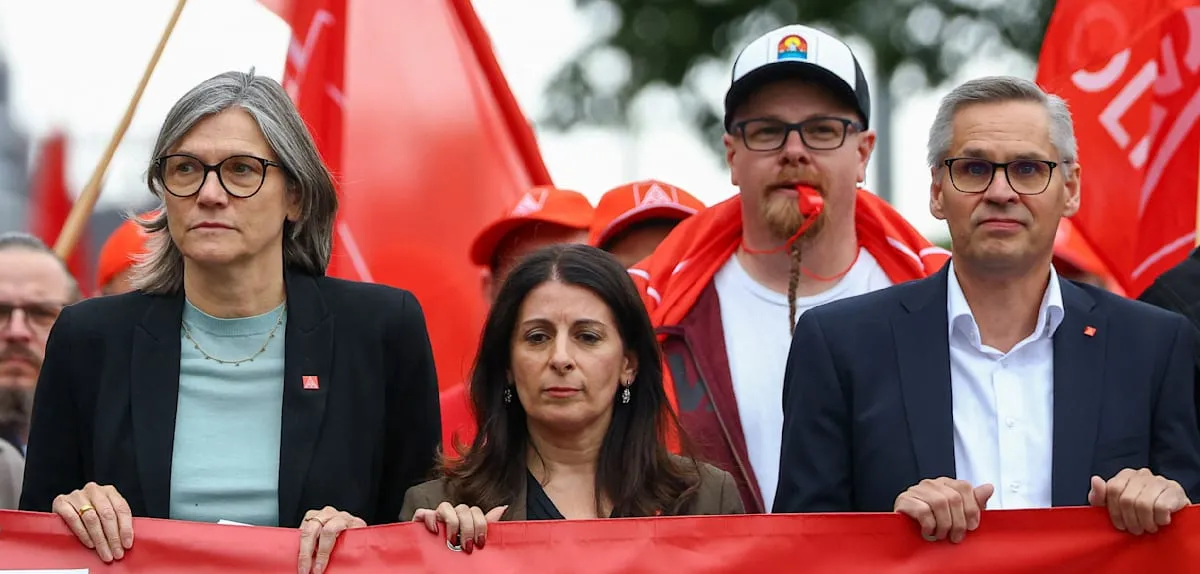
WOLFSBURG — The internal conflict within the German automotive giant, Volkswagen (VW), escalated in early 2026. The Worker Council (Betriebsrat) openly accused company management of acting “unethically and disrespectfully” after radical plans to slash half of its car models and reduce its workforce were presented without crucial numerical details. A key manager was given a 24-hour ultimatum to provide a comprehensive explanation for this controversial policy.
VW's ambitious plan to restructure its product portfolio includes significant cuts that could reduce the number of models from dozens to roughly half. This move, according to management, is essential for increasing efficiency and focusing on electric vehicles, but it has not been accompanied by transparency regarding the direct impact on thousands of employees.
The reaction from the Worker Council, representing the voice of thousands of employees, was very strong. They expressed outrage at management's approach, which they deemed arrogant and disregardful of employee welfare. Clarity on the exact number of positions to be eliminated became a primary, unmet demand.
“This is a form of indifference that we cannot tolerate,” stated Daniela Cavallo, Chair of the VW Worker Council, in a press statement in Wolfsburg. “We demand full transparency and detailed explanations regarding every figure that will affect the future of our workers. This 24-hour ultimatum is proof of our seriousness.”
This conflict reflects the immense pressure facing the global automotive industry in 2026, including the transition to electric mobility, fierce competition from Asian manufacturers, and global economic uncertainty. VW, as one of the market leaders, is striving to maintain its competitiveness through operational efficiency.
However, these efficiency efforts risk triggering a wave of mass layoffs (PHK) that will have serious repercussions for communities around VW's factories in Germany. The company's reputation as one of the largest employers is also at stake amid these tensions.
VW's history has indeed been marked by dynamic relationships between management and labor unions. Often, resolutions were achieved through tough negotiations, but this time, the scale of model cuts and lack of information have sparked a different level of anger.
The Worker Council specifically demands substantial renegotiation, not just unilateral notification. They request full access to the data and financial projections underpinning the decisions to cut models and reduce staff, a step they believe will ensure fairness.
The 24-hour ultimatum to the manager responsible for presenting this plan marks the climax. The Worker Council expects a convincing personal explanation and concrete proposals for mitigating the impact of layoffs before taking further action.
Should the ultimatum not be met, the Worker Council has hinted at taking more assertive actions, including potential strikes or large-scale demonstrations, which could paralyze production and significantly harm VW.
This crisis also highlights VW's strategic dilemma: how to balance the need for rapid adaptation to market changes with maintaining social commitment to its employees. Large-scale model cuts can save costs but also risk reducing the brand's appeal to consumers seeking variety.
This situation adds to a list of challenges for Volkswagen, which previously faced existential pressures. For further context, the public can read previous reports on The Existential Threat to Volkswagen: Mass Layoffs and Closure of Four German Factories.
Several industry analysts believe this conflict is a test of leadership for VW's board in navigating this transformative period. Their ability to communicate effectively and find fair solutions will be crucial for the company's stability.
VW management, through its spokesperson, stated that it would review the Worker Council's demands seriously and is committed to continuing constructive dialogue. However, there are no clear indications yet of substantial changes to the initial plan.
The future of tens of thousands of workers and VW's strategic direction amid global automotive industry turbulence will heavily depend on how this conflict is resolved. A peaceful and just resolution is the hope of all parties.
Without a swift agreement, the crisis of trust between management and employees could worsen, leading to long-term impacts on employee morale, productivity, and Volkswagen's image in the global market.
Thus, all eyes are on Wolfsburg, awaiting the next steps from VW management and the Worker Council, which will determine the fate of one of Germany's industrial icons in the first half of 2026.