 Angela Stefani
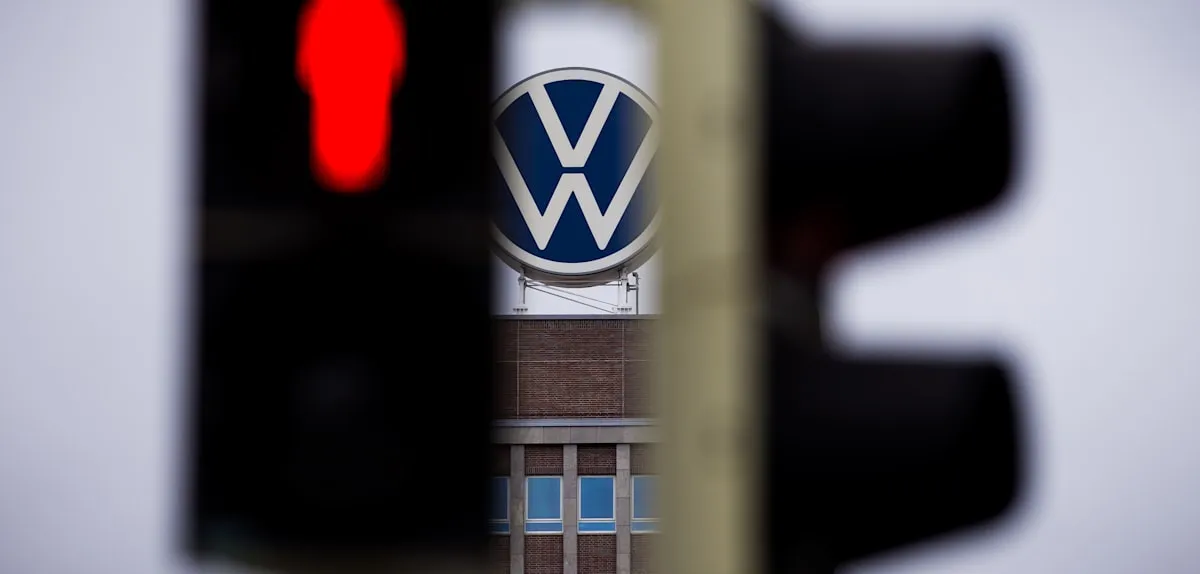
WOLFSBURG — German automotive giant, Volkswagen, is facing a crucial moment in early 2026 following threats of mass layoffs for one hundred thousand employees and the potential closure of four production plants. This strategic decision emerged as the company's supervisory board engaged in intensive, closed-door discussions regarding massive savings plans, immediately triggering a wave of protests from workers who firmly reject the policy.
Employees from various Volkswagen production lines across Germany are now in a state of uncertainty. They are expressing strong rejection of restructuring measures perceived as jeopardizing the livelihoods of thousands of families. Demonstrations have taken place at several strategic locations, demanding transparency and assurances about their future.
The savings plan, known as "Sparpläne", is management's response to global economic pressures and increasingly fierce competition in the automotive industry. Volkswagen argues that operational efficiency is absolutely necessary to maintain the company's competitiveness in a volatile global market, especially during the transition to the era of electric vehicles.
"We will not accept this!" shouted a representative of the labor union in front of the main plant gate in Wolfsburg, echoing the sentiment of thousands of colleagues. "One hundred thousand jobs are not just numbers on paper; they represent lives, families, and futures at stake. We demand honest dialogue, not an ultimatum."
On the other hand, the supervisory board, comprising representatives from management, labor unions, and shareholders, faces a complex dilemma. They must balance the demands to protect employee interests with the imperative to maintain financial stability and the company's long-term prospects. Discussions are reported to be tough, reflecting the complexity of the issues at hand.
This situation also reflects the broader economic conditions in Germany in 2026. Recent data indicates a slowdown in economic growth and persistent inflationary pressures weighing on the industrial sector. This less conducive business environment exacerbates the position of large companies striving for efficiency. The country's fiscal challenges, highlighted in the article Germany Choked by High Taxes: CDU Urges Coalition to Immediately Cut Fiscal Burden, further complicate recovery efforts.
The impact of the potential closure of four Volkswagen plants will be felt far beyond direct employees. Local communities around these factories are highly dependent on Volkswagen's operations, both in terms of employment and regional economic turnover. The loss of these plants could trigger a damaging domino effect, including increased unemployment and significant decreases in local revenue.
Historically, Volkswagen has been known as one of Germany's post-war economic pillars, with a philosophy that highly values employee welfare and social stability. Therefore, drastic measures such as these mass layoffs represent a rare precedent and cause deep concern among the public and politicians.
The final decision of the supervisory board is expected to have long-term implications not only for Volkswagen but also for the entire European automotive industry. Market analysts predict a wave of similar restructuring in this sector if economic pressure trends continue, pushing manufacturers to seek leaner business models.
All parties hope that the best solution can be found, one that not only ensures the company's survival but also minimizes the negative impact on workers who have dedicated their efforts for many years. The future of Volkswagen, and its tens of thousands of employees, now stands at a critical crossroads determining the direction of the German automotive industry.