 Demian Sahputra
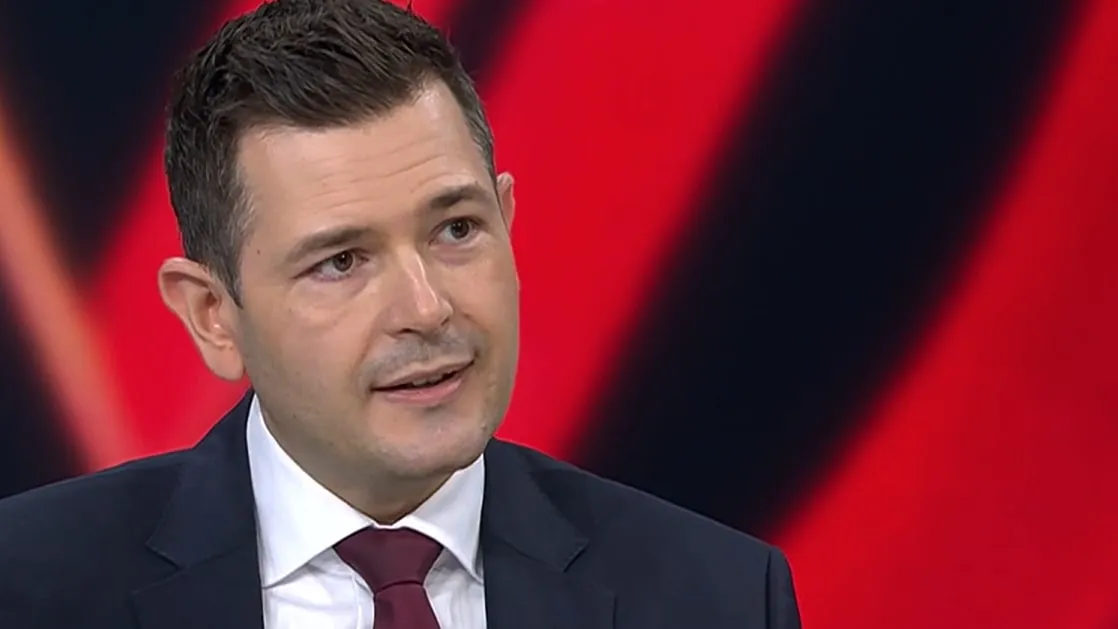
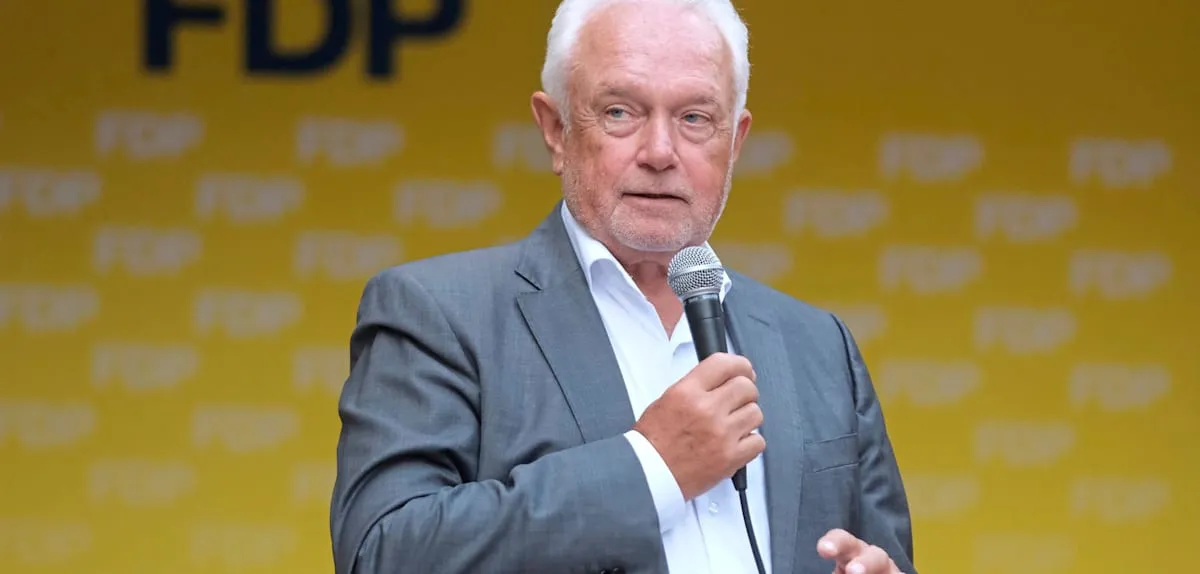
BERLIN — Ambitious savings plans announced by automotive giant Volkswagen in 2026 have triggered a wave of profound concern across various parts of Europe. This restructuring program, aimed at cutting operational costs, potentially threatens thousands of job positions, inciting existential anxieties among employees and communities dependent on the automotive industry. This situation has prompted politicians like Tobias Vogt, Chairman of the CDU State Parliamentary Group of Baden-Württemberg, to call for intensive pressure on institutions in Brussels.
This threat of mass layoffs comes amidst a challenging global economic landscape in 2026, where fluctuating inflation and interest rates (as seen in rising mortgage rates in some European countries) burden consumer purchasing power and the automotive market. Volkswagen, like many other manufacturers, faces monumental costs for the transition to the electric vehicle era and intense competition from new global players.
Tobias Vogt, in his statement, emphasized the urgency of action. "We must now build absolute pressure, also on Brussels," he said, highlighting the importance of the European Union's role in protecting jobs and regional economic stability. This statement underscores the hope for intervention or policy support from the European level to counteract the socioeconomic impacts of these savings plans.
The pressure on Brussels is inseparable from the European Union's role as a primary regulator and provider of an economic policy framework that affects every member state. Vogt likely believes that the policies of the European Commission, whether concerning industrial subsidies, labor regulations, or regional economic strategies, could be key to mitigating the negative effects of decisions by corporate giants like Volkswagen.
Labor unions across Volkswagen factories in Germany and Europe have expressed serious concerns. They demand constructive dialogue with company management to find solutions that minimize the impact on employees. Demonstrations and emergency meetings have become common sights, reflecting the uncertainty surrounding the future of thousands of families.
The domino effect of these layoff threats extends to related sectors. Component suppliers, small and medium-sized enterprises (SMEs) around the factories, and local service sectors all feel the potential crisis. A decline in purchasing power and consumer confidence could trigger a significant regional economic contraction, threatening the livelihoods of many individuals not directly employed by Volkswagen.
The history of the European automotive industry has recorded various phases of restructuring. From financial crises to technological transitions, large companies have often had to make radical adjustments. However, the current scale and speed of change, coupled with the complexity of the energy transition, make the challenges faced by Volkswagen and its workers feel more arduous.
The German government, as the host country for Volkswagen, is expected to play an active role in mediating this situation. Discussions between labor unions, Volkswagen management, and government representatives have already begun to find a way forward, perhaps through retraining programs or voluntary early retirement schemes, to avoid broader forced layoffs.
The future of Europe's automotive industry heavily depends on its ability to adapt quickly to changing global market demands. Technological innovation, operational efficiency, and appropriate policy support from governments and the European Union will determine whether the industry can weather this restructuring storm without leaving too many deep social wounds.
The concerns felt in these regions are profound, as many lives are closely intertwined with Volkswagen's operations. Addressing these existential fears requires a comprehensive approach involving all stakeholders, from the government to every affected individual.