 Gabriella
Rome — Ahead of the 80th anniversary of the Proclamation of the Italian Republic on June 2, 2026, a profound national discourse once again highlights the state of women's rights in this nation. Despite eight decades having passed since Italy chose a democratic republican path, the journey towards full gender equality is still marked by significant challenges, indicating that sustained efforts are necessary.
Eighty years ago, women's voices were heard for the first time in national elections, a fundamental moment that laid the groundwork for their political participation. However, activists and social experts emphasize that these formal achievements are not enough to erode the deeply entrenched patriarchal roots still strong within society and institutions.
In various public forums and recent study reports, issues such as the wage gap, minimal political representation, and the prevalence of gender-based violence remain central topics. Statistical figures for 2026 indicate that Italian women still face substantial obstacles in reaching leadership positions, both in the private and public sectors.
“Eighty years is a long time to build foundations, but short to change deeply rooted mentalities,” stated a prominent women's activist during a panel discussion. “We see progress, but every step forward is often balanced by new challenges or resistance to change.”
The focus of the debate also extends to work-life balance issues. Many women continue to bear a double burden, managing careers alongside domestic responsibilities, often without adequate social infrastructure support, such as affordable childcare facilities and flexible leave policies.
This situation is exacerbated by the low representation of women in strategic decision-making. In parliament and on the boards of major companies, male dominance remains very evident. This situation not only hinders individual potential but also limits perspectives in formulating more inclusive policies.
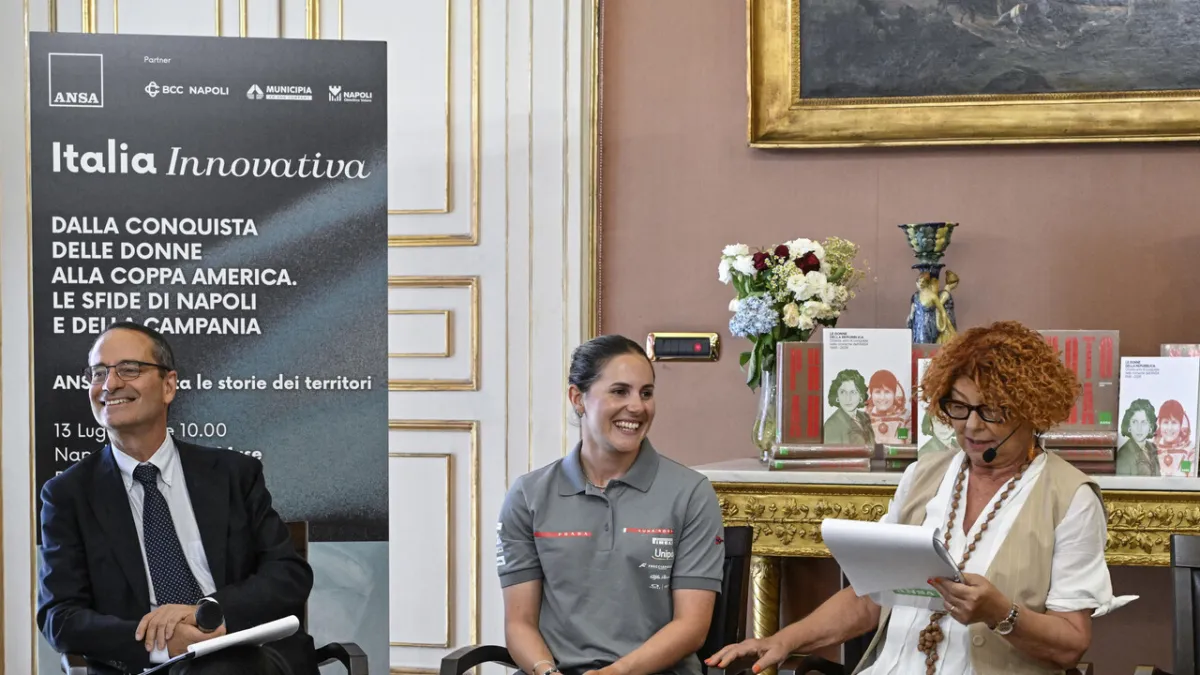
ANSA, as a leading national news agency, also plays a role in sparking this reflection. Through initiatives such as the “Italia Innovativa” event to be held in Naples, ANSA not only explores technological and economic advancements but also opens a space for discussion on social innovation, including women's empowerment within the innovation ecosystem.
The Naples event, which also highlights the America's Cup as a symbol of Italian maritime excellence, is expected to be an important platform. Delegates and the public will be invited to reflect on how innovation can be a catalyst for social change, including accelerating the achievement of gender equality in various fields.
The Italian government has announced several new programs to support women's entrepreneurship and increase their participation in science, technology, engineering, and mathematics (STEM) in the 2026 fiscal year. However, the implementation and impact of these programs still require strict monitoring.
Observers believe that the struggle for women's rights in Italy requires not only formal regulations but also a deep cultural shift. Early education about equality, inspiring female role models, and the active involvement of men in supporting this movement are crucial factors.
The commemoration of eight decades of the Republic should be a moment not only to celebrate achievements but also to evaluate the direction Italy is taking in fulfilling its constitutional promises. Women's rights, as a pillar of a healthy democracy, must be continuously championed until equality becomes an inseparable norm.
The role of media, such as ANSA, is vital in keeping this issue relevant in the public eye. With a broad platform, the media can shape opinion, urge accountability, and inspire real action from all elements of society.
The future of equality in Italy will heavily depend on political will, social awareness, and the active participation of every citizen. The celebration of the Republic's 80th anniversary must be a call to action, not merely a historical retrospection.