 Demian Sahputra

ROME — An unprecedented extreme heatwave has triggered "bollini rossi," or red alerts, across Italy, with Sardinia projected to reach a scorching 45 degrees Celsius this Thursday in mid-2026. This critical situation not only threatens public health on the Apennine Peninsula but also fuels massive wildfires in France and causes thousands of premature deaths in the United Kingdom, exacerbating the global climate crisis.
The Italian government has activated a high alert status in various regions, urging citizens, especially the elderly and children, to remain indoors. The "bollini rossi" system signifies a very serious health risk for the entire population, not just vulnerable groups, reflecting the unusual intensity of the 2026 heatwave.
On the island of Sardinia, daily life has come to a halt. Streets are deserted, outdoor activities are restricted, and hospitals are preparing for a surge in patients with heat-related symptoms such as dehydration and heatstroke. Farmers report significant losses due to parched land and dwindling water sources.
The impact of the 2026 heatwave is not limited to Italy. These scorching temperatures are part of a larger climatic phenomenon now gripping most of the European continent. Meteorologists predict that the peak of extreme temperatures will occur this weekend, prolonging suffering in many countries.
London has reported a staggering 2,700 additional deaths in the UK throughout this summer, directly linked to the record-breaking temperatures. The National Health Service (NHS) has issued stark warnings, advising the public to be vigilant for signs of heat exhaustion and to seek immediate medical attention.
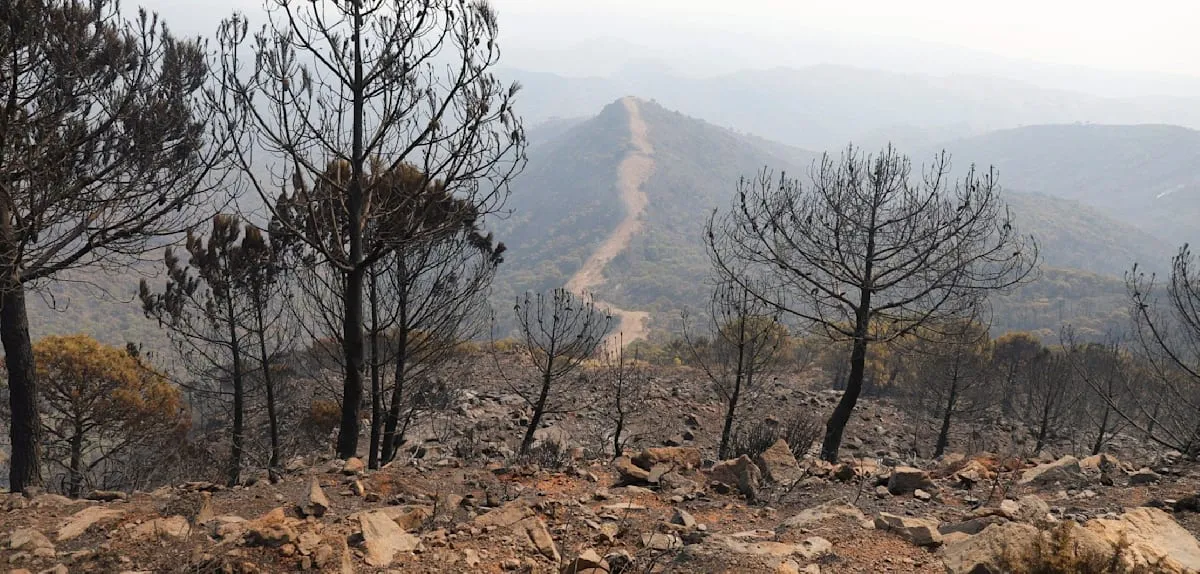
Meanwhile, in France, devastating wildfires have engulfed the iconic Fontainebleau forest area, a crucial green lung near Paris. Thousands of hectares of land have been scorched, forcing the evacuation of local residents and deploying hundreds of firefighters to combat the raging inferno exacerbated by extreme drought.
Professor Elena Rossi, a leading climatologist from the University of Rome, stated, "What we are witnessing in 2026 is a real consequence of climate change that we have long predicted. The frequency and intensity of heatwaves will continue to increase if greenhouse gas emissions are not addressed aggressively and immediately."
Europe's agricultural sector faces serious challenges. Food crop production, such as wheat and corn, is expected to decline drastically, threatening food supply stability and raising inflation concerns. The tourism industry is also under pressure, with many travelers canceling trips to overly hot destinations.
Various European governments have launched contingency plans, including the provision of public cooling centers, restrictions on water usage, and extended operating hours for emergency services. The European Union is also considering emergency funding for the most severely affected nations.
Global health organizations are calling for immediate action on climate adaptation and emission mitigation. They emphasize that the impact of heatwaves is not merely an environmental issue but a humanitarian crisis that demands a coordinated global response.
Ultimately, the 2026 heatwave serves as a bitter reminder of the earth's ecological fragility and the urgency of transitioning towards sustainability. Without strong global commitment, such extreme events are expected to become a deadlier new normal in the future.