 Debby Wijaya
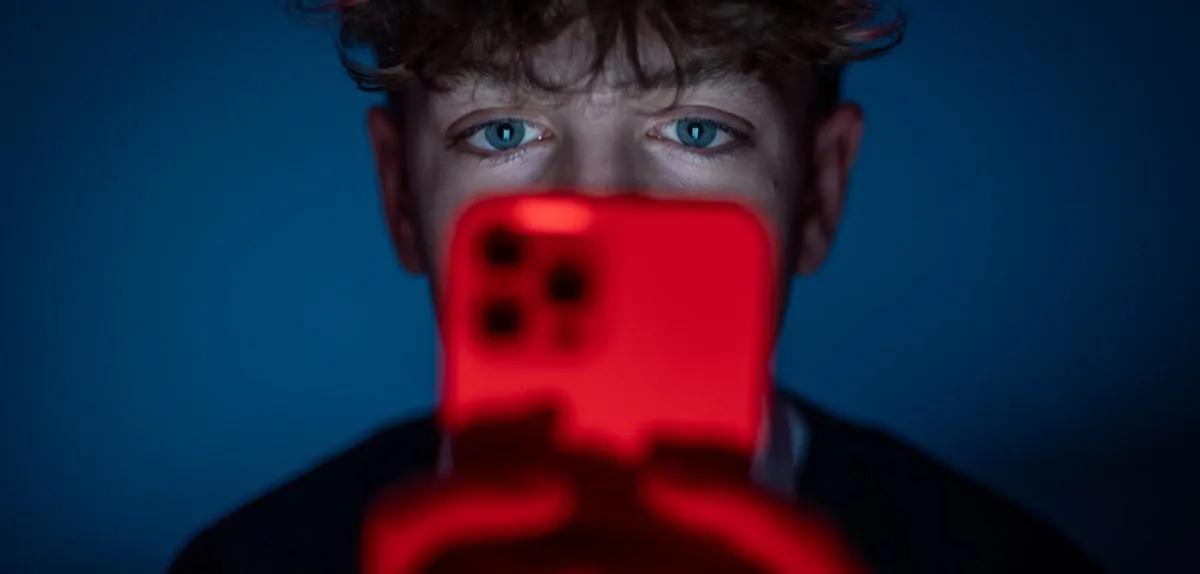
JAKARTA — Millions of teenagers worldwide are now inevitably exposed to intense visuals of war and violence through their smart devices. The presence of global conflict images on social media, often appearing suddenly and unfiltered, raises serious concerns about the long-term psychological impact on the younger generation, as revealed by recent research published in 2026.
This phenomenon highlights how the digital landscape has transformed the way individuals consume news, especially for adolescents. They are no longer just reading reports but are directly witnessing the horrors of ongoing wars, from battlefields in Ukraine to escalations in the Middle East.
Child and adolescent psychologists observe that it is not merely the frequency of exposure that determines the level of psychological burden, but also the context, individual vulnerability, and the support they receive. A single, highly graphic photo or video can leave a deep mental imprint, triggering anxiety, fear, or even symptoms of post-traumatic stress.
Professor Lila Kusumo, a prominent clinical psychologist from Gadjah Mada University, stated, “Brutal visual content can disrupt the emotional and cognitive development of adolescents. They may not yet possess mature coping mechanisms to process such atrocities.”
Continuous exposure to global violence narratives, such as those from various highlighted conflicts including bombardments in Kyiv and Sumy or missile attacks in the Middle East, can erode their sense of security and optimism about the future. This shapes a more cynical and uncertain worldview.
Parents and educators are now faced with the significant challenge of guiding teenagers to navigate the ocean of digital information. Media literacy education is crucial, teaching them how to filter information, verify truth, and recognize boundaries in consuming sensitive content.
Social media platforms also bear significant responsibility. Although some have implemented content warnings, their effectiveness remains a subject of debate. Algorithms that tend to prioritize viral content, sometimes without considering its impact on vulnerable audiences, exacerbate this problem.
Further studies indicate that open discussions between adolescents and their parents or teachers can act as an important buffer. When teenagers feel heard and are given space to express their concerns, psychological burdens can be significantly reduced.
Governments and global mental health organizations urge for better coordination among relevant parties: regulators, technology companies, educational institutions, and families. They encourage the development of early intervention programs and easily accessible counseling services for adolescents experiencing distress due to war content exposure.
Additionally, initiatives to promote peace and intercultural understanding are also vital. As Cardinal Pierbattista Pizzaballa expressed, peace must be an embedded culture, not just a temporary solution. An environment that supports peace can help neutralize the negative impact of war news.
Teenagers' reactions to war images are highly diverse; some show deep empathy, some feel helpless, and others become accustomed to the point of numbness. This diversity of responses demands a holistic and personalized approach in addressing psychological impacts.
This situation is a true reflection of how the digital world, which connects us globally, also brings the bitter reality of distant conflicts into private spaces. Protecting the mental health of the younger generation from this brutal invasion of reality is a crucial investment for a more stable and empathetic future.
Proactive steps are needed from all elements of society to create a safer and more supportive digital ecosystem. Adolescents deserve to grow in an environment that facilitates their development, not one that burdens them with the horrors of conflicts they did not create.
It is important for adults not to ignore changes in behavior or mood shown by teenagers. Such signals could indicate an emotional burden that needs immediate attention. Building psychological resilience is key.
With an integrated and sustainable approach, it is hoped that the negative impact of exposure to war images on social media can be minimized, and adolescents can develop the ability to face global challenges with healthier minds and stronger spirits.