 Dorry Archiles
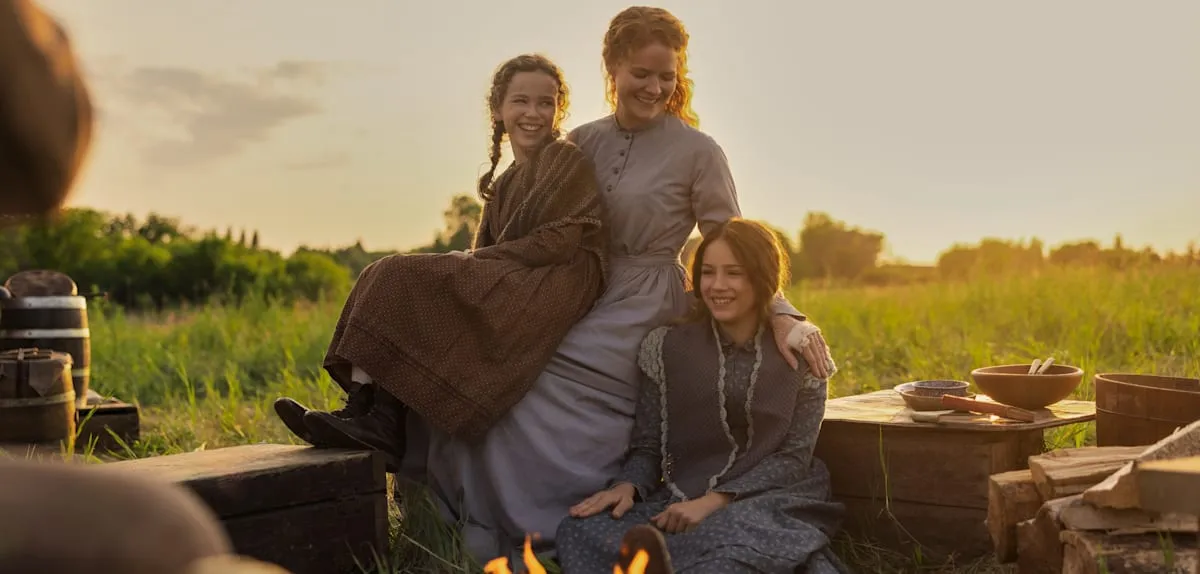
UNITED STATES — Netflix, the global streaming giant, has once again shaken the realm of pop culture with the release of its latest adaptation of the iconic American classic series, "Our Little Farm" (Little House on the Prairie) in 2026. However, this endeavor immediately sparked a wave of fierce controversy, particularly from "Tradwives" groups who accuse the production of being "too woke" and deviating from the original traditional values they uphold. This debate, centered on the reinterpretation of American history and identity, is now igniting online spaces and mass media.
Netflix has dared to reinterpret the story of the Ingalls family struggling in the American Midwest in the 19th century, a narrative that for decades has symbolized perseverance and conservative rural values. The original series, which first aired in the 1970s, is deeply embedded in the collective memory of American society, shaping perceptions of an idealistic past.
The emergence of this modern adaptation has not been smooth. Since the announcement of its production, "Tradwives" activists—a movement promoting traditional female roles as homemakers and caregivers—have voiced deep concerns. They stated they would launch a "shitstorm of criticism" if the series was deemed too progressive.
"We strongly reject attempts to distort our cultural heritage with modern agendas," said a representative of the "Tradwives" group, who wished to remain anonymous, in an online forum. "The Ingalls story is a portrait of simplicity, resilience, and a wholesome family, not a canvas for divisive 'woke' ideologies."
The term "woke" itself is at the heart of the polemic. For conservative groups, "woke" is often interpreted as an attempt to impose progressive narratives, extreme inclusivity, or historical revisions that they deem unnecessary or even damaging. They fear that the Netflix adaptation will inject sensitive issues such as gender identity diversity, race, or critiques of historical American social structures that they consider irrelevant to the original context.
On the other hand, proponents of the adaptation argue that re-storytelling is necessary to reflect contemporary sensibilities and understanding of history. They claim that classic works, after all, can have new, more inclusive interpretations relevant to today's audience without losing their original essence.
This polemic reflects a broader "culture war" in the United States, where debates about values, history, and identity continue to intensify. Entertainment media, with its massive reach, often becomes the primary battleground for conflicting viewpoints.
Netflix, with its track record of producing bold and often provocative content, seems unfazed by this wave of criticism. Their strategy likely involves balancing the preservation of nostalgic appeal with the introduction of new perspectives that can attract a broader demographic of viewers.
The history of film or television adaptations has always been marked by tension between fidelity to source material and freedom of artistic interpretation. The case of "Our Little Farm" serves as a clear example of how these interpretational differences can spark fierce discussions about the cultural essence of a nation.
Media analysts in Hollywood observe that such polarization can actually increase exposure for the series. Controversy, while often painful for creators, has proven effective in attracting public attention and prompting wider discussion.
Fans of the original series, torn between hope and apprehension, now await how Netflix will navigate this sharp criticism while still honoring the Ingalls legacy. Will this adaptation bridge the past and present, or will it widen the chasm of division?
As of now, Netflix has not issued an official statement directly addressing the "Tradwives" group's criticism. Their response will likely come after the series is fully released and viewership data and market reactions are gathered.