 Angel Doris

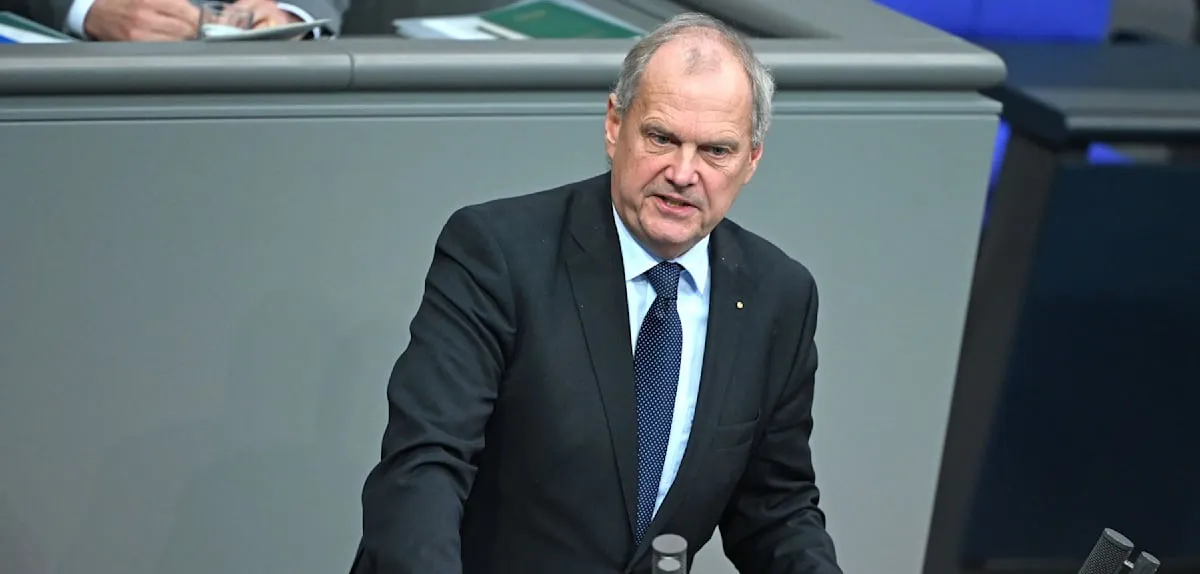
VIENNA — Austria has launched a sharp critique against Spain regarding its handling of the migrant situation in the Ceuta enclave. Austrian Integration Minister, Susanne Bauer, explicitly accused Madrid of pursuing a unilateral and careless migration policy, even likening it to "giving away free entry tickets to the European Union." This statement further exacerbates the diplomatic atmosphere amidst a continuously worsening humanitarian crisis.
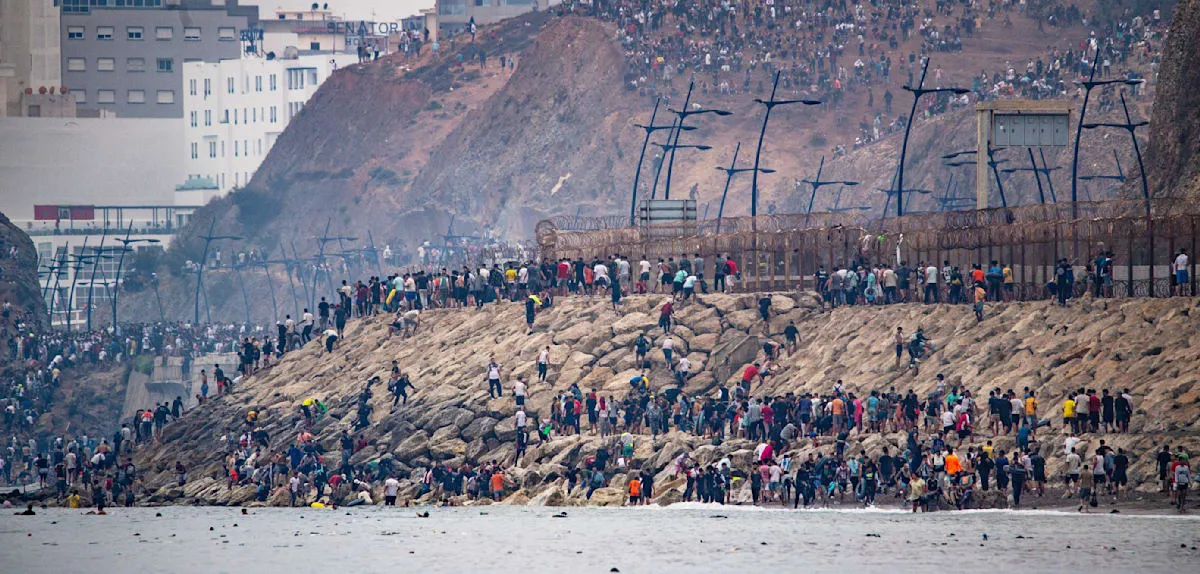
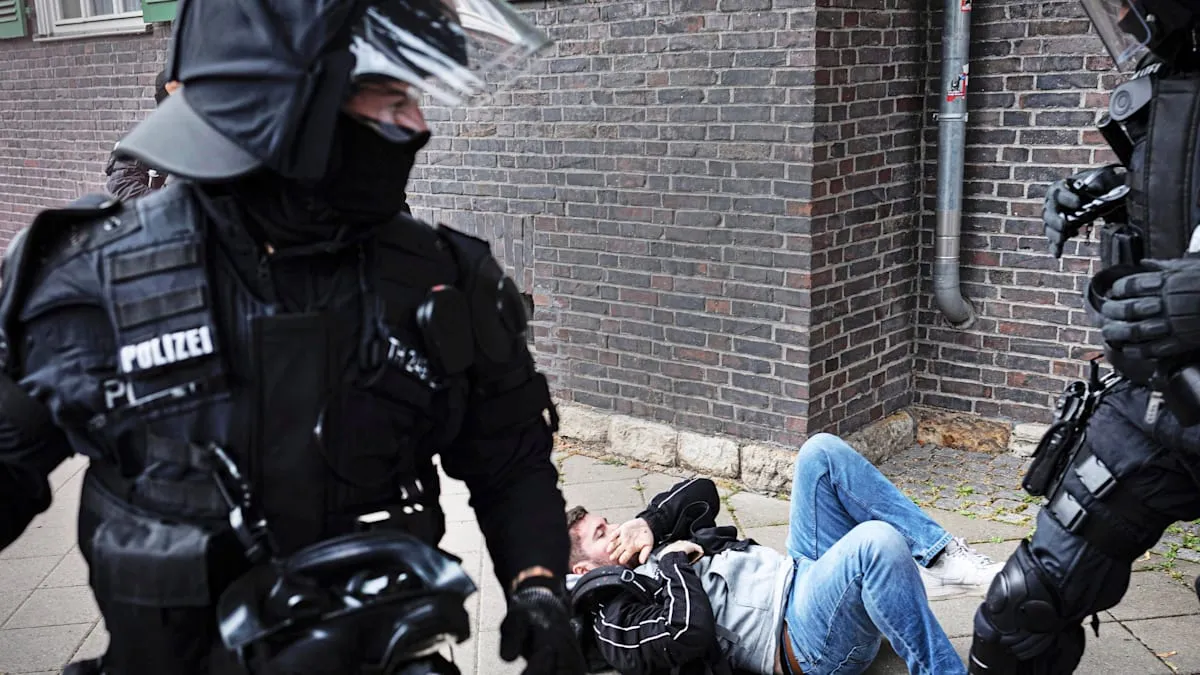
The harsh comments from Vienna come as tensions escalate in Ceuta, the Spanish autonomous territory in North Africa, which has recently become a primary entry point for thousands of migrants attempting to reach European soil. The situation at the Ceuta border is reported to be critical, with migrant arrivals peaking this year, 2026, triggering serious concerns across the continent.
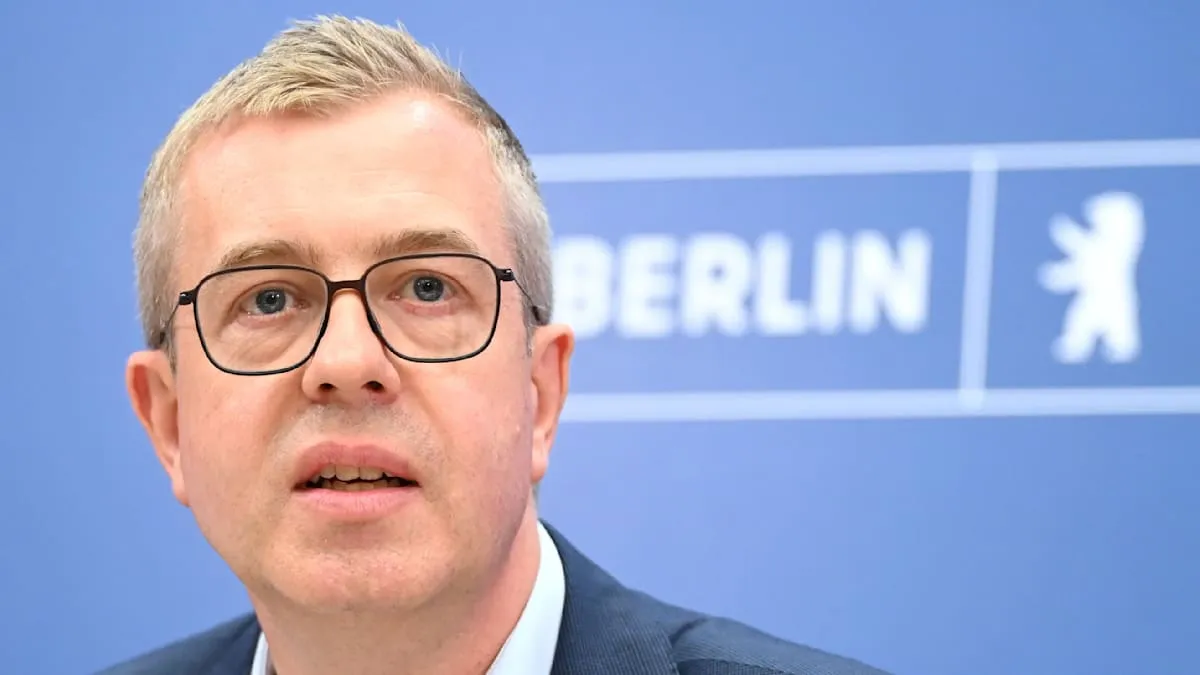
Integration Minister Bauer did not hesitate to voice her opinion. "Spain's actions in confronting the migrant flow in Ceuta constitute a solo act that was completely unnecessary and incomprehensible," Bauer asserted, describing Spain's policy as a dangerous precedent for the future of European borders. She emphasized that EU solidarity must be based on the principle of shared responsibility, not unilateralism.
Austria's criticism highlights discrepancies in migration approaches among EU member states. While some countries, like Austria, call for stricter border controls and robust coordination, Spain's actions are deemed too lenient and fail to consider the long-term implications for the entire bloc.
The turmoil in Ceuta has become a hot topic on the international stage, fueling fierce debates about how the European Union should handle migrant flows from Africa. As previously reported, this crisis has resulted in tens of thousands of migrants flooding the Spanish border. See: Ceuta Emergency: 49,000 Migrants Storm Spain, Dozens Dead.
The situation in Ceuta is not merely a humanitarian crisis; it is also a serious test for the cohesion and effectiveness of the European Union's foreign and security policies. Member states are expected to act within agreed frameworks, prioritizing the integrity of the EU's external borders.
Bauer's statement implicitly suggests that Spain's leniency creates a domino effect, enticing more migrants to undertake dangerous journeys to reach Europe. The term "free entry tickets" she used reflects deep concerns that Madrid is indirectly encouraging illegal migration.
Several other member states have also voiced similar concerns. Previously, Italy reportedly took protective measures. Read more: Italy Freezes Schengen to Spain: Ceuta Migrant Crisis Triggers European Protection. This indicates that tensions surrounding migration are not just an isolated incident between Spain and Austria.
Madrid, on the other hand, faces immense pressure at the borders of Ceuta and Melilla. As two European enclaves in Morocco, these territories are inherently vulnerable to waves of migration. Spain's response, according to several observers, is an attempt to balance humanitarian obligations with border security.
However, Austria argues that this balance must be achieved within a broader EU framework. "Ad hoc approaches will only exacerbate the problem and undermine the foundations of European cooperation," added an unnamed spokesperson for the Austrian Ministry of Integration.
Discussions concerning fair migrant burden-sharing and common strategies for managing the EU's external borders have been a central issue for many years. This latest Ceuta crisis once again brings the issue to the forefront, demanding a more coordinated and consistent response.
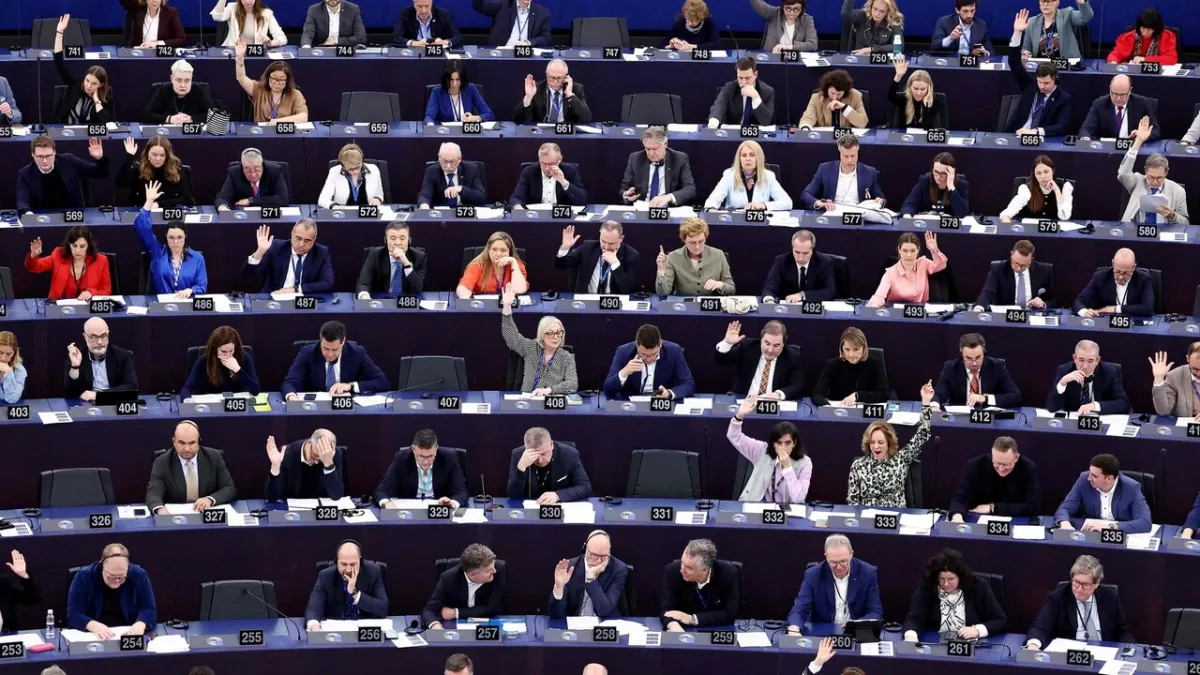
Political analysts believe that Austria's strong criticism will likely trigger more intense debates in upcoming EU meetings. Migration is expected to dominate the agenda, with hopes of reaching a stronger and more sustainable consensus.
The European Union must find long-term solutions that address not only the symptoms of the crisis but also its root causes. This involves closer cooperation with migrant-origin countries, combating human smuggling, and strengthening effective return mechanisms.
Ultimately, the incidents in Ceuta and Austria's response reaffirm the complexity of the migration challenges facing Europe. There is no single solution, and only through constructive dialogue and a shared commitment from all members can the European Union safeguard its integrity and values.
This crisis also highlights the importance of diplomacy. With such straightforward statements, Austria clearly intends to send a strong message to Spain and the entire European Union about the urgency of re-evaluating and strengthening common migration policies.