 Demian Sahputra

BERLIN – A new study from the German Economic Institute (IW) reveals a potential massive labor crisis looming over East Germany if immigration flows cease. This serious warning was issued by IW researchers, highlighting crucial sectors such as nursing, medicine, and skilled crafts as the most vulnerable to economic paralysis, threatening regional stability.
The report, released in 2026, explicitly states that without a supply of workers from abroad, East Germany's aging demographic will create a labor supply gap that cannot be closed internally. This prediction is not merely a simulation but a reflection of the structural reality of the labor market in the region, which relies on international worker mobility.
The nursing sector, for example, is projected to experience an extremely severe shortage of personnel. The need for nurses and medical staff continues to increase with the aging population, while the number of domestic graduates is insufficient to fill these vacancies. This situation could directly impact the quality of healthcare services for millions of citizens.
Similarly, in the medical field, especially in rural areas of East Germany, there is already a deficit of specialist and general practitioners. Immigrants often form the backbone filling these positions, ensuring public access to essential medical services. Losing the supply of medical personnel from immigrants will exacerbate health disparities.
The skilled crafts and small and medium-sized enterprise (SME) sectors also face similar challenges. Many traditional and modern skills require specific training and are often passed down through generations, but local young workers' interest in these professions is declining. Immigrants often fill this gap, bringing new skills or continuing traditions at risk of disappearing.
The IW researchers emphasize that East Germany's reliance on immigration is not a new phenomenon, but its urgency is growing. Sustainable and planned immigration policies are key to maintaining economic competitiveness and social welfare in the region.
This labor crisis has the potential to trigger broader economic consequences. Decreased productivity, business closures, and reduced innovation are real threats. Without sufficient workers, the economic engine will slow down, potentially hindering long-term growth and development.
Debates surrounding immigration policy in Germany have been a heated topic in the political arena. This issue often divides public opinion and politicians. Some parties emphasize the importance of integration, while others call for stricter border controls, ignoring the economic impact.
The German government, under Chancellor Olaf Scholz, continues to seek a balance between economic needs and social concerns. However, the IW findings underscore the need for concrete and swift action to address the complex demographic and labor market challenges in East Germany.
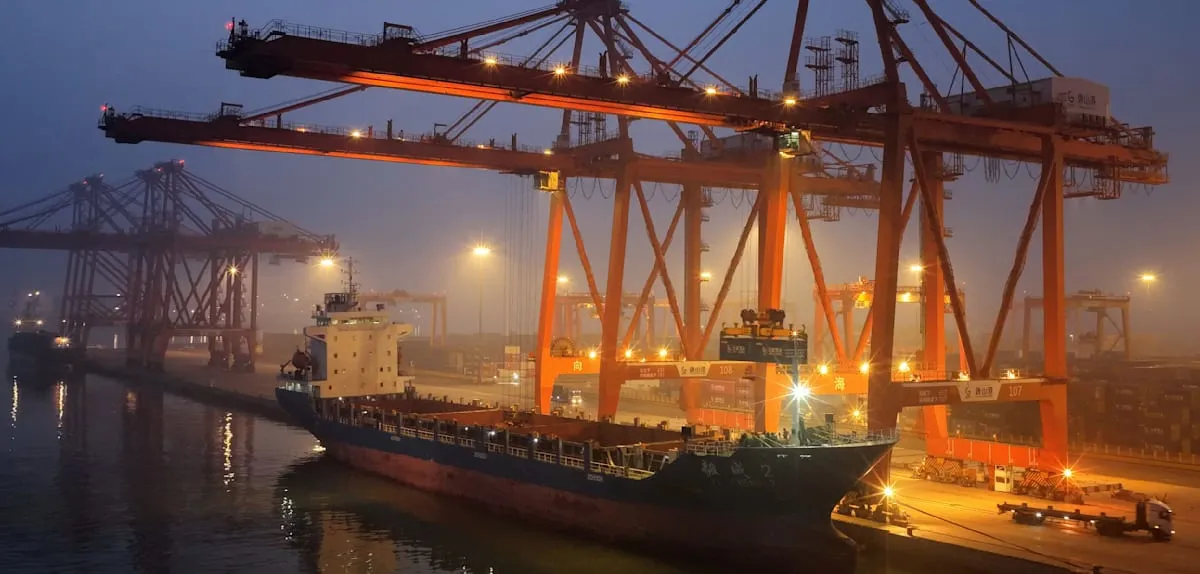
In a broader context, Germany also faces other threats to its industrial sectors, as highlighted in the article on the 'China Shock' threat shaking Germany, indicating the country's economic fragility to various external and internal pressures.
This issue is not only about numbers but also about the quality and adaptability of the workforce. Incoming immigrants need support for language and professional integration to contribute optimally to the East German labor market. Investment in training programs and qualification recognition is essential.
Educational and vocational training institutions in East Germany also play a crucial role. They must adapt to attract more young workers, both local and immigrant, into the undersupplied sectors. Collaboration with industry is necessary to ensure curricula are relevant to market needs.
The head of the German Economic Institute (IW) stated, 'The time to act is now. Ignoring this issue means risking East Germany's economic future. Targeted immigration is a pragmatic and crucial solution.' This statement underscores the urgency of the problem.
Regional stakeholders, from local governments to business associations, are now urged to formulate comprehensive strategies. These strategies must include not only attracting immigrants but also creating a welcoming and inclusive environment for them to settle and work.
Failure to address this crisis could widen the economic gap between East and West Germany, which has been struggled to reduce since reunification. A previous IW study also highlighted how fiscal and monetary policies, often defended by politicians like Lars Klingbeil, have a significant impact on the investment and employment climate across Germany.
Editorial Insight:
The IW study provides an undeniable warning. East Germany's demographic challenges, exacerbated by a potential decline in immigration, demand a proactive and long-term policy response. Without concrete solutions, including effective integration strategies and aggressive talent attraction programs, the region risks facing serious economic stagnation. Federal and regional governments must act swiftly to address this deficit for the overall sustainability of the German economy. Building political consensus on the importance of controlled immigration will be a vital key in the coming years.