 Stefani Rindus
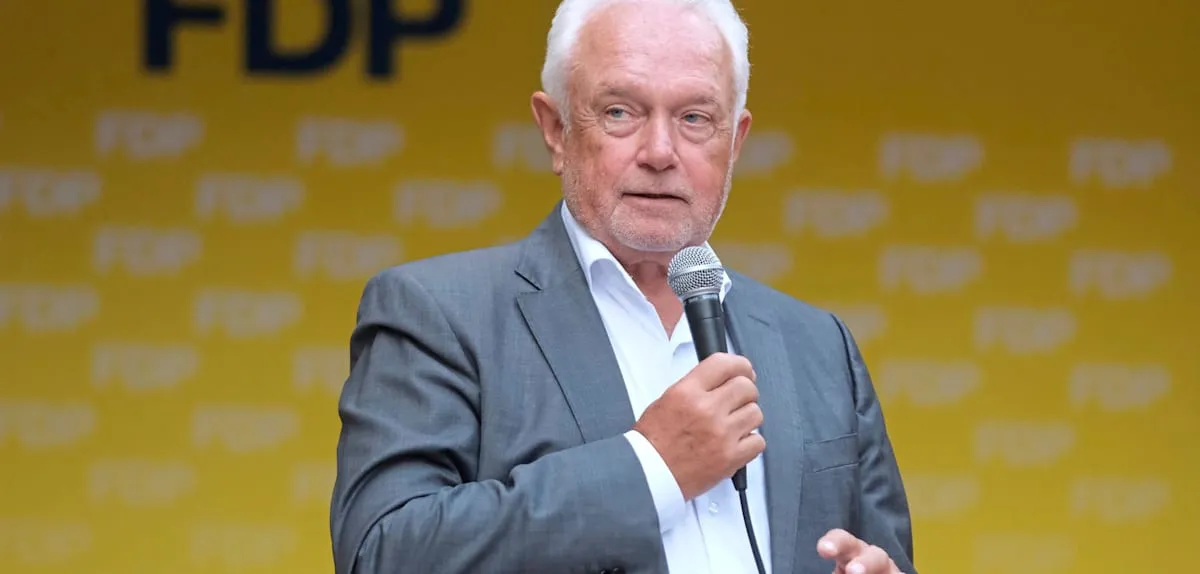
BERLIN – The German economy faces a severe deindustrialization threat, with 70 percent of industrial jobs at risk, according to a stark warning from CDU Member of Parliament, Volkmann. He highlighted the loss of up to 15,000 industrial jobs monthly, urging the government to adopt a firmer policy towards China to prevent the collapse of this vital sector.
Volkmann, with a long track record in observing global economic dynamics, candidly expressed his concerns about the future of German manufacturing. In his view, this rate of job loss is not merely a statistic but represents the erosion of the countrys economic foundation, which has long relied on its industrial strength.
'Every month, we witness between 10,000 and 15,000 jobs disappearing from the industrial sector. This is a worrying trend that, if left unchecked, will lead Germany to massive deindustrialization', Volkmann stated in a publicly surprising declaration. He emphasized the need for a rapid and measured response.
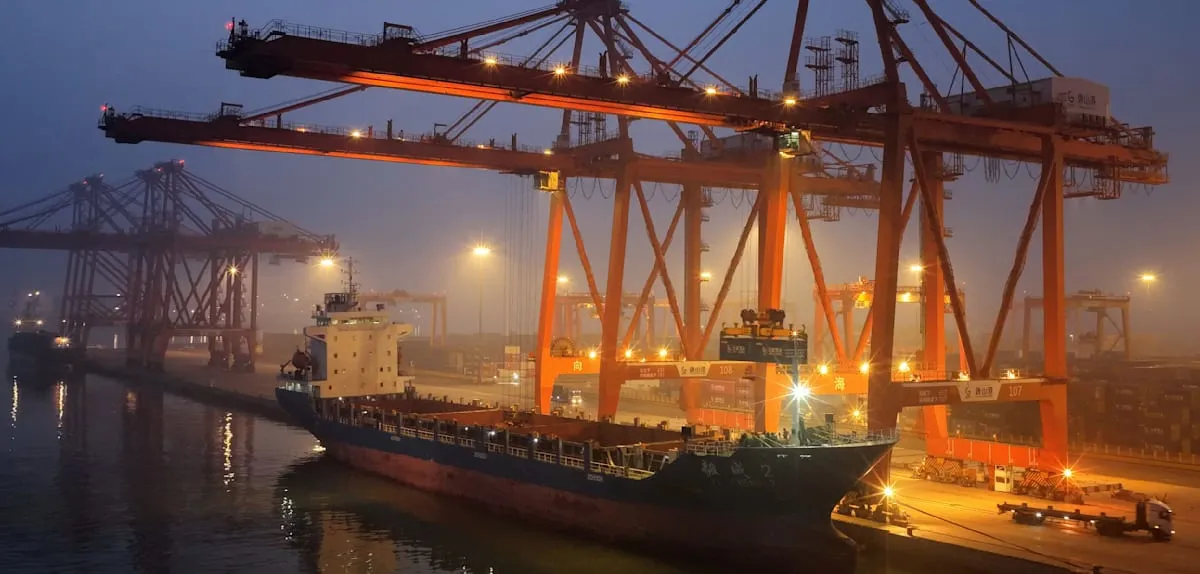
The threat he terms the 'China Shock' refers to unfair competitive pressure from China, in terms of product pricing, government subsidies, and often coercive technology transfers. This makes it difficult for many German companies to compete, even in their own domestic market.
This phenomenon is not new. For decades, Germany has been the economic engine of Europe, driven by an innovative and high-tech manufacturing sector, from automotive to precision machinery. However, Chinas economic dominance, especially post-pandemic, has fundamentally altered the global landscape.
Volkmann asserted that the government needs to adopt a more aggressive strategy. This is not just about protectionism, but about creating a level playing field. He suggested various measures, from stricter anti-dumping investigations to substantial support for domestic innovation.
The loss of industrial jobs not only impacts individuals who lose their livelihoods but also triggers a domino effect on supply chains, service providers, and local communities. Cities that have long relied on large factories now risk facing economic stagnation and social problems.
Leading economists also support Volkmanns view. A recent report from the German Economic Institute (IW Koln) indicates that while exports to China are important, excessive reliance without adequate protectionist policies can backfire. Energy issues, as discussed in the article Consumer Warning: Germany's Gas Reserves Critical, Energy Prices Soaring?, also add to the complexity of the economic challenges Germany currently faces.
Criticism of current government policies has also emerged. Some parties accuse the ruling coalition of being too lenient towards Chinas trade practices, a priority seen as leaning more towards diplomatic stability than national economic protection.
This debate is intensifying ahead of the upcoming general elections, where economic and employment issues are sure to be a key agenda. Opposition parties are likely to use the 'China Shock' as a political weapon to attack the governments policy inconsistencies.
Editorial Insight: Volkmann's warning is not merely political rhetoric but a reflection of deep-seated concerns sweeping through Germany's industrial sector. Dependence on global supply chains and asymmetrical competition demands a comprehensive policy response. Failure to act decisively could drastically alter the face of the German economy, with long-term implications for the country's social and political stability, and affecting the wider European economy.