 Chris Robert
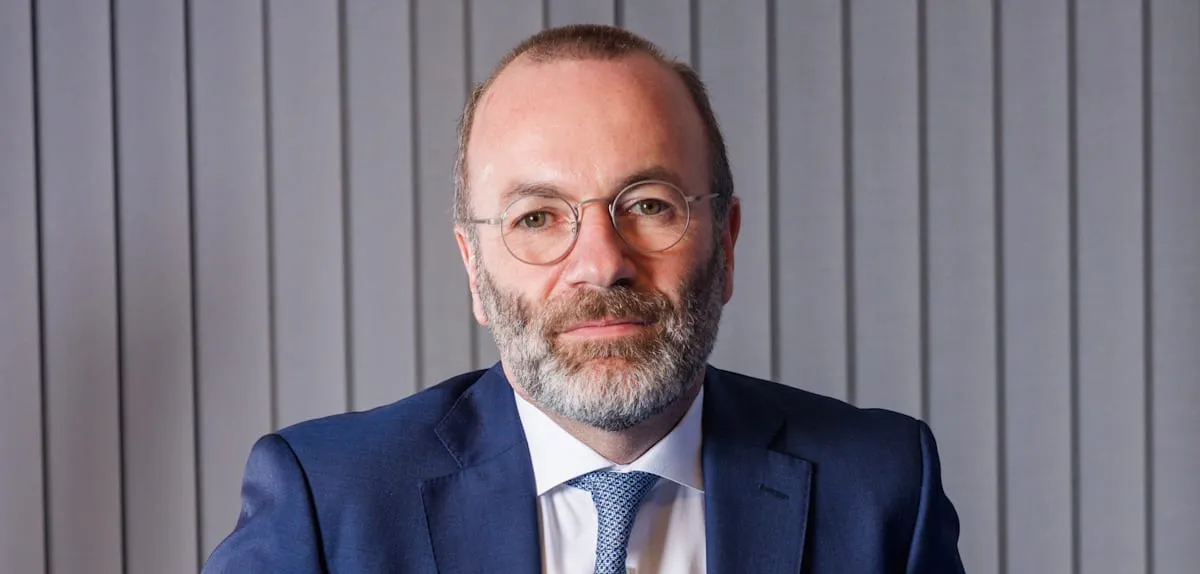
BRUSSELS — Manfred Weber, Chairman of the European People's Party (EVP), has called for the formation of a united European army following the 2026 NATO Summit. This appeal emerges as a direct response to deep-seated concerns regarding the rise of far-right political forces in Europe, particularly the potential for an Alternative for Germany (AfD) government in the near future.
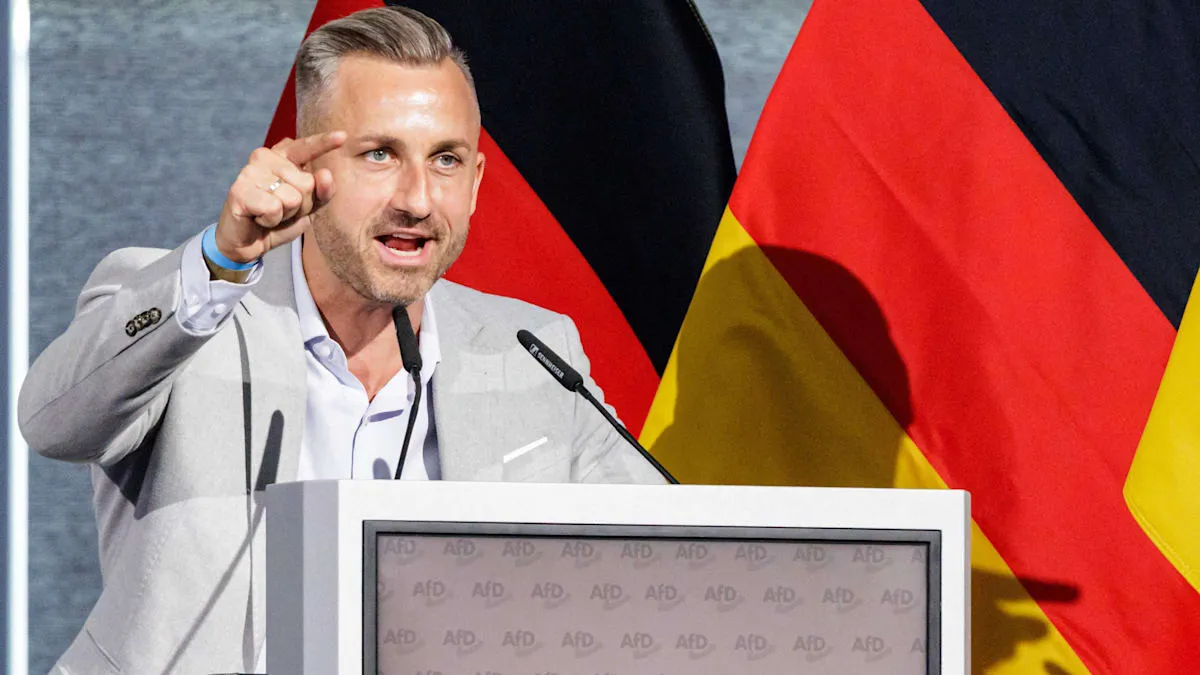
In an exclusive interview, Weber candidly stated, “The neo-Nazis, the Höckes of this world – these are our enemies.” This emphatic declaration underscores the urgency for European Union member states to align their defense policies and build a cohesive military force.
Indeed, in the wake of the recently concluded NATO Summit, European nations are grappling with redefining the continent's defense architecture. Discussions revolve around enhancing capabilities, interoperability, and equitable burden-sharing, yet the concept of a common army introduces a far deeper political dimension.
Weber's apprehension is not unfounded. The AfD, a party with roots in the far-right, continues to exhibit significant growth in support across Germany. The AfD's expansion, notably propelled by controversial figures such as Björn Höcke, has triggered alarms among the European political elite regarding a potential fundamental shift in democratic values and regional stability.
The notion of a European army has long been debated, but it has rarely gained such strong momentum. Proponents argue that an integrated armed force would bolster Europe's strategic sovereignty, diminish reliance on external allies, and create a more credible deterrent against various threats.
Weber's focus on “neo-Nazis” and “Höcke” reflects a perception that threats to Europe stem not only from external sources but also from the internal erosion of core EU values. Far-right ideologies, with their anti-immmigrant sentiments and narrow nationalism, are considered capable of undermining the foundations of cooperation and integration.
The AfD phenomenon is not an isolated incident; several other European member states are also witnessing surges in support for right-wing populist parties. This climate complicates efforts to achieve consensus on crucial issues, including defense policy and collective security.
The establishment of a united European army faces considerable challenges, encompassing political, logistical, and financial aspects. Disparities in military doctrines, national defense budgets, and the desire to maintain sovereignty represent significant hurdles that must be overcome through intricate negotiations.
The call for a common army could also influence the dynamics of transatlantic relations and NATO's role. While Weber emphasizes the importance of cooperation with the United States, a move toward greater European defense autonomy signals a shift in strategic priorities amidst an unstable geopolitical situation.
European leaders now stand at a crossroads, where the continent's defense future and political identity will be shaped by strategic decisions made over the coming years. The discourse initiated by the EVP Chairman clearly serves as a crucial catalyst for discussions about the European Union's direction amid global uncertainties and domestic threats.