 Dorry Archiles
NEW YORK — The grand spectacle of the FIFA World Cup 2026 in North America, initially plagued by various doubts and skepticism, ultimately achieved resounding success, silencing critics. The tournament, hosted across three nations—the United States, Canada, and Mexico—successfully overcame concerns regarding logistics, team format, and potential political impacts, delivering a captivating world-class football show to millions of global spectators in mid-2026.
Before the opening whistle, many observers and fans expressed profound skepticism. The immense geographical distances between host cities across the American continent sparked complex logistical worries for teams and supporters. Prolonged inter-city travel was predicted to diminish game quality and fan experience.
Expanding the format to 48 participating teams also drew sharp criticism. Fears of diluted competition standards, numerous unengaging matches, and a dense, confusing schedule dominated public discourse. Some even labeled this format as FIFA's attempt to prioritize financial gain over sporting quality.
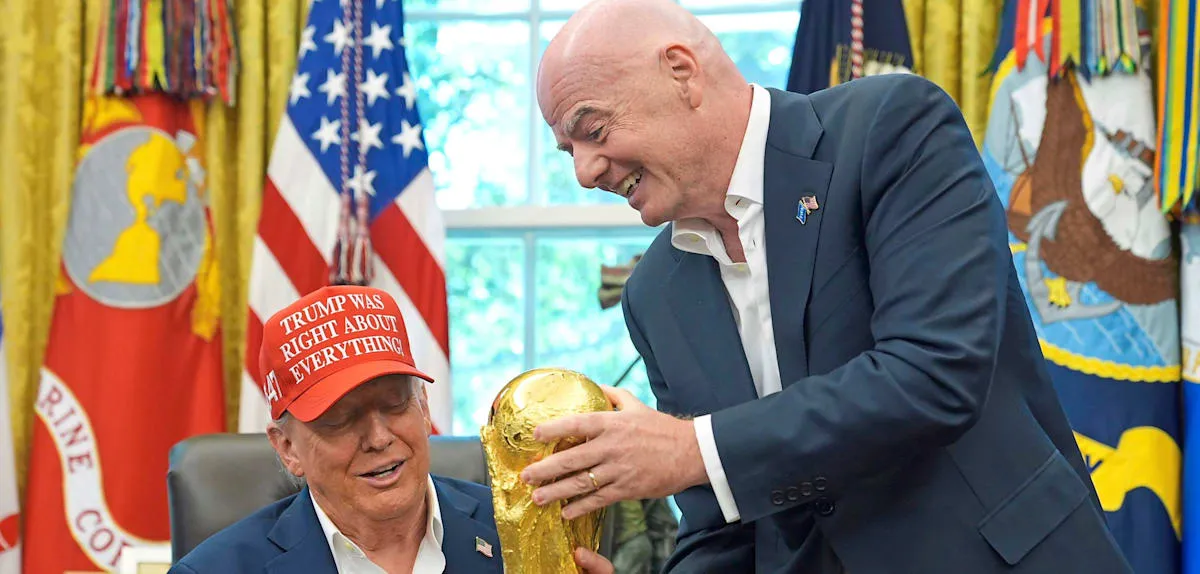
FIFA President Gianni Infantino did not escape criticism. His often controversial leadership and certain policies were deemed capable of undermining the tournament's integrity. However, with the conclusion of the World Cup, perceptions of him shifted significantly, marking the successful hosting as one of his achievements.
Other factors contributing to anxiety included political influence and ticket prices. In the United States, issues related to immigration policies and political narratives once championed by former President Donald Trump, raised concerns about a warm reception for all participants and supporters. Meanwhile, soaring ticket prices were feared to limit accessibility for football fans from diverse socioeconomic backgrounds.
However, the reality on the ground proved otherwise. Mature transportation infrastructure and efficient cross-country coordination successfully minimized logistical hurdles. Team and supporter travel proceeded smoothly, and facilities at each venue received praise for their world-class standards.
The 48-team format, though initially met with skepticism, surprisingly delivered exciting upsets. Many debuting teams performed impressively, creating new narratives and demonstrating that football's potential is widespread across various parts of the globe. The intensity of competition remained high, even in the group stages, dispelling notions that the tournament's quality would decline.
Audience enthusiasm also reached new records. Stadiums were consistently filled with throngs of people, indicating that the yearning for top-tier football was far greater than initially anticipated. FIFA was also credited with managing ticket pricing schemes more flexibly, opening opportunities for more fans to witness matches live.
Politically, fears of friction or sensitive issues subsided. The atmosphere in all host cities felt inclusive and festive, reflecting a spirit of global unity through sport. Host nation leaders collectively demonstrated strong commitment to the tournament's success and sportsmanship.
Even the match outcomes were under scrutiny. After a series of dramatic matches, England's collapse in the 2026 World Cup semifinals became one of the unexpected stories adding to the tournament's drama. Meanwhile, Tuchel's questioning of the relevance of the third-place play-off became an interesting post-tournament discourse.
Overall, the FIFA World Cup 2026 was not merely a showcase of football prowess but also a demonstration of organizational capacity amidst global challenges. The tournament proved that with meticulous planning and international collaboration, even the biggest doubts can be transformed into a spectacular celebration.