 Chris Robert
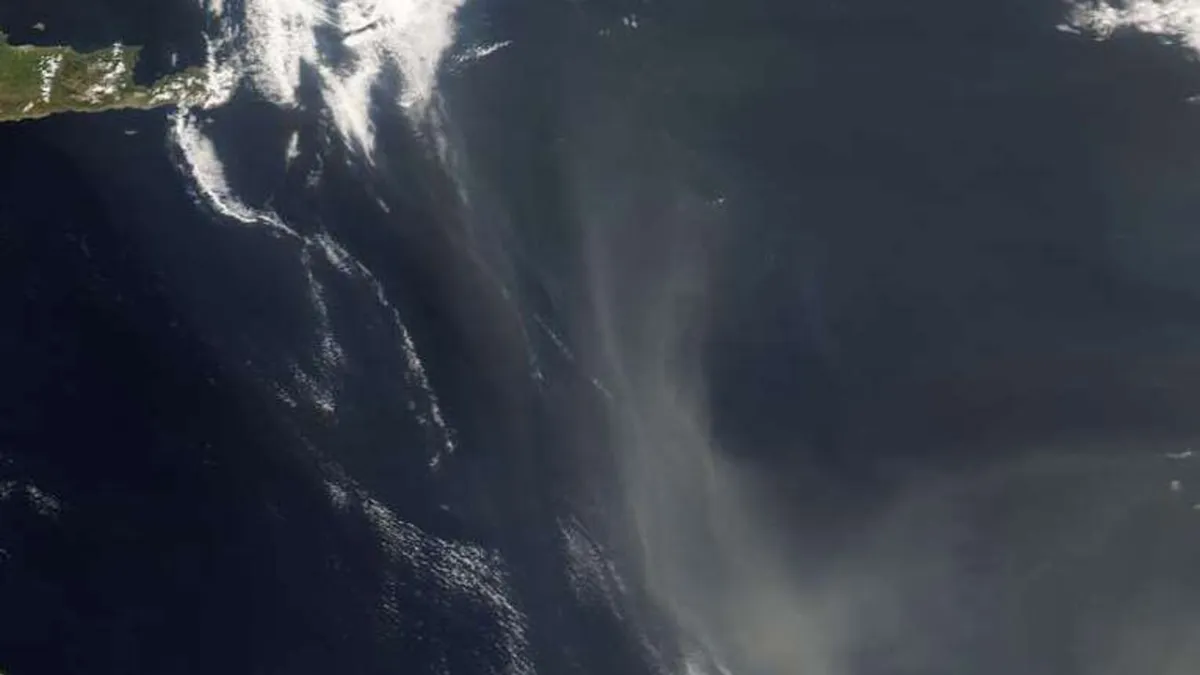
ROME — A wave of fine dust from the Sahara Desert has once again blanketed large parts of Europe in early 2026, creating a hazy atmospheric layer. Italy, in particular, faces the most severe impact with dust particle concentrations soaring up to double the average of other European countries, triggering serious concerns for air quality and public health across the peninsula. This periodic natural phenomenon, exacerbated by Mediterranean wind patterns, has sparked intense discussions on mitigation and long-term responses.
The movement of air masses from North Africa regularly carries millions of tons of dust particles across the Mediterranean Sea towards the European continent. However, according to recent analyses by European meteorological agencies, the intensity and frequency of these events have shown a significant increase over the past decade. Saharan dust not only affects visibility but also contains minerals, bacteria, and other pollutants that can directly impact the environment and living organisms.
Data collected from air quality monitoring stations in major Italian cities, including Rome, Milan, and Naples, indicate a drastic surge in PM10 and PM2.5 levels. This increase has put Italy on high alert, exceeding the safe thresholds set by the European Union in recent days. The government and health authorities urge citizens, especially vulnerable groups, to take precautionary measures.
The health impacts of exposure to this Saharan dust cannot be ignored. Microscopic particles can penetrate respiratory tracts, exacerbating conditions for individuals suffering from asthma, chronic bronchitis, and other respiratory diseases. Medical experts warn of a potential increase in cases of respiratory distress, eye irritation, and skin problems among directly exposed residents.
Beyond health, this phenomenon also has environmental implications. Falling dust settles on surfaces, affecting agriculture by coating crops and altering soil composition. The transportation sector, particularly aviation, also feels the impact due to reduced visibility and potential disruptions to aircraft engines.
Climatologists and meteorologists are further investigating the connection between the increased frequency of these dust storms and global climate change. Some preliminary studies indicate that changes in wind patterns and increased sea surface temperatures may contribute to more efficient dust transport from the desert to Europe.
In response to this situation, the Italian Ministry of Health has issued public advisories to limit outdoor activities, especially during peak dust concentration hours. The use of protective masks and regular air quality monitoring are key recommendations for citizens. Local governments are also asked to activate air pollution contingency plans.
"This phenomenon is not merely an ordinary natural event. It is a stark reminder of the fragility of our environment and the need for a coordinated response," stated Dr. Elena Rossi, a climatology expert from the University of Bologna, at a recent climate discussion forum in Rome. "We must deepen our understanding of these dust transport mechanisms to develop more effective mitigation strategies."
Large-scale air pollution phenomena are not uncommon in various parts of the world. Similar to the thick orange haze that once enveloped New York due to Canadian wildfires recently, this event in Europe highlights the vulnerability of global cities to cross-border environmental threats. This incident underscores the urgency of international cooperation in addressing environmental issues.
In the future, scientists predict that the frequency and intensity of Saharan dust movement to Europe may continue to increase with climate change. Therefore, investment in more advanced early warning systems, research into long-term impacts, and the development of adaptation strategies are crucial for vulnerable countries.
European societies, particularly Italy, are now confronted with the challenge of adapting to increasingly uncertain atmospheric conditions. Proactive responses from governments, supported by high public awareness, will be key to minimizing the health and environmental risks posed by this Saharan dust phenomenon in the years to come.