 Chandra Wijayanto
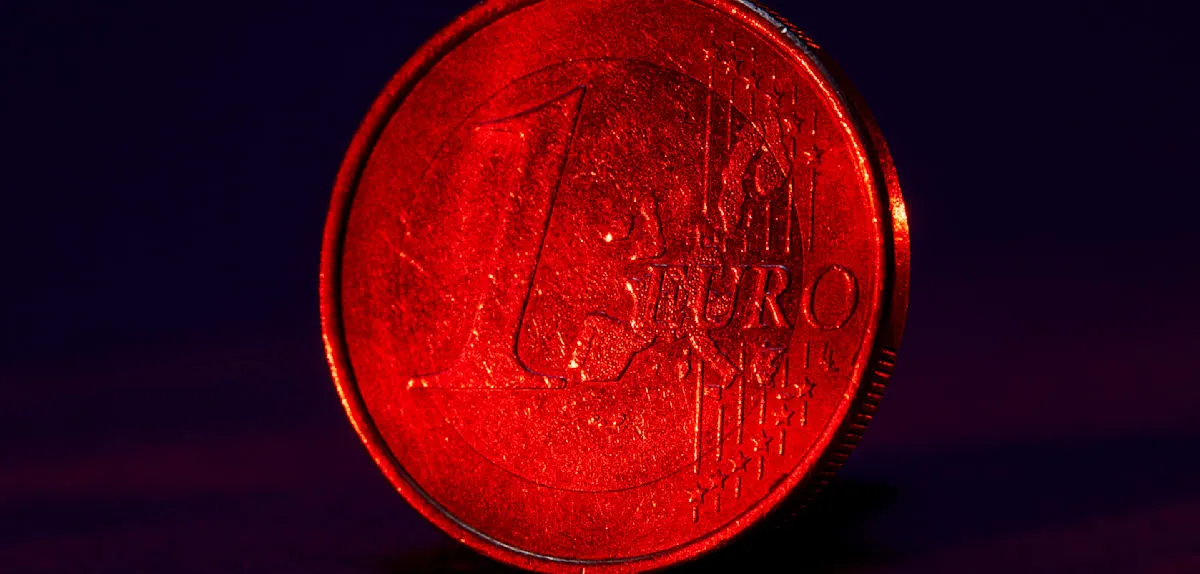
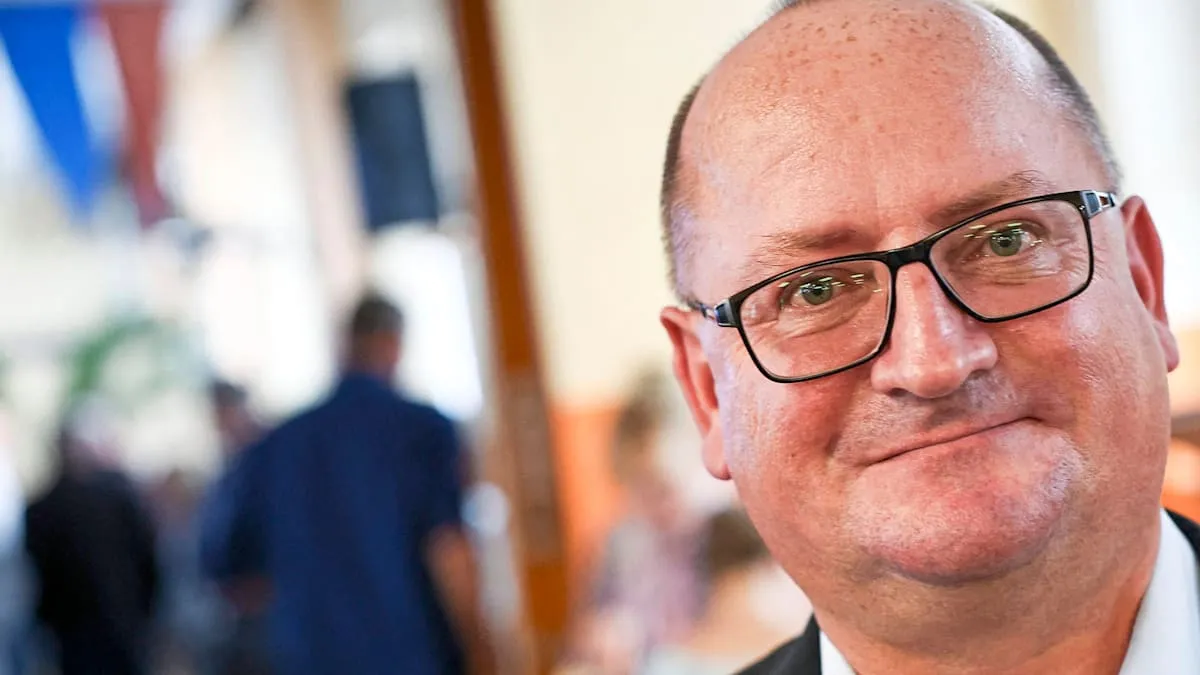
Berlin — Former member of the German Council of Economic Experts, Volker Wieland, issued a stern warning at the beginning of 2026 regarding the potential for a worsening sovereign debt crisis in the European Union. He highlighted that currency vulnerabilities, currently masked by various global turbulences, could emerge as a serious threat if the concept of "Vergemeinschaftung," or mutualisation of debt, continues to expand, risking Germany becoming the primary guarantor for other nations' financial burdens.
Wieland's warning comes amidst a global economic landscape fraught with uncertainty. Various geopolitical crises and commodity market fluctuations have indeed diverted attention from the European Union's inherently fragile internal economic foundations. However, according to Wieland, this situation creates a dangerous illusion of stability.
The economist from the Frankfurt School of Finance & Management emphasized that massive debt-sharing schemes, such as those implemented during the pandemic or recent proposals to fund the green transition, inherently weaken member states' incentives to maintain fiscal discipline.
"If shared debt schemes become more widespread, Germany would ultimately have to stand alone as the guarantor for the debts of others," Wieland stated in his remarks quoted by national media this week. This statement reaffirms his consistent position against expanding financial solidarity mechanisms without adequate structural reforms.
Wieland explained that when the next major crisis strikes, entities such as the European Central Bank or economically stronger member states will be compelled to rescue highly indebted countries. This situation, he argued, would distort markets and create persistent moral hazard.
Wieland's analysis also underscored the state of Germany's Economy on the Brink. Several economic indicators point to slowing growth and domestic structural challenges, which would be further exacerbated if the country has to bear additional financial risks from other nations.
This risk, he added, is not merely financial. Excessive debt mutualisation also has the potential to trigger political tensions among EU member states, eroding trust, and even threatening the cohesion of the world's largest economic bloc.
The German Council of Economic Experts, which previously contributed to national economic projections, has repeatedly voiced similar concerns about the long-term implications of loose fiscal policies and shared debt schemes.
Wieland's proposed solution is a return to the principles of subsidiarity and individual responsibility. Each member state must be fully accountable for its own fiscal policies, with emergency aid provided only in extreme circumstances and accompanied by strict reform conditions.
He also urged EU leaders in 2026 to prioritize fiscal consolidation and national economic resilience building, rather than seeking shortcuts through vulnerable shared debt mechanisms.
As mentioned in the article Global Markets at Peak, Three Danger Signals Threaten Collapse?, current global financial market conditions indeed show euphoria, yet warning signals from prominent economists like Wieland should not be ignored. A strong economic foundation is key to facing potential turbulences that could arise at any time.
Concluding his statement, Wieland underscored the importance of a long-term vision. "We must build a strong and sustainable European Union, not one vulnerable to crisis after crisis due to mismanagement of debt policies," he asserted, emphasizing the call for caution in formulating future economic policies.