 Angela Stefani
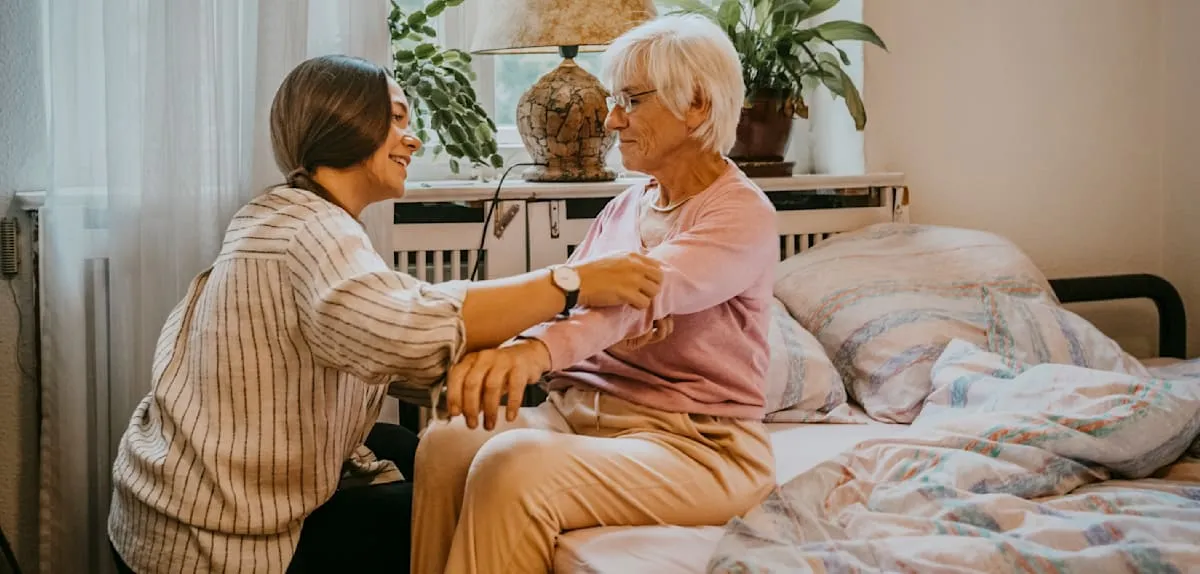
Germany — A wave of disappointment has swept across various segments of German society following the federal government's plans to reform the elderly care system in 2026. This policy, touted as a comprehensive solution, has instead sparked profound anxiety among families who have long served as the backbone of care for their elderly parents or relatives. Many feel that this new policy disregards the burden and sacrifices they have endured.
The elderly care reform, or "Pflegereform," initiated by the coalition government, aims to adapt the care system to Germany's continuously aging demographic challenges. However, the details of its implementation, particularly concerning contributions and support for family caregivers, have provoked a negative reaction. Observers predict that this reform might further increase the financial and emotional pressure on non-professional caregivers.
Several of our readers shared their difficult experiences. A reader from Berlin recounted, "We already feel abandoned and alone. Caring for my mother, who has Alzheimer's, for many years has consumed all my time and energy. Now, it's as if the government is adding more burden without providing real solutions." Similar sentiments resonated from various parts of the country, indicating a collective unease.
The German federal government, under the leadership of the current Chancellor, stated that this reform is essential to ensure the long-term sustainability of the care system. They argue that changes are necessary to address the shortage of professional staff and rising healthcare costs. However, this narrative often fails to alleviate the concerns of those most directly affected by the policy: families.
The burden of elderly care in Germany is indeed significant. Data shows that the majority of daily care for older citizens is still carried out by family members. This crucial role often involves sacrifices in career, personal time, and financial stability. Therefore, hopes for a reform that brings relief were considerably high.
The main criticism targets the lack of appreciation and concrete support for "Pflegende Angehörige," or family caregivers. They need more than just promises; they require adequate financial assistance, access to support services, and work flexibility to avoid losing their jobs. The link between work and family care responsibilities is a crucial issue that needs to be addressed. Similar issues were raised in our previous article on Working Parents' Dilemma 2026: Children Sick, Career Threatened? Government Intervenes.
Some argue that the reform focuses too heavily on administrative and financial aspects, without touching upon the essence of the human issues behind it. Feelings of isolation and a lack of recognition for their role have long been unaddressed complaints from the government.
Professor Klaus Richter, a sociologist from the University of Munich, highlighted the importance of a holistic approach. "The government must understand that elderly care is not just about budgets, but also about human dignity and social solidarity. Ignoring family contributions will undermine the very fabric of society," he stated in a public discussion.
Nevertheless, some parties welcomed the initial intent of the reform to update an outdated system. They hope that, over time, the government will become more responsive to public input and make necessary adjustments to ensure that no family feels abandoned.
The government is urged not only to listen but also to act upon feedback from its citizens. Constructive and open dialogue with stakeholders, especially family caregivers, is absolutely necessary to ensure that the "Pflegereform" 2026 truly becomes a fair and sustainable reform. Our previous article on Elderly Care Reform 2026: Families' Outcry Feeling Abandoned by the State also addressed this issue.
The future of Germany's elderly care system in 2026 and beyond will largely depend on how the government balances fiscal needs with social empathy. Only then can this reform truly provide benefits, rather than merely creating new anxieties in the hearts of struggling families.