 Chris Robert
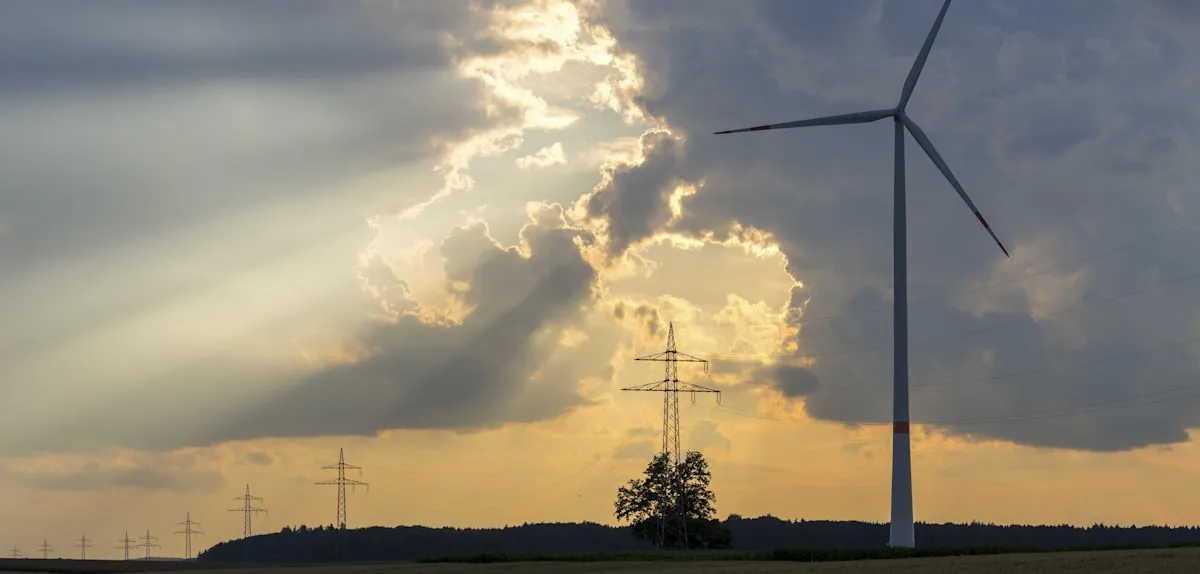
BERLIN — Germany's ambitious targets for carbon neutrality face significant hurdles in 2026. The high costs of green technologies and pressures from emissions trading schemes are prompting industry managers and politicians to push for a revision, or even abandonment, of national climate goals. This situation not only threatens Germany's commitments but also risks derailing Europe's grand vision of becoming a CO2-emission-free continent.
The global energy crisis and inflation have fundamentally burdened the German economy. The implementation of environmentally friendly technologies, often demanding substantial capital investment, is increasingly perceived as an onerous challenge for the industrial sector.
Many companies report that their operational costs are sharply rising. Emissions trading schemes, intended to drive the transition, are instead becoming an additional burden that slows economic growth and competitiveness in the international arena.
Several CEOs of major corporations, whose identities remain undisclosed but whose information was obtained from internal industry sources, have openly voiced their deep concerns. They urge the government to reconsider the current pace of energy transition, given the volatile market conditions.
In the political arena, debates are intensifying. Opposition parties are calling for a moratorium or postponement of some climate targets, arguing that the immediate priority is economic stability and job creation, especially leading up to a crucial political year in 2026.
"We cannot sacrifice the welfare of our people for unrealistic targets under current economic conditions," stated a member of the Bundestag from a conservative party, whose name is withheld for journalistic objectivity. "The government must be realistic and pragmatic in facing this challenge."
Environmental groups and climate activists strongly condemn the idea of loosening targets. They warn that such delays will have long-term detrimental consequences for the planet and future generations, emphasizing the urgency of immediate climate action.
Germany's failure, as Europe's economic engine, to achieve its targets would create a domino effect on the overall climate commitments of the European Union. Ambitious projections for carbon neutrality in Europe by 2050 could be jeopardized. Italy itself is also evaluating its path towards 2030, indicating that similar pressures are felt in other member states.
While other European nations also face similar challenges, Germany's industrial scale and reliance on the manufacturing sector mean it faces greater pressure. Some analysts predict that neighboring countries might begin to re-evaluate their strategies if Germany falters.
The German government faces a significant dilemma: balancing short-term economic stability with long-term climate commitments. Innovative solutions and greater financial support for research and development of more efficient green technologies may be key to resolving this predicament.
The decisions Berlin will make in the coming months will not only determine Germany's climate future but also the direction of energy and environmental policies across the entire European continent. Stakeholders hope for a middle ground that can balance economic demands and environmental imperatives.