 Angel Doris
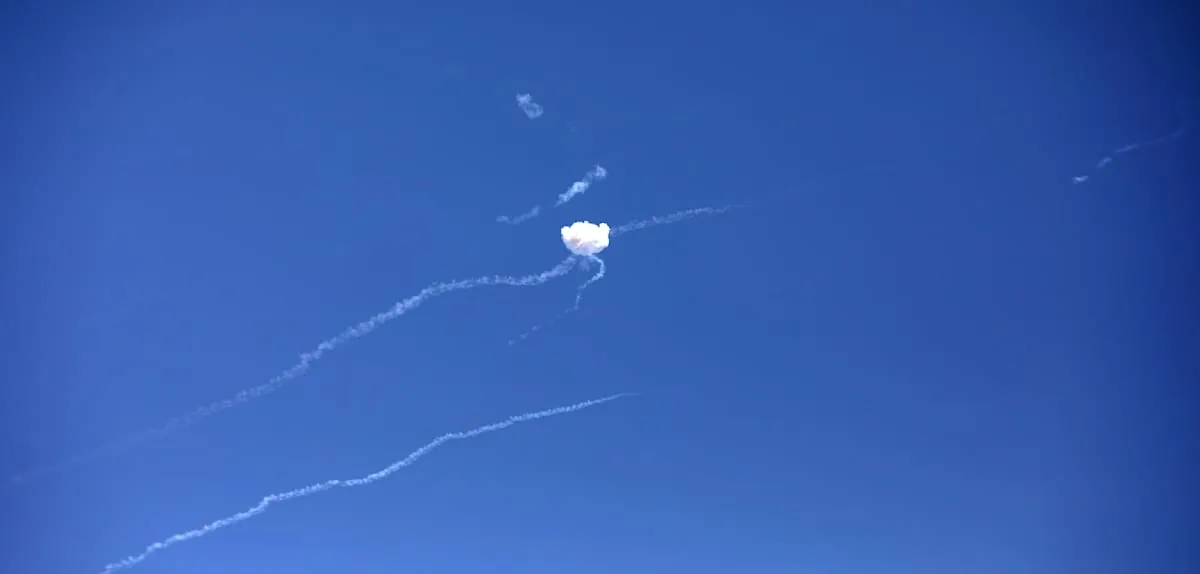
Middle East—The Middle East has once again plunged into a large-scale conflict in 2026 following Iran's drastic unilateral move to close the Strait of Hormuz, a globally vital strategic shipping lane. Iran's Islamic Revolutionary Guard Corps announced this closure after launching attacks on a ship and targeting several United States military bases in the region, triggering a fierce reaction and immediate military response from Washington.
The closure of the Strait of Hormuz, a crucial choke point for one-fifth of global oil supplies, marks an unprecedented escalation of tensions. This incident fundamentally threatens the stability of international energy markets and maritime security in the Persian Gulf, aligning with predicted concerns over Hormuz turmoil and US missile response.
Initial reports indicate that a commercial vessel or tanker was targeted by gunfire and subsequently stopped by Iranian forces. Details regarding the ship's identity, crew, and sustained damage are still under thorough investigation, but this act clearly constitutes a significant provocation in international waters.
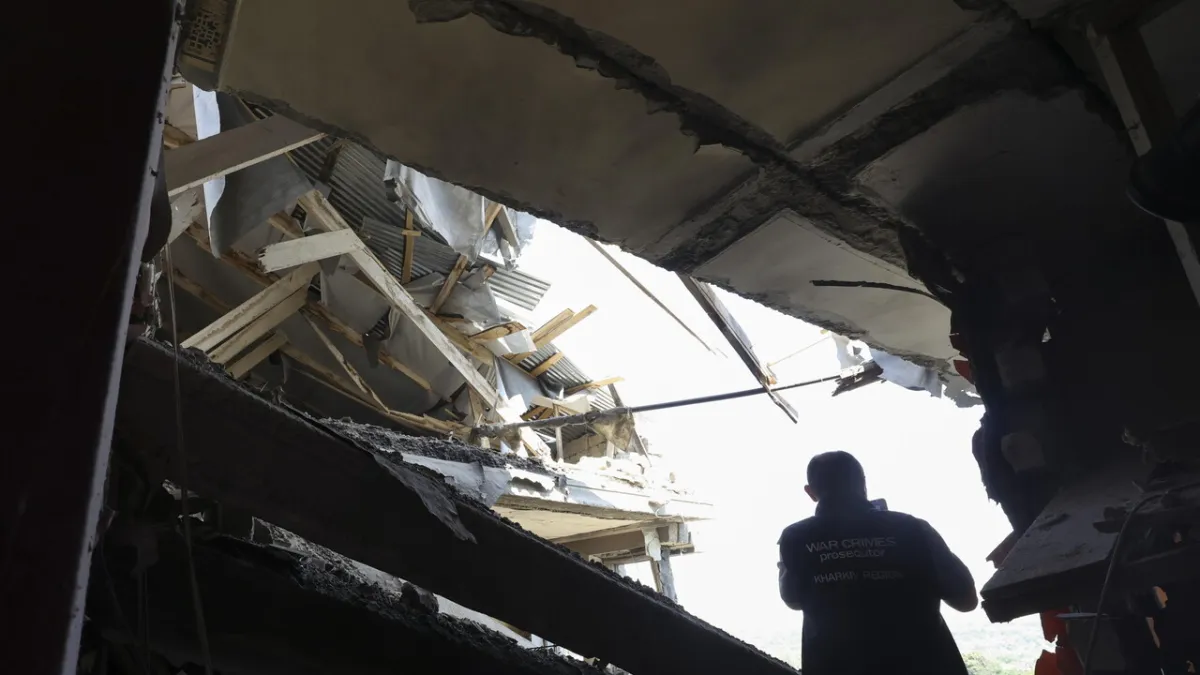
Almost simultaneously with the ship incident, several United States military bases scattered across Iran's neighboring countries were reported to be targeted by attacks. While no specifics on the scale of the attacks or potential casualties have been released, the Pentagon confirmed the incidents and affirmed that its forces are on the highest alert.
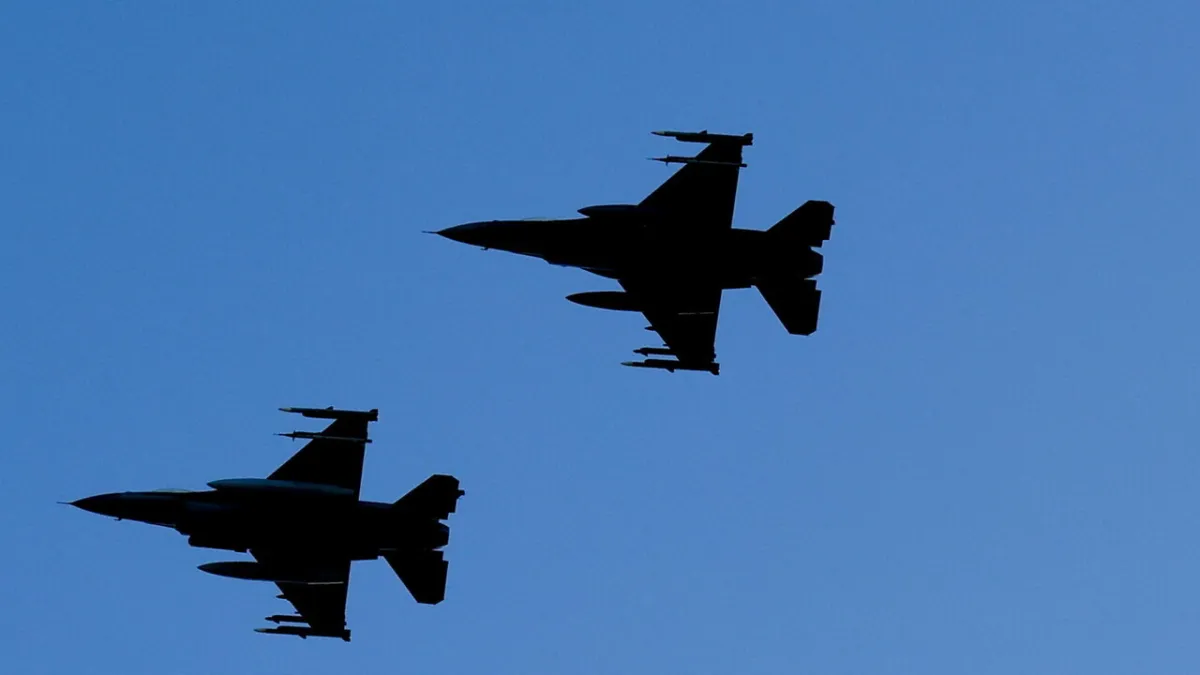
The United States' response was swift. The US military immediately launched retaliatory operations. Intelligence sources indicated that American naval and air units in the region have been ordered to take both defensive and offensive actions against emerging threats, demonstrating Washington's seriousness in responding to Iranian aggression.
This escalation is not without precedent. Relations between Iran and the United States, along with their Gulf allies, have long been marked by geopolitical tensions, economic sanctions, and concerns over Iran's nuclear program. This 2026 event is anticipated to be the culmination of years of escalating friction, consistent with previous analyses on the wave of US-Iran escalation that made the Middle East boil.
Iran's missile attacks, also reported to target "numerous neighboring states," add a new dimension to this conflict. This raises concerns about broader regional involvement and creates political uncertainty throughout the Middle East, including for countries bordering Iran.
The global impact of this crisis is expected to be widespread. Beyond disruptions to oil supplies, the closure of Hormuz and the potential for open warfare could trigger spikes in commodity prices, financial market turbulence, and humanitarian crises. The international community calls for de-escalation, but concrete steps remain unseen.
The Iranian government, through an official statement from the Revolutionary Guard Corps, stated that these actions are a response to "continuous threats" and "foreign interference" in Gulf waters. They asserted Iran's sovereignty and its determination to protect national interests, despite the risk of igniting a larger regional conflict.
The United States, with its significant military presence in the Middle East, now faces a challenging strategic position. Washington must balance protecting its forces, maintaining freedom of navigation, and preventing uncontrolled escalation that could drag the region and the world into a deeper conflict.
Amidst the escalating situation, some parties call for diplomatic channels to de-escalate tensions. However, with both sides' positions hardening and military actions already taken, the prospects for peaceful dialogue appear dim. The world awaits further developments from one of the most serious geopolitical crises of 2026.