 Dodi Irawan
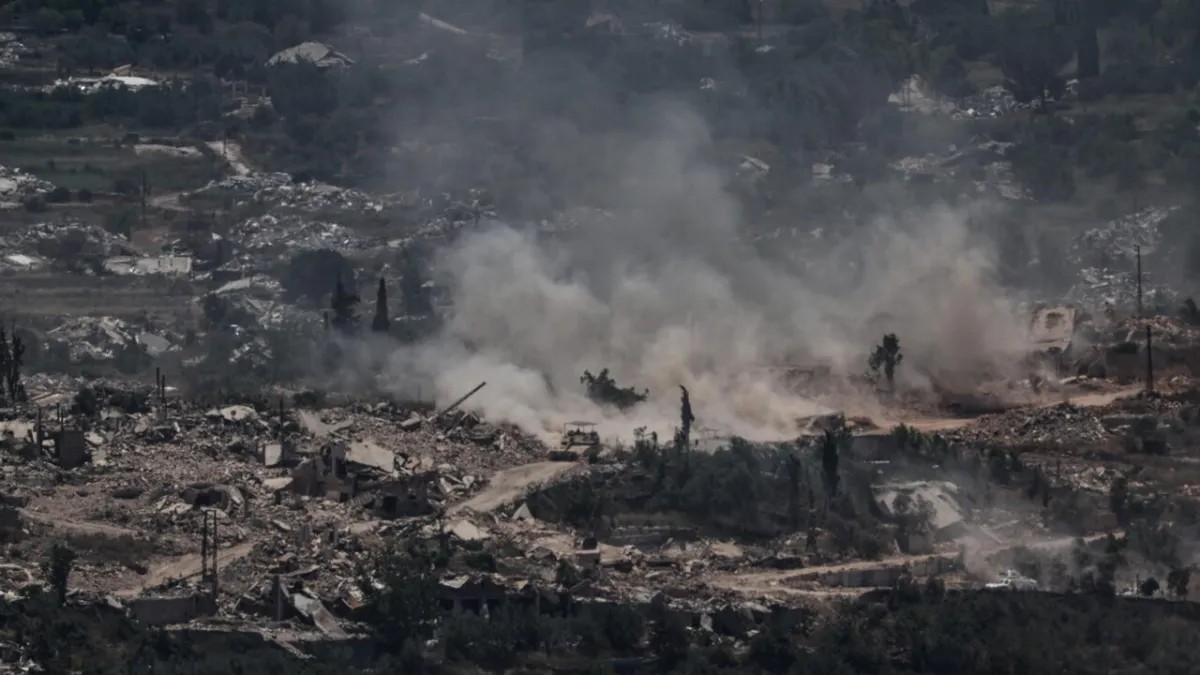
ROME — Italy officially submitted a crucial proposal to the United Nations (UN) in early 2026, suggesting a mechanism for direct control and intensive monitoring of areas in Lebanon. This strategic initiative focuses on surveillance activities along the Blue Line, aiming to create close synergy with UN protocols that will soon be established to maintain precarious regional stability.
This proposal marks Italy's proactive step in global diplomatic efforts to de-escalate tensions in the Middle East. The Italian government believes that a more structured and coordinated approach is essential to prevent conflict escalation that could affect the wider region. The focus on the "Blue Line" — the demarcation separating Lebanon from Israel — highlights the geographical and historical sensitivity of the area.
The Blue Line, established by the UN in 2000, has often been a flashpoint for tensions between various armed factions in Lebanon and Israel. The UN peacekeeping mission, UNIFIL (United Nations Interim Force in Lebanon), has operated there for many years, but regional dynamics demand more innovative and effective solutions. Italy's proposal seeks to complement or strengthen UNIFIL's mandate through a more direct mechanism.
Diplomatic sources in Rome stated that this proposal has been informally discussed with several members of the UN Security Council and has received varied initial responses. Some countries welcome efforts to strengthen peace, while others voice concerns about the implications for Lebanon's sovereignty and the potential for added complexity on the ground.
The Lebanese government, through its representatives at the UN, is expected to provide an official response in the coming weeks. Beirut's full involvement will be key to the successful implementation of the proposal, given the importance of host country support for any international monitoring mission. Constructive dialogue is hoped to find common ground beneficial to all parties.
The Italian Minister of Foreign Affairs, in a brief statement, emphasized his country's commitment to international peace and security. "We believe that Lebanon's stability is the foundation for the stability of the Eastern Mediterranean and the Middle East as a whole. Our proposal is not about intervention, but about close cooperation to achieve lasting peace based on mutually agreed UN protocols," he said.
The implementation of direct control and monitoring of these areas will require a clear legal framework and substantial logistical support. The UN protocols to be established, as mentioned in the proposal, will serve as operational guidelines. This includes defining control zones, reporting mechanisms, and responses to potential violations along the Blue Line.
Historically, Italy has played an active role in UN peacekeeping missions, including significant contributions to UNIFIL. This experience lends additional legitimacy to their initiative. The proposal also coincides with Italy's ongoing internal political dynamics, as seen in a previous news article titled "Italy's Political Storm: Election Law Fails, Ruling Coalition Divided!", demonstrating the country's continued activity on the global stage despite facing domestic challenges.
The international community will closely monitor the developments of this proposal. Its successful implementation would not only de-escalate tensions in Lebanon but could also serve as a model for resolving similar conflicts in other regions facing demarcation and border security challenges. Great hopes are placed on the upcoming dialogue.
NEW YORK — The UN Security Council is expected to discuss this proposal in an upcoming session. Italian representatives are anticipated to present further details regarding the proposed cooperation model and how synergy with UNIFIL can be strengthened to achieve the desired goals of peace.